 Zum Inhalt wechseln

Shipping automotive parts and components safely is one of the biggest challenges faced by automotive manufacturers and suppliers involved in complex global supply chains. Automotive parts vary widely from sensitive electronic modules to heavy metal components, all of which require specialized handling and protection during shipping. Shipping damage even on a small scale can lead to production delays, increased costs and reduced product quality.
Protective packaging materials are critical to minimizing automotive shipping damage. In this blog post, we will explain how using the right packaging protection material can help automotive businesses ship safely and sustainably and we will also discuss the different kinds of packaging materials available for automotive shipping.
Understanding Automotive Shipping Risks
Automotive components are frequently shipped over long distances and through several handling points prior to their final destination. In transit, these parts are subject to risks such as vibration, shock, compression, and environmental exposure to moisture and temperature extremes. Components can move inside cartons, bang into each other, and receive surface damage if internal protection is not provided. Preventing these conditions are typical reasons for shipment rejection and warranty claims. Properly designed protective packaging materials play a role in minimizing these risks by stabilizing components and absorbing external forces.
What Are Protective Packaging Materials?
Packaging protection material is used to protect goods during storage and transportation by restricting movement and minimising exposure to physical stresses. Automotive packaging protection material is placed inside outer cartons to cushion, support and isolate automotive components.
Packaging protection material differs from traditional packaging as it provides safety from the inside. Packaging protection material is used to keep parts secure and safe from impact, vibration and pressure throughout transit. The most effective solution is based on weight, shape and fragility of the automotive part.
How Protective Packaging Materials Reduce Shipping Damage
Absorbing Impact and Shock
Automotive parts are frequently handled during loading, unloading, and transit. Accidental drops or sudden movements can lead to cracks, dents, or misalignment. Protective packaging materials absorb shock energy, reducing the force transferred to the component and preventing physical damage.
Custom-shaped inserts are particularly effective because they hold parts securely, eliminating unnecessary movement inside the package.
Minimizing Vibration During Transit
Continuous vibration is one of the most overlooked causes of shipping damage. Over time, vibration can loosen fasteners, wear down surfaces, or damage sensitive electronic parts.
High-quality packaging protection material helps dampen vibration by keeping components tightly secured. This is especially important for precision automotive parts that require exact tolerances to function correctly.
Preventing Compression and Load Damage
Automotive parts usually get stacked up in warehouses or packed tight inside shipping containers. If there’s nothing holding up the weight, the boxes on the bottom can get crushed. Using the right protective packaging spreads out the load and strengthens spots that take the most pressure. That way, everything keeps its shape and stays in good condition all the way through the supply chain.
Kinds of Packaging Materials Used in Automotive Shipping
There are several kinds of packaging materials commonly used to protect automotive components. Each option offers unique advantages depending on the application.
Geformte Zellstoffverpackungen
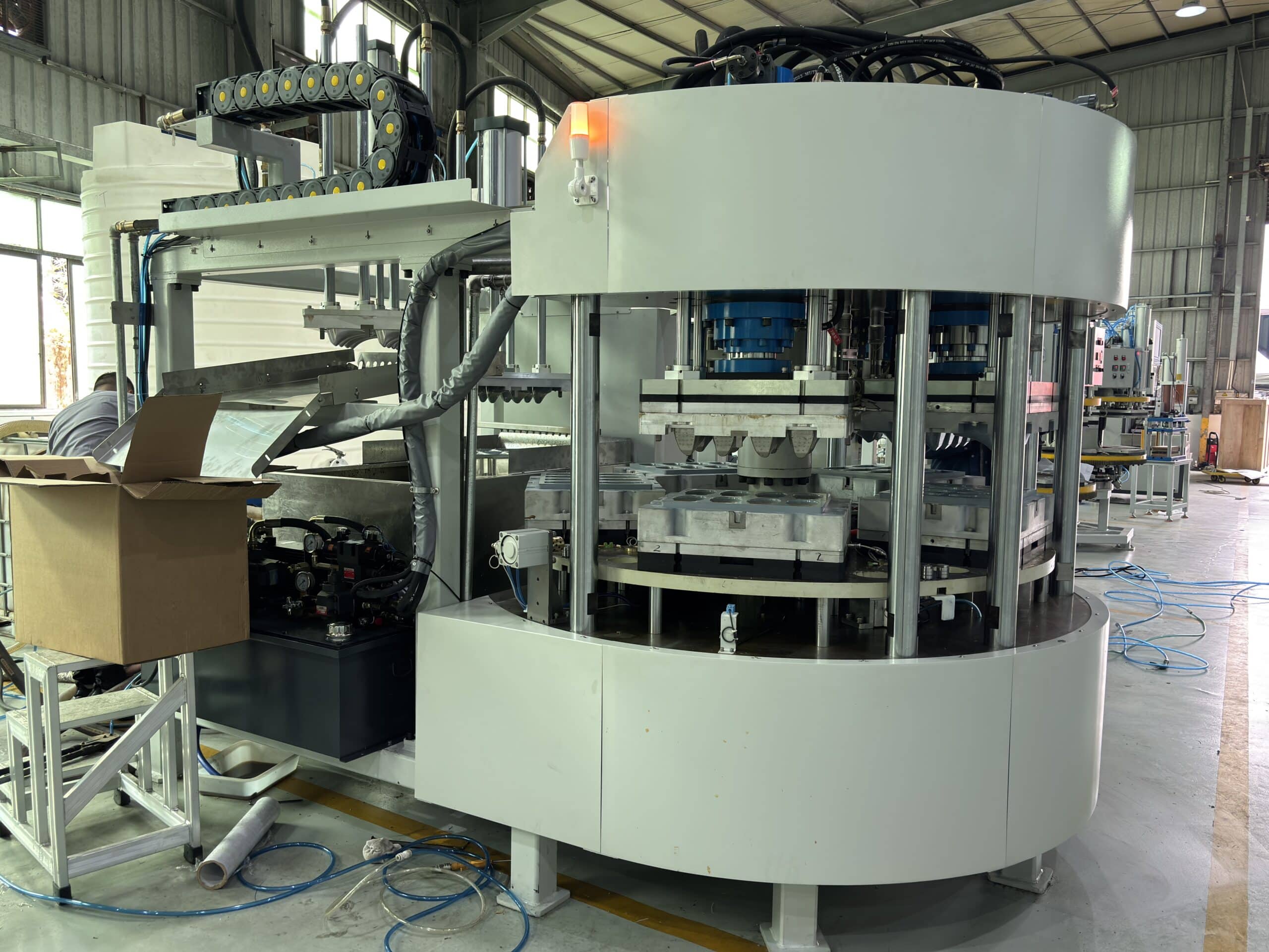
Verpackungen aus geformtem Zellstoff has become increasingly popular in the automotive industry due to its strength, customizability, and sustainability. Made from recycled paper fibers or agricultural waste, molded pulp trays provide excellent cushioning and support.
These solutions are ideal for holding automotive components in fixed positions, reducing movement and impact damage during shipping. They also align well with sustainability goals.
Schaumstoffeinlagen
Foam inserts have traditionally been used for automotive protection because of their shock-absorbing properties. They can be cut to fit complex shapes and offer good cushioning for fragile parts.
However, foam materials are often bulky and less environmentally friendly, leading many manufacturers to explore alternative protective packaging materials that offer similar performance with lower environmental impact.
Paper-Based and Corrugated Solutions
Corrugated and paper-based inserts are commonly used for lighter automotive components. When combined with structured internal supports, they provide reliable protection while remaining cost-effective and recyclable.
These materials are often used alongside molded pulp to enhance overall packaging performance.
Cost Benefits of Effective Packaging Protection
Using the right packaging protection material does more than prevent damage. It also helps automotive companies reduce overall shipping and operational costs by lowering product returns and replacements, insurance and damage claims, production delays caused by damaged parts and labor costs related to rework and inspections.
By investing in reliable protective packaging materials, manufacturers improve supply chain efficiency and protect profit margins.
Custom Packaging for Automotive Components
Automotive components vary widely in size, shape, and fragility. Custom packaging solutions are designed to match these exact requirements, ensuring consistent protection across shipments.
Custom-designed protective packaging materials offer better fit, reduced material waste, and faster packing processes. They also enhance presentation and handling efficiency, especially for high-volume automotive suppliers.
Sustainability in Automotive Packaging
Sustainability is taking center stage in automotive logistics these days. More and more manufacturers are ditching plastic packaging and going for fiber-based options that do a better job protecting parts and the planet. New packaging materials are tough enough to keep things safe during shipping, but they’re also easier to recycle or even compost. So, automotive companies cut down on shipping damage and make their supply chains a whole lot greener at the same time.
Choosing the Right Packaging Solution
When selecting packaging for automotive shipping, it’s important to evaluate factors such as component weight, fragility, shipping distance, stacking requirements, and environmental exposure. Understanding these factors helps determine which kinds of packaging materials will provide the best protection.
A thoughtful packaging strategy ensures components arrive safely while supporting long-term operational and sustainability goals.
Schlussfolgerung
Protective packaging plays a huge part in keeping automotive parts safe during shipping. The right materials cut down on damage from bumps, shakes, and pressure, so parts show up ready to use, not broken or scratched. It’s not just about picking any packaging, though. When you know what’s out there and match materials to each part, you save money, work more efficiently, and even help the planet. That’s where BonitoPak steps in. They’ve got smart, eco-friendly packaging that actually fits the needs of today’s automotive world protecting both your products and the environment.
FAQs
What are protective packaging materials in automotive shipping?
Protective packaging materials are used to secure automotive components during transportation by absorbing shock, reducing vibration, and preventing movement inside shipping cartons.
Why is packaging protection material important for automotive parts?
Automotive parts are often fragile or precision-made. Packaging protection material helps reduce damage, prevent delays, and ensure parts arrive in usable condition.
What kinds of packaging materials are used for automotive components?
Common kinds of packaging materials include molded pulp, foam inserts, and paper-based or corrugated solutions, depending on the component and shipping conditions.
Can sustainable packaging reduce automotive shipping damage?
Yes, fiber-based and molded pulp packaging materials offer strong protection while being recyclable and environmentally friendly, making them suitable for automotive logistics.




 German
  English
  Spanish
  French
  Russian
  Japanese
  Portuguese
  Arabic