Startseite " Dienstleistungen " Nasspressen Geformte Zellstoffschalen " Seite 5
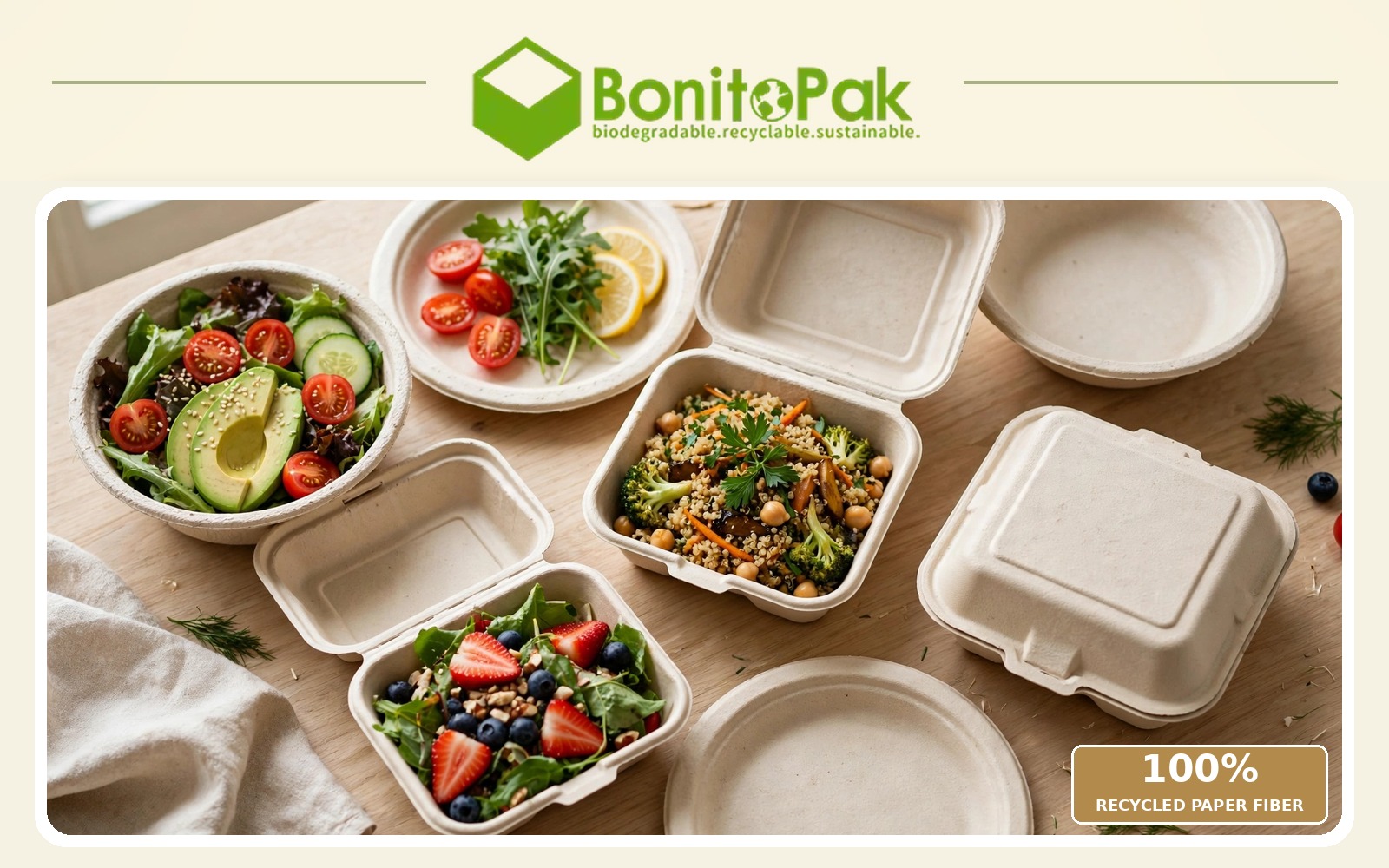
Das Nasspressverfahren ist eine neuartige, moderne Technologie, die bei der Verpackung von Einlagen und Innenschalen weit verbreitet ist. Geformte Zellstoffprodukte aus 100% biologisch abbaubarem und kompostierbarem Material, Zuckerrohrfasern (bekannt als Bagasse), Bambusfasern, Holzzellstoff, recyceltem Papierzellstoff und anderen natürlichen Pflanzenfasern.
Die Produkte verfügen nicht nur über eine sehr glatte Oberfläche und ein Finish, das Ihren Markenwert steigert, sondern auch über eine hervorragende Verpackungsleistung, Schutz, Polsterung, Nesting- und Stapelfähigkeit, was Platz, Montage- und Transportkosten spart.
Material :
Material :
Material :
Material :
Material :
Material :
Material :
Material :
Material :
Material :
Für das Nasspressverfahren werden biologisch abbaubare Materialien wie Bagasse, Bambus und Recyclingpapier verwendet, die eine glatte Oberfläche, Schutz, Polsterung und eine platzsparende, umweltfreundliche Verpackung bieten.
Geformte Zellstoffprodukte ersetzen Kunststoff und Schaumstoff und bieten recycelbare, biologisch abbaubare Optionen. Kundenspezifische Formen, Farben und umweltfreundliche Oberflächen sind erhältlich. Wir bieten erschwingliche, nachhaltige Verpackungen mit hauseigener Prototypenerstellung und Produktion.
Unser Pflanzenfaser-Geschirr aus Bagasse, Stroh und Bambus ist biologisch abbaubar, kompostierbar, wasserfest, ölbeständig und mikrowellengeeignet. Zertifiziert, recycelbar und stapelbar für umweltfreundlichen Gebrauch.
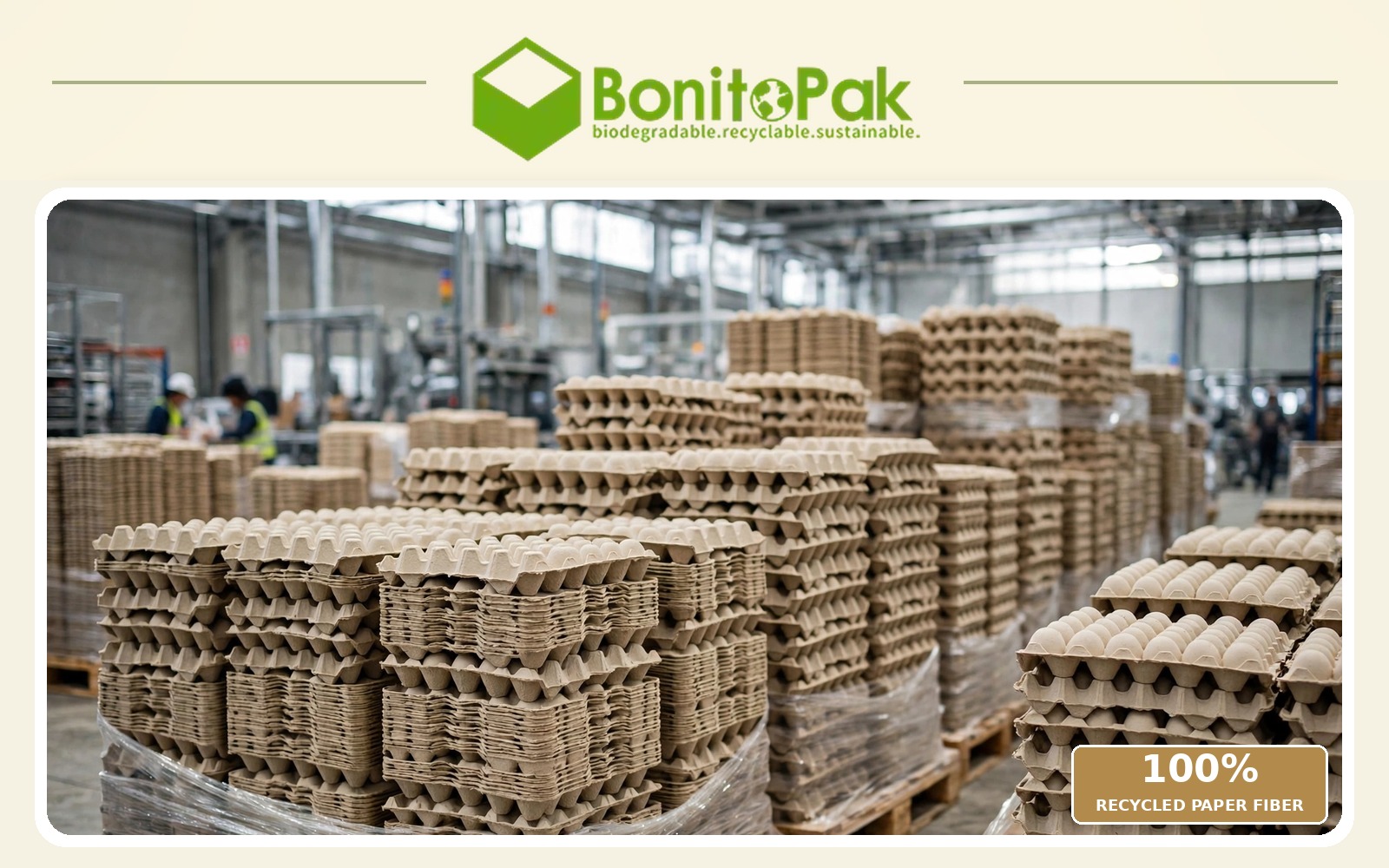
Trockengepresste Zellstoffschalen aus 100% recyceltem Material sind eine umweltfreundliche und kostengünstige Alternative zu Kunststoff. Sie bieten Polsterung, Temperaturbeständigkeit und Stapelbarkeit und sparen bis zu 20% Platz.
Bonitopak bietet geformten Zellstoff in sechs Farben an, darunter Weiß, Natur und Schwarz, mit der Farbgenauigkeit 95%. Umweltfreundliche Methoden gewährleisten eine sichere Bleiche. Die Farben Natur und Weiß eignen sich am besten für Lebensmittel, die anderen für Schalenverpackungen.
Traditional plastic and foam boxes can feel dated—and they add waste. Wet‑press molded fiber turns recycled paper into dense, rigid protection with refined edges and a premium hand feel. We start with your CAD or sample and engineer the clamshell to your exact size, tuning wall thickness, corner radii, and closure tolerance so pieces sit snug and safe in transit. Prefer a softer interior? Add a simple paperboard liner or card insert. Want a distinct brand moment? Emboss or deboss your logo directly into the pulp for an ink‑free, scratch‑proof mark, and color‑tint the fiber to match seasonal collections.
Operationally, molded fiber wins. Boxes nest and stack efficiently to maximize pallet density and minimize warehouse space. They’re lighter than plastic alternatives, helping reduce freight costs and carbon impact, and they arrive production‑ready with consistent dimensions that keep your packing line moving. After the unboxing, customers can recycle the box where molded fiber is accepted—or it will biodegrade in suitable conditions—giving you an authentic sustainability story that resonates with today’s shoppers. From jewelry and artisan accessories to event favors and subscription gifts, this pulp jewelry box delivers premium presentation, reliable protection, and a cleaner footprint.
FAQs:
Q1: Is the pulp jewelry box recyclable and biodegradable?
A: Yes. It’s made from molded fiber (recycled paper/bagasse) that’s widely recyclable where accepted and naturally biodegradable.
Q2: Can you customize the size and shape?
A: Absolutely. We build private molds to your dimensions for rings, earrings, pendants, or multi‑piece sets.
F3: Welche Branding-Optionen gibt es?
A: Embossed/debossed logos come standard. We also offer custom colors and optional sleeves or belly‑bands.
Q4: Do you provide liners or inserts?
A: Yes—paperboard liners, pads, and card inserts are available to suit your product and presentation.
Frage 5: Wie hoch sind die Mindestbestellmenge und die übliche Lieferzeit?
A: MOQ is 5,000 units. Sampling usually takes 7–10 days after approval; mass production typically requires 15–30 business days.

Traditional plastic and foam boxes can feel dated—and they add waste. Wet‑press molded fiber turns recycled paper into dense, rigid protection with refined edges and a premium hand feel. We start with your CAD or sample and engineer the clamshell to your exact size, tuning wall thickness, corner radii, and closure tolerance so pieces sit snug and safe in transit. Prefer a softer interior? Add a simple paperboard liner or card insert. Want a distinct brand moment? Emboss or deboss your logo directly into the pulp for an ink‑free, scratch‑proof mark, and color‑tint the fiber to match seasonal collections.
Operationally, molded fiber wins. Boxes nest and stack efficiently to maximize pallet density and minimize warehouse space. They’re lighter than plastic alternatives, helping reduce freight costs and carbon impact, and they arrive production‑ready with consistent dimensions that keep your packing line moving. After the unboxing, customers can recycle the box where molded fiber is accepted—or it will biodegrade in suitable conditions—giving you an authentic sustainability story that resonates with today’s shoppers. From jewelry and artisan accessories to event favors and subscription gifts, this pulp jewelry box delivers premium presentation, reliable protection, and a cleaner footprint.
FAQs:
Q1: Is the pulp jewelry box recyclable and biodegradable?
A: Yes. It’s made from molded fiber (recycled paper/bagasse) that’s widely recyclable where accepted and naturally biodegradable.
Q2: Can you customize the size and shape?
A: Absolutely. We build private molds to your dimensions for rings, earrings, pendants, or multi‑piece sets.
F3: Welche Branding-Optionen gibt es?
A: Embossed/debossed logos come standard. We also offer custom colors and optional sleeves or belly‑bands.
Q4: Do you provide liners or inserts?
A: Yes—paperboard liners, pads, and card inserts are available to suit your product and presentation.
Frage 5: Wie hoch sind die Mindestbestellmenge und die übliche Lieferzeit?
A: MOQ is 5,000 units. Sampling usually takes 7–10 days after approval; mass production typically requires 15–30 business days.
Wir reagieren innerhalb von 24 Stunden und bieten schnelle, klare Kommunikation, maßgeschneiderte Lösungen und effizienten Service, um Zeit und Kosten zu sparen.
Unsere hauseigene Konstruktion, Entwicklung und Fertigung gewährleistet eine schnelle Werkzeugherstellung, wobei Muster innerhalb von 7 Tagen und Produktionsformen innerhalb von 8 Tagen fertiggestellt werden.
Unsere erfahrenen F&E-Ingenieure zeichnen sich durch Design, Prototyping und Werkzeugbau aus und bieten komplette Verpackungslösungen mit Blister-, Blechdosen- und bedruckten Schachteln an.
Geschulte Mitarbeiter führen 100%-Inspektionen, Stichproben und Qualitätskontrollen durch, um hohe Standards zu gewährleisten, Ausschuss zu reduzieren und Kosten zu sparen.
Wir sorgen für eine vernünftige Auftragsplanung und stimmen uns mit unseren Kunden ab, um Probleme umgehend zu lösen und die besten Lösungen zu gewährleisten.
Unser erfahrenes After-Sales-Team sorgt für eine reibungslose Kommunikation und löst Probleme mit Ersatz, Versand und Lieferung, mit dem Ziel, Reklamationen zu vermeiden.
By Leo Chan, Senior Packaging Consultant · November 14, 2026 Molded fiber food containers are
By Leo Chan, Senior Packaging Consultant · November 14, 2026 Egg cartons are easy to
By Leo Chan, Senior Packaging Consultant · November 14, 2026 The molded pulp packaging market