 Zum Inhalt wechseln

Introduction
Are you struggling with inefficient drying processes in your pulp production line? Many manufacturers face delays and quality issues due to outdated or generic machinery that can’t meet specific production needs. But what if you could tailor a machine to your exact requirements, increasing efficiency, reducing downtime, and improving the overall quality of your pulp board?
In this article, we’ll show you how a custom BPM (Blower-Pulse Modulation) hot air dry pulp board machine can address these challenges and significantly improve your production process. We’ll dive into the technology behind these machines, why customization matters, how to assess whether it’s the right option for you, and how to get the best results from your customized system.
With over 20 years of experience in pulp and paper production optimization, we’ve helped many manufacturers like you transform their operations with tailored machinery solutions. Let’s explore how a customized BPM system can revolutionize your production line.
Section 1: Understanding Custom BPM Hot Air Dry Pulp Board Machine
What is a BPM Hot Air Dry Pulp Board Machine?
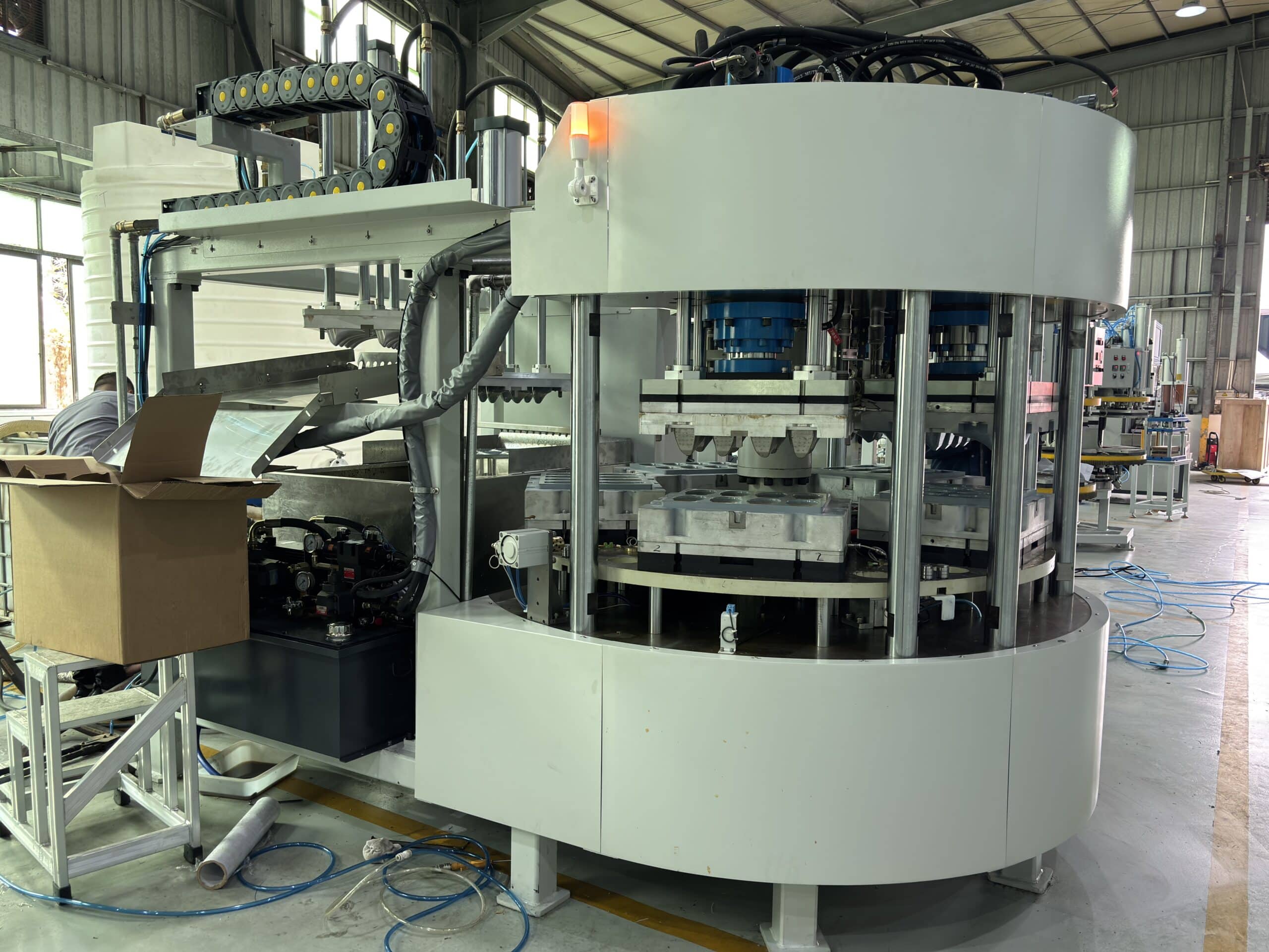
A BPM hot air dry pulp board machine uses Blower-Pulse Modulation (BPM) technology to efficiently dry pulp sheets. The system uses a controlled pulse of hot air to remove moisture from the pulp, ensuring that it is dried evenly and quickly.
This machine is a core part of the pulp board production process, where moisture control is critical to achieve the right thickness and strength of the final board. BPM technology improves the drying process compared to traditional methods, offering several key advantages:
- Energie-Effizienz: The machine uses targeted bursts of hot air to reduce energy consumption.
- Faster Drying Times: BPM allows for quicker moisture removal, speeding up production.
- Precision: Custom settings enable adjustments based on the thickness and moisture content of the pulp.
Why is Customization Important?
Standard pulp board drying machines can be effective, but they don’t always meet the specific needs of your production process. Whether it’s drying pulp faster, reducing energy consumption, or achieving a certain product quality, customizing your machine ensures that it works in harmony with your unique production requirements. Custom features might include:
- Adjustable drying temperatures for different pulp types.
- Increased airflow or targeted air jets for better moisture control.
- Scalable designs to accommodate different production volumes.
Section 2: Why Customization Matters in Pulp Board Production
Overcoming the Limitations of Standard Machines
Standard hot air drying systems may not be able to handle the unique needs of your business. For example, they may not offer sufficient moisture control, leading to inconsistent board quality or longer drying times. These issues can result in production delays, higher energy costs, and poor product consistency.
By opting for a customized BPM hot air dry pulp board machine, you can:
- Improve Efficiency: Tailored settings optimize drying time and energy usage.
- Enhance Product Quality: A custom system ensures even drying, resulting in consistent board thickness and strength.
- Minimize Downtime: Machines built to your specifications reduce the likelihood of maintenance issues and system failures.
Meeting Specific Needs
Custom machines are designed to address the specific requirements of your production line. Whether you’re focusing on energy efficiency, high-speed production, or maintaining strict product quality standards, customization can provide the perfect solution. A custom machine can be designed for:
- Different types of pulp (e.g., wood, recycled paper).
- Varying production volumes (small-scale vs. large-scale production).
- Specific environmental conditions (humidity, temperature).
Section 3: How to Assess if Customization is Right for Your Production Line
Key Factors to Consider
Before deciding whether to invest in a custom BPM hot air dry pulp board machine, you should evaluate several factors:
- Production Volume: If your production line requires high output, a custom solution may be necessary to maintain efficiency and quality at scale.
- Energy Efficiency Goals: Customized machines can help you meet sustainability and energy savings targets. Tailored airflow, temperature, and humidity control can significantly reduce energy consumption.
- Product Quality: If your pulp board production requires consistent quality (e.g., uniform thickness and moisture content), customization is often the key to achieving this.
Calculating the ROI of Customization
Customization involves a higher initial investment, but the long-term benefits often outweigh the costs. Here are a few ways to assess the ROI:
- Energy Savings: A custom machine designed for efficiency can drastically reduce operational energy costs.
- Faster Production Times: By reducing drying times, a customized BPM system allows for faster turnaround, increasing overall output.
- Reduced Maintenance Costs: Machines tailored to your specific needs are less likely to break down, reducing downtime and maintenance costs.
Case Study: A Success Story
One manufacturer we worked with had been using a standard drying machine but struggled with inefficiency and inconsistent product quality. After switching to a custom BPM hot air dry pulp board machine, they reduced drying time by 30%, improved product consistency, and saved 20% on energy costs.
Section 4: Step-by-Step Guide to Customizing Your BPM Hot Air Dry Pulp Board Machine
The Customization Process
Customizing a BPM hot air dry pulp board machine involves a few key steps:
- Consultation: Begin by discussing your specific production requirements with a machinery manufacturer or consultant.
- Design and Specifications: Work with the manufacturer to design a system that meets your exact needs, from airflow settings to energy efficiency features.
- Manufacturing and Testing: Once the design is finalized, the machine is built and undergoes thorough testing to ensure it performs as expected.
- Installation and Integration: The customized system is installed on your production line and integrated into your existing machinery setup.
- Ongoing Support and Maintenance: Ensure that your team is trained on the new system and set up a preventive maintenance schedule.
Section 5: Troubleshooting Common Issues with Custom BPM Machines
Common Concerns and Solutions
While customized BPM hot air dry pulp board machines are designed to meet specific needs, they may require regular maintenance and occasional troubleshooting. Here are some common issues:
- Airflow Problems: If the airflow is too high or low, it can lead to uneven drying. Adjusting the pulse settings can resolve this.
- Temperature Fluctuations: If the machine’s temperature control system malfunctions, it may cause drying inconsistencies. Routine checks of the heating elements can prevent this issue.
- System Downtime: Like any industrial machine, a custom BPM system may require downtime for repairs. However, custom designs typically come with better reliability and fewer breakdowns.
Section 6: Advanced Strategies for Optimizing Custom BPM Hot Air Dry Systems
Energy Efficiency Optimization
To further reduce energy consumption, consider:
- Integrating heat recovery systems to reuse energy from exhaust air.
- Verwendung von automation and sensors to monitor moisture levels and adjust drying conditions in real time.
Leveraging Automation
Advanced BPM systems can incorporate automation to:
- Monitor drying progress using sensors.
- Adjust drying parameters automatically for different pulp batches.
- Provide detailed analytics for better decision-making.
FAQ-Abschnitt
- How long does it take to customize a BPM hot air dry pulp board machine?
Customization typically takes 2-3 months, depending on the complexity and your production needs. - What are the cost implications of customizing a BPM machine?
While custom machines have a higher upfront cost, they offer significant savings in energy and maintenance costs over time. - How does a custom machine compare in terms of efficiency vs. a standard one?
A custom BPM system can improve drying efficiency by 20-30%, reduce energy consumption, and provide more consistent product quality compared to a standard machine.
Schlussfolgerung
Customizing your BPM hot air dry pulp board machine is a great way to meet your unique production needs and optimize your entire production process. From improving energy efficiency to ensuring consistent product quality, a custom solution offers long-term value that goes beyond what standard machines can provide.
Are you ready to optimize your production line? Contact us today for a consultation and let’s discuss how a custom BPM hot air dry pulp board machine can transform your process!




 German
  English
  Spanish
  French
  Russian
  Japanese
  Portuguese
  Arabic