Startseite " Dienstleistungen " Seite 7
Material :
Material :
Material :
Material :
Material :
Material :
Material :
Material :
Material :
Material :
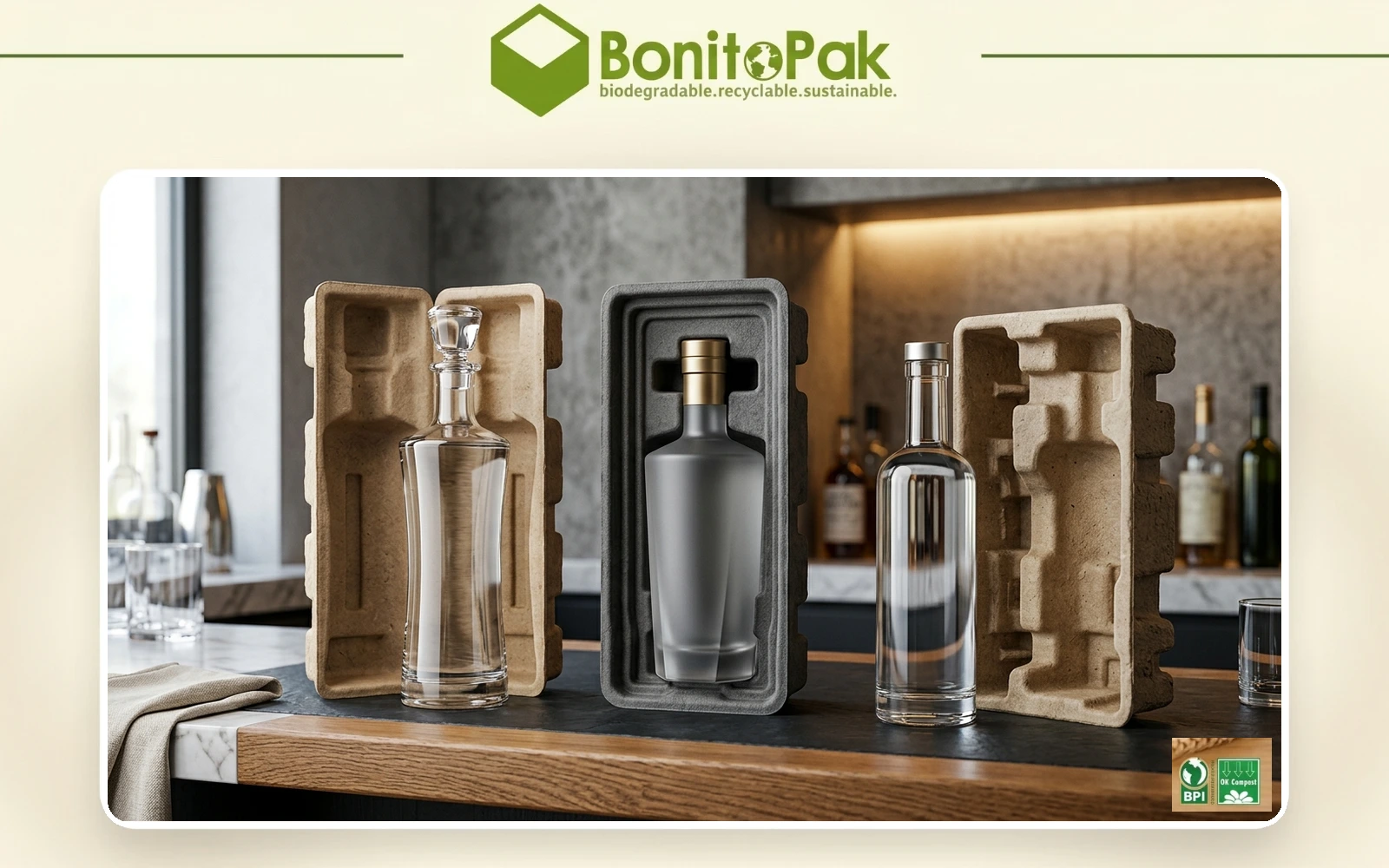
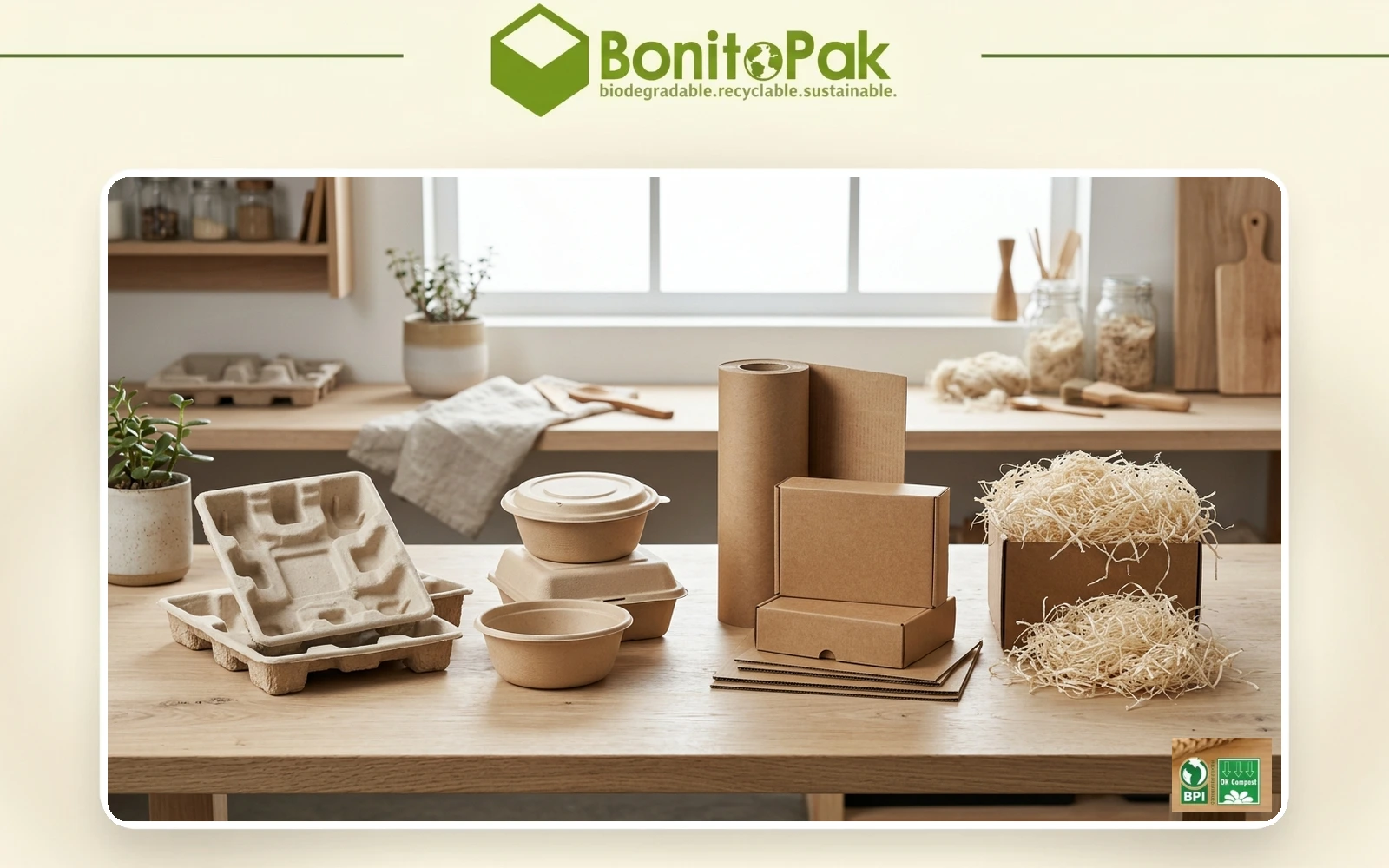
Für das Nasspressverfahren werden biologisch abbaubare Materialien wie Bagasse, Bambus und Recyclingpapier verwendet, die eine glatte Oberfläche, Schutz, Polsterung und eine platzsparende, umweltfreundliche Verpackung bieten.
Geformte Zellstoffprodukte ersetzen Kunststoff und Schaumstoff und bieten recycelbare, biologisch abbaubare Optionen. Kundenspezifische Formen, Farben und umweltfreundliche Oberflächen sind erhältlich. Wir bieten erschwingliche, nachhaltige Verpackungen mit hauseigener Prototypenerstellung und Produktion.
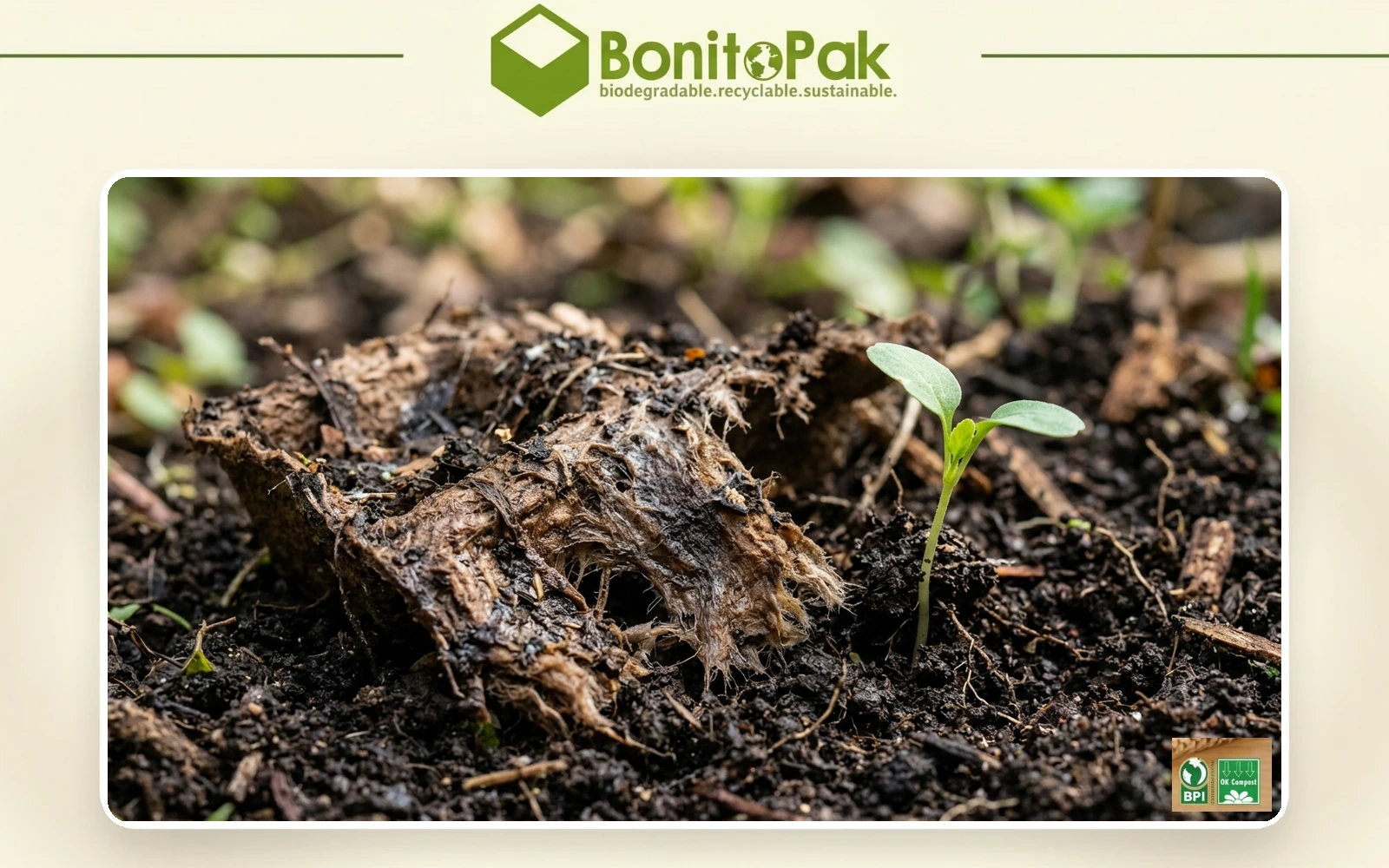
Unser Pflanzenfaser-Geschirr aus Bagasse, Stroh und Bambus ist biologisch abbaubar, kompostierbar, wasserfest, ölbeständig und mikrowellengeeignet. Zertifiziert, recycelbar und stapelbar für umweltfreundlichen Gebrauch.
Trockengepresste Zellstoffschalen aus 100% recyceltem Material sind eine umweltfreundliche und kostengünstige Alternative zu Kunststoff. Sie bieten Polsterung, Temperaturbeständigkeit und Stapelbarkeit und sparen bis zu 20% Platz.
Bonitopak bietet geformten Zellstoff in sechs Farben an, darunter Weiß, Natur und Schwarz, mit der Farbgenauigkeit 95%. Umweltfreundliche Methoden gewährleisten eine sichere Bleiche. Die Farben Natur und Weiß eignen sich am besten für Lebensmittel, die anderen für Schalenverpackungen.
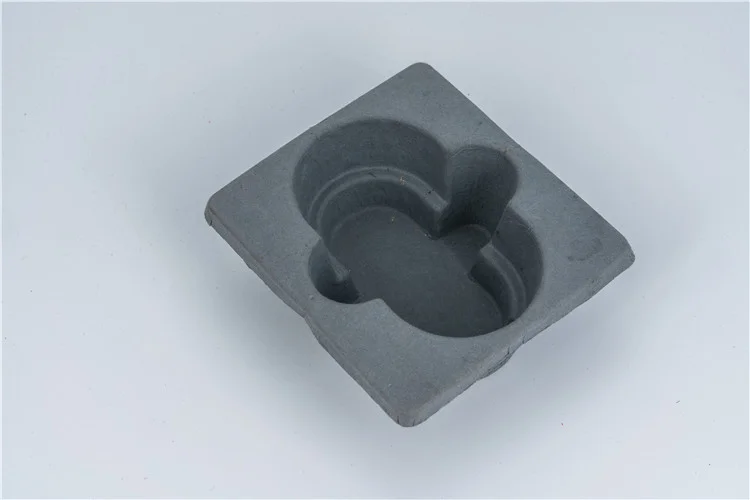
Packaging inserts should secure products, elevate presentation, and streamline operations. We form cellulose‑rich recycled paper into dense, dimensionally stable trays using wet‑press molding. That process creates crisp edges and consistent tolerances that hold their shape under load, reduce micro‑movement, and keep labels and finishes pristine in transit. The result is a molded pulp insert that looks premium—matte, clean, and camera‑ready—while working hard behind the scenes.
Customization is your edge. Share dimensions or CAD, and we’ll sculpt cavities for jars, vials, compacts, droppers, bottles—and for electronics, cable channels, power‑brick wells, and tip organizers. Add finger‑pulls to speed kitting and improve user access, and include label flats for cards or leaflets to keep everything neat. Keep branding refined and eco‑authentic with embossed/debossed logos and brand‑matched colors—no inks or laminates required.
Operations benefit, too. Trays ship nested to lower pallet height and warehouse footprint, and the repeatable wet‑pressed fit accelerates pack‑outs across locations. End‑of‑life is straightforward: the trays are fiber‑based, plastic‑free, widely recyclable where paper packaging is accepted, and designed to be biodegradable under proper conditions. For oily formulas or humid routes, we can suggest liners or moisture‑management options. Note: standard molded pulp is not ESD‑rated; for static‑sensitive components, pair with anti‑static bags. With OEM/ODM support and an MOQ of 5,000 pcs, you’ll prototype quickly, scale confidently, and deliver an insert that protects products and your brand promise.
FAQs:
Q1: Can you customize cavities for my exact products?
A: Yes. We tailor cavity size, depth, spacing, and features (finger‑pulls, label flats, cable channels) to your SKUs. Share measurements or CAD.
F2: Ist das Tablett biologisch abbaubar und recycelbar?
A: It’s fiber‑based, plastic‑free, and 100% biodegradable. Recycling is widely available where paper packaging is accepted—check local guidelines.
Q3: Will it handle oils, serums, or humidity?
A: Standard pulp works for typical use. For oily formulas or humid routes, ask about liners or moisture‑resistant options.
Q4: Is this suitable for electronics?
A: Yes, as an internal support. Standard pulp isn’t ESD‑rated—use anti‑static bags for static‑sensitive parts.
Q5: Was sind die MOQ und Vorlaufzeiten? Kann ich Proben erhalten?
A: MOQ ist 5.000 Stück. Muster können arrangiert werden; die Vorlaufzeit hängt von den Werkzeugen und der Bestellmenge ab. Fordern Sie ein schnelles Angebot für Fristen und Preise an.

Packaging inserts should secure products, elevate presentation, and streamline operations. We form cellulose‑rich recycled paper into dense, dimensionally stable trays using wet‑press molding. That process creates crisp edges and consistent tolerances that hold their shape under load, reduce micro‑movement, and keep labels and finishes pristine in transit. The result is a molded pulp insert that looks premium—matte, clean, and camera‑ready—while working hard behind the scenes.
Customization is your edge. Share dimensions or CAD, and we’ll sculpt cavities for jars, vials, compacts, droppers, bottles—and for electronics, cable channels, power‑brick wells, and tip organizers. Add finger‑pulls to speed kitting and improve user access, and include label flats for cards or leaflets to keep everything neat. Keep branding refined and eco‑authentic with embossed/debossed logos and brand‑matched colors—no inks or laminates required.
Operations benefit, too. Trays ship nested to lower pallet height and warehouse footprint, and the repeatable wet‑pressed fit accelerates pack‑outs across locations. End‑of‑life is straightforward: the trays are fiber‑based, plastic‑free, widely recyclable where paper packaging is accepted, and designed to be biodegradable under proper conditions. For oily formulas or humid routes, we can suggest liners or moisture‑management options. Note: standard molded pulp is not ESD‑rated; for static‑sensitive components, pair with anti‑static bags. With OEM/ODM support and an MOQ of 5,000 pcs, you’ll prototype quickly, scale confidently, and deliver an insert that protects products and your brand promise.
FAQs:
Q1: Can you customize cavities for my exact products?
A: Yes. We tailor cavity size, depth, spacing, and features (finger‑pulls, label flats, cable channels) to your SKUs. Share measurements or CAD.
F2: Ist das Tablett biologisch abbaubar und recycelbar?
A: It’s fiber‑based, plastic‑free, and 100% biodegradable. Recycling is widely available where paper packaging is accepted—check local guidelines.
Q3: Will it handle oils, serums, or humidity?
A: Standard pulp works for typical use. For oily formulas or humid routes, ask about liners or moisture‑resistant options.
Q4: Is this suitable for electronics?
A: Yes, as an internal support. Standard pulp isn’t ESD‑rated—use anti‑static bags for static‑sensitive parts.
Q5: Was sind die MOQ und Vorlaufzeiten? Kann ich Proben erhalten?
A: MOQ ist 5.000 Stück. Muster können arrangiert werden; die Vorlaufzeit hängt von den Werkzeugen und der Bestellmenge ab. Fordern Sie ein schnelles Angebot für Fristen und Preise an.
Wir reagieren innerhalb von 24 Stunden und bieten schnelle, klare Kommunikation, maßgeschneiderte Lösungen und effizienten Service, um Zeit und Kosten zu sparen.
Unsere hauseigene Konstruktion, Entwicklung und Fertigung gewährleistet eine schnelle Werkzeugherstellung, wobei Muster innerhalb von 7 Tagen und Produktionsformen innerhalb von 8 Tagen fertiggestellt werden.
Unsere erfahrenen F&E-Ingenieure zeichnen sich durch Design, Prototyping und Werkzeugbau aus und bieten komplette Verpackungslösungen mit Blister-, Blechdosen- und bedruckten Schachteln an.
Geschulte Mitarbeiter führen 100%-Inspektionen, Stichproben und Qualitätskontrollen durch, um hohe Standards zu gewährleisten, Ausschuss zu reduzieren und Kosten zu sparen.
Wir sorgen für eine vernünftige Auftragsplanung und stimmen uns mit unseren Kunden ab, um Probleme umgehend zu lösen und die besten Lösungen zu gewährleisten.
Unser erfahrenes After-Sales-Team sorgt für eine reibungslose Kommunikation und löst Probleme mit Ersatz, Versand und Lieferung, mit dem Ziel, Reklamationen zu vermeiden.
Von Leo Chan | Autor, BonitoPak | Über 20 Jahre Erfahrung im Bereich Verpackungen aus Formzellstoff Wodka ist
Von Leo Chan | Autor, BonitoPak | Über 20 Jahre Erfahrung im Bereich Formzellstoffverpackungen Fast jede
Von Leo Chan | Autor, BonitoPak | Über 20 Jahre Erfahrung im Bereich Verpackungen aus Formzellstoff Hier suchen