 Zum Inhalt wechseln
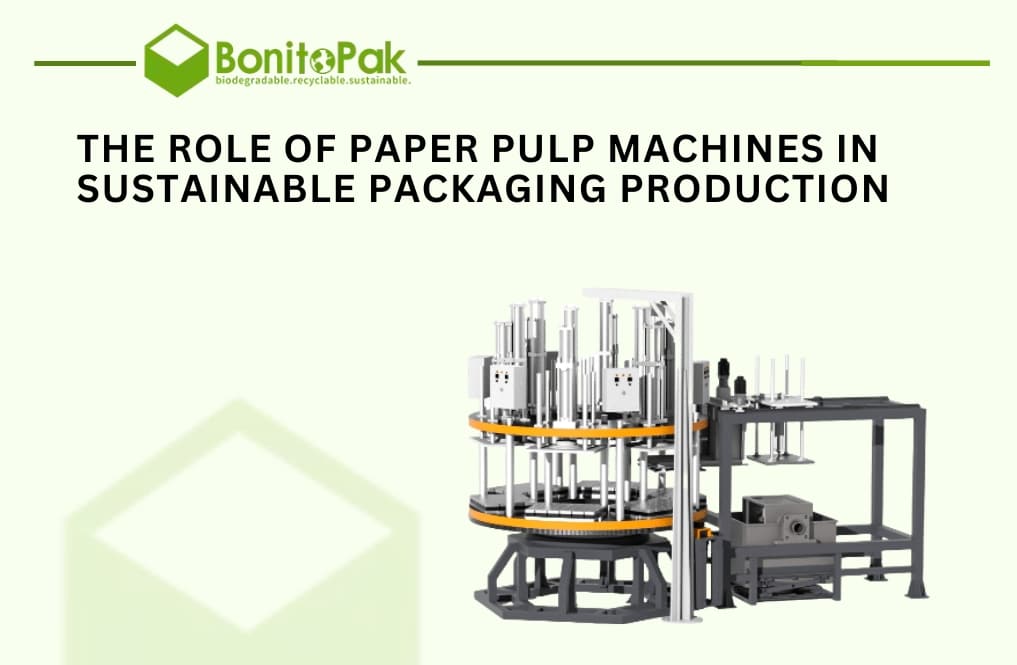
Pulp molding equipment transforms sustainable packaging manufacturing across various sectors. These machines convert waste paper and bagasse into robust products using advanced molding technology.
According to the EPA, Americans produce over 35 million tons of plastic waste yearly¹. Consequently, companies pursue eco-friendly alternatives through Zellstoff-Formenbau Technologie.
Exploring Various Types of Pulp Molding Machines
Nasspressen-Systeme
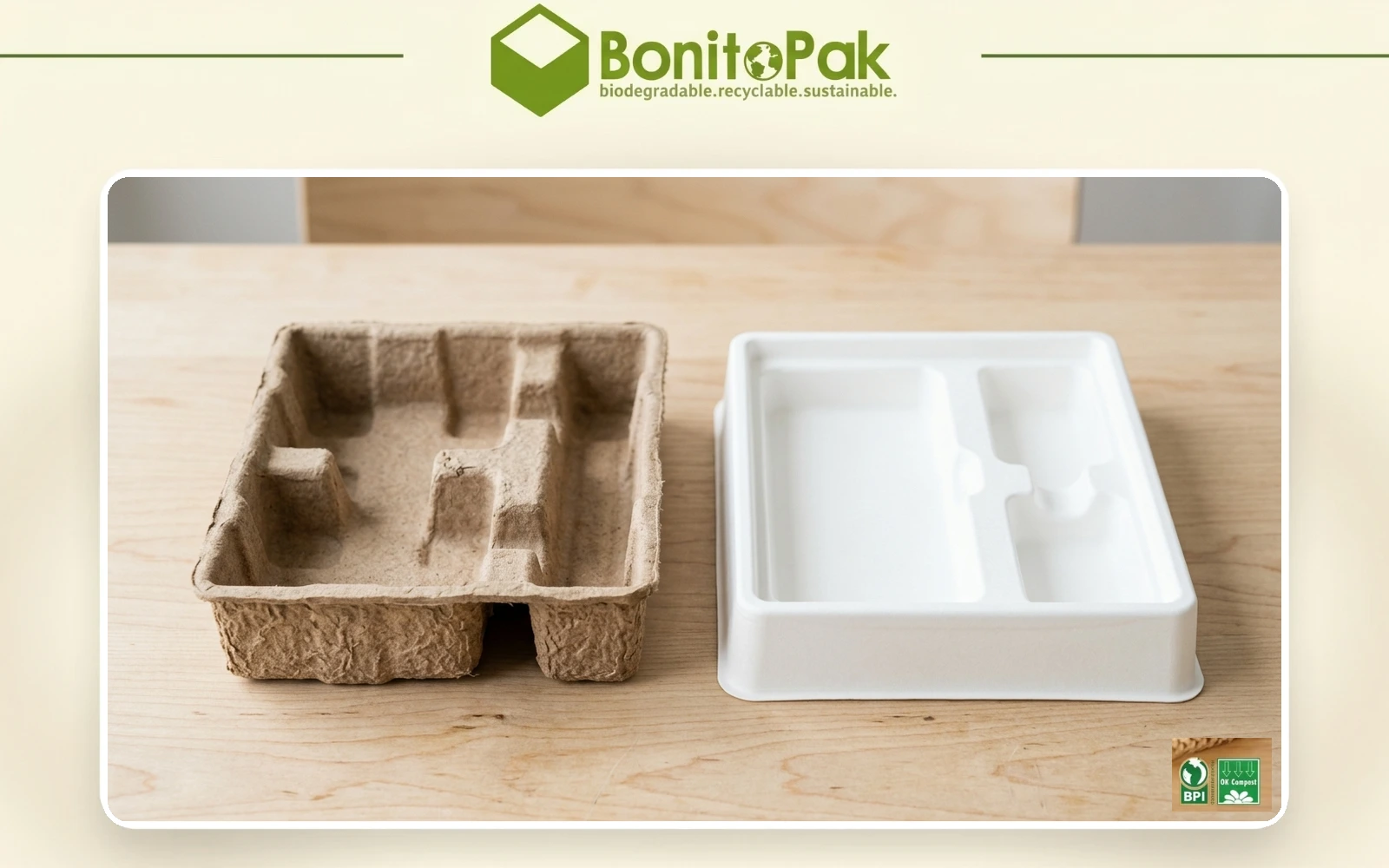
Wet pressing produces smooth-surfaced items meeting ASTM D6868 biodegradability standards⁴. Pulp molding tableware machines utilize higher pressure levels during production. Additionally, they manufacture food containers requiring premium appearance.
Paper pulp equipment processes sugarcane bagasse pulp effectively through controlled methods. The molded pulp process involves material preparation and accurate forming through vacuum systems.
Systeme zum Trockenpressen
Dry pressing emphasizes cost-effectiveness for industrial uses meeting ISO 12625 standards⁵. These machines process waste paper efficiently through automated production equipment. Moreover, egg tray machines produce protective packaging and egg carton products.
Material thickness achieves 2.5-3.0mm consistently according to TAPPI testing protocols⁶.
| Maschinentyp | Oberflächenbehandlung | Produktionsgeschwindigkeit | Primäre Anwendungen |
|---|---|---|---|
| Nasses Pressen | Glatte Premium | 1.000-2.000 Stück/Stunde | Zellstoffgeschirr, Lebensmittelbehälter |
| Trockenes Pressen | Texturiert | 1.500-3.000 Stück/Stunde | Eierschalen, Industrieverpackungen |
How Pulp Molding Machines Transform Raw Materials
Vollständiger Herstellungsprozess
These machines follow systematic procedures validated by NIST manufacturing guidelines⁷. Initially, pulping systems break down waste paper and bagasse materials according to TAPPI T205 standards. Subsequently, forming machines shape products precisely using vacuum technology.
The molded pulp process demands precise timing and temperature monitoring per ISO 9001 quality standards.
Optionen zur Materialauswahl
Different materials yield varying results in pulp molding equipment per USDA BioPreferred Program guidelines⁸. Bagasse pulp produces food-safe products meeting FDA Title 21 CFR 176.170 standards. Furthermore, recycled paper performs excellently for industrial applications.
Die Forschung bestätigt, dass Zuckerrohr-Bagasse-Zellstoff eine 30-40% höhere Zugfestigkeit als herkömmlicher Holzzellstoff für Verpackungsanwendungen bietet.
Which Industries Benefit from Pulp Molding Equipment
Anwendungen für die Gastronomie
Food packaging requires strict safety compliance under FDA 21 CFR Part 176 regulations¹⁰. Pulp molding tableware machines produce approved containers withstanding extreme temperatures safely. These biodegradable products provide microwave compatibility for foodservice operations.
Beliebte Anwendungen sind Papiergeschirr, Kaffeetassendeckel und Behälter zum Mitnehmen gemäß der EU-Richtlinie über Einwegkunststoffe¹¹.
Elektronik-Schutzsysteme
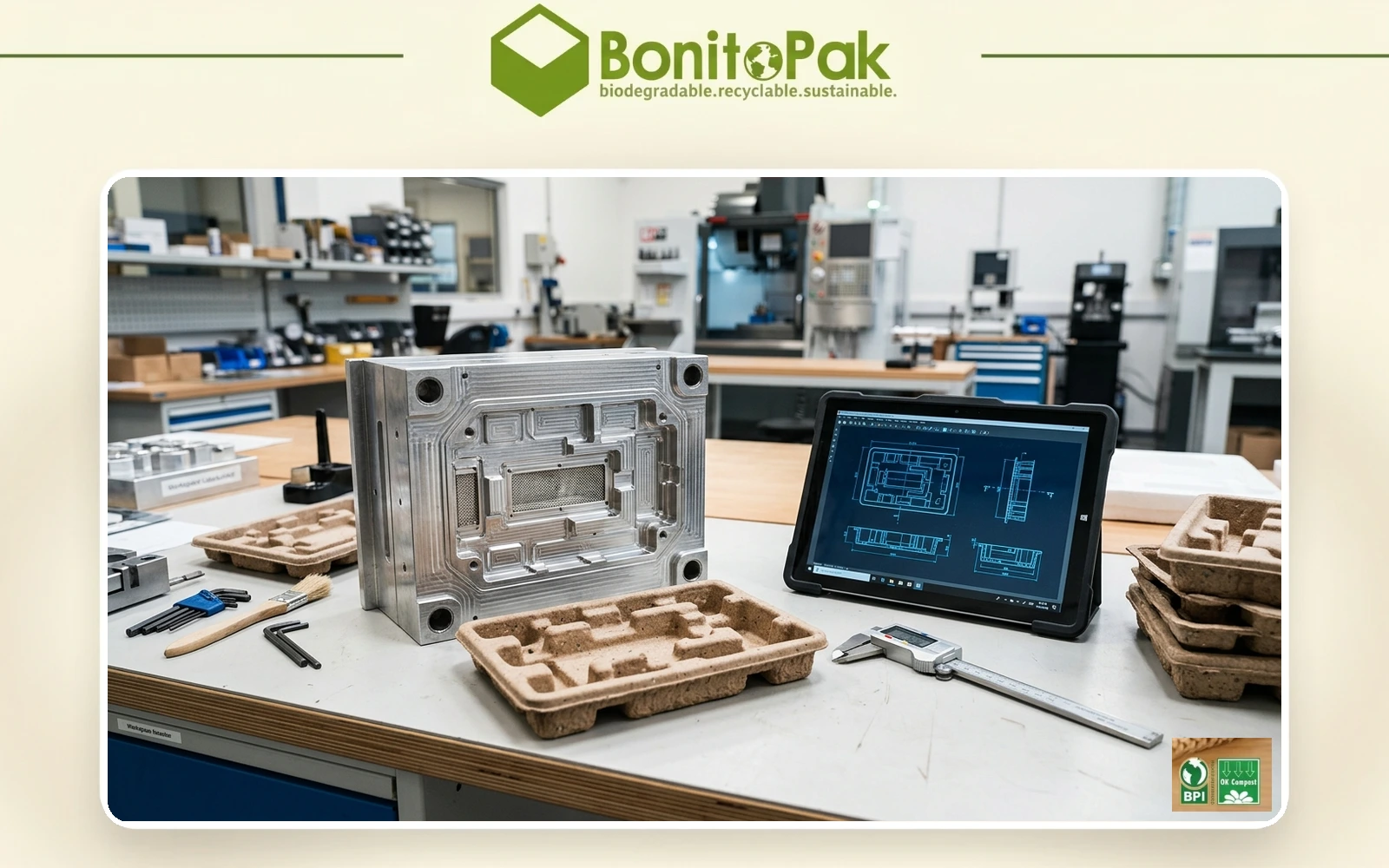
Electronic devices demand careful handling during shipping per IEC 60068 environmental testing standards¹². Papierzellstoff-Ausrüstung produces custom-fitted trays with excellent cushioning properties.
Untersuchungen zeigen, dass Zellstoffverpackungen Schäden an elektronischen Bauteilen um 25-35% im Vergleich zu herkömmlichen Schaumstoffalternativen verringern.
Landwirtschaftliche Verpackungslösungen
Egg tray machines produce ventilated containers for agricultural products meeting USDA packaging requirements¹⁴. Egg trays and egg boxes represent common applications worldwide.
Commercial poultry operations report 12-20% reduction in egg breakage using molded Zellstoffschalen versus plastic alternatives.
Vergleich zwischen Pulp Molding und traditionellen Methoden
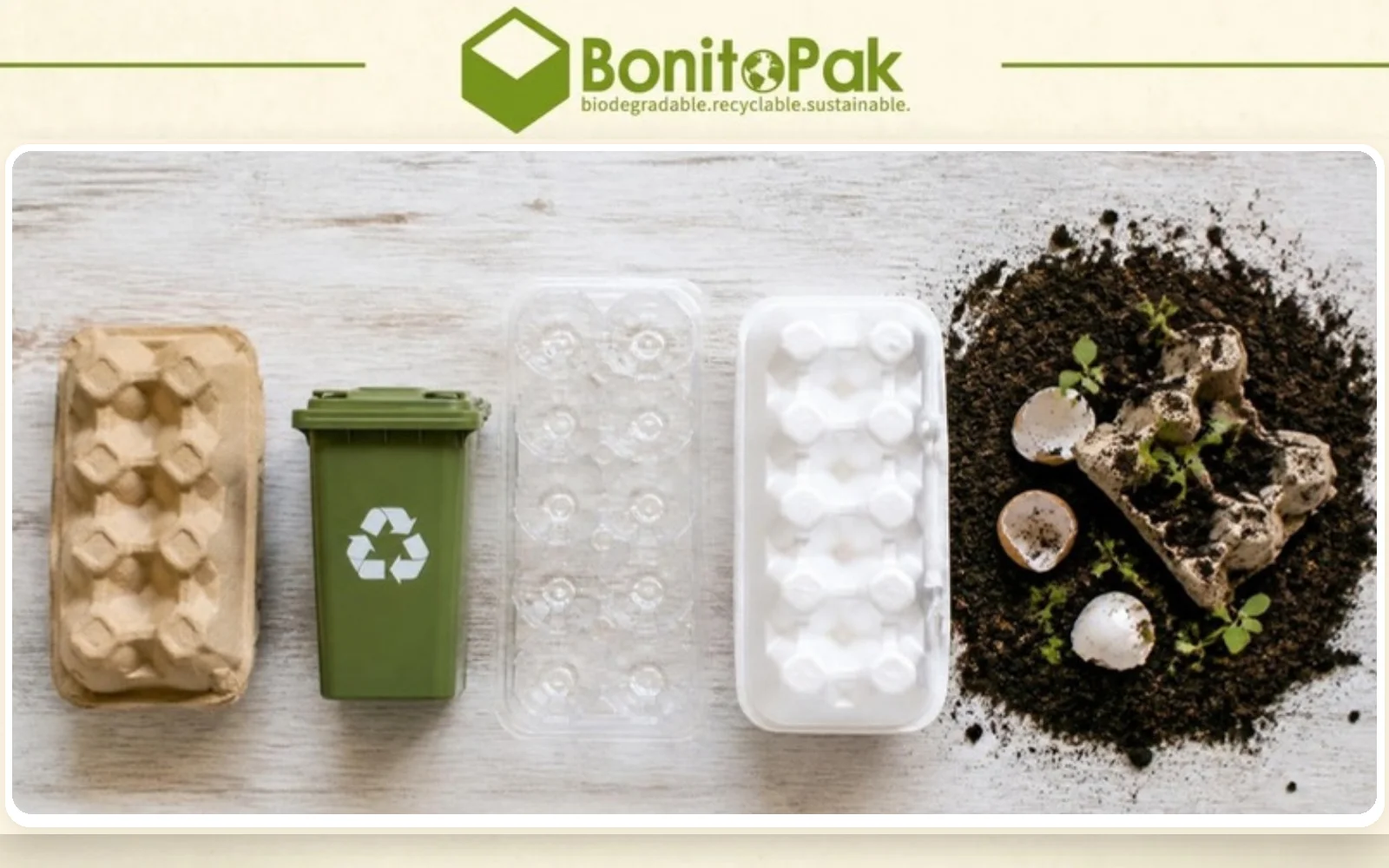
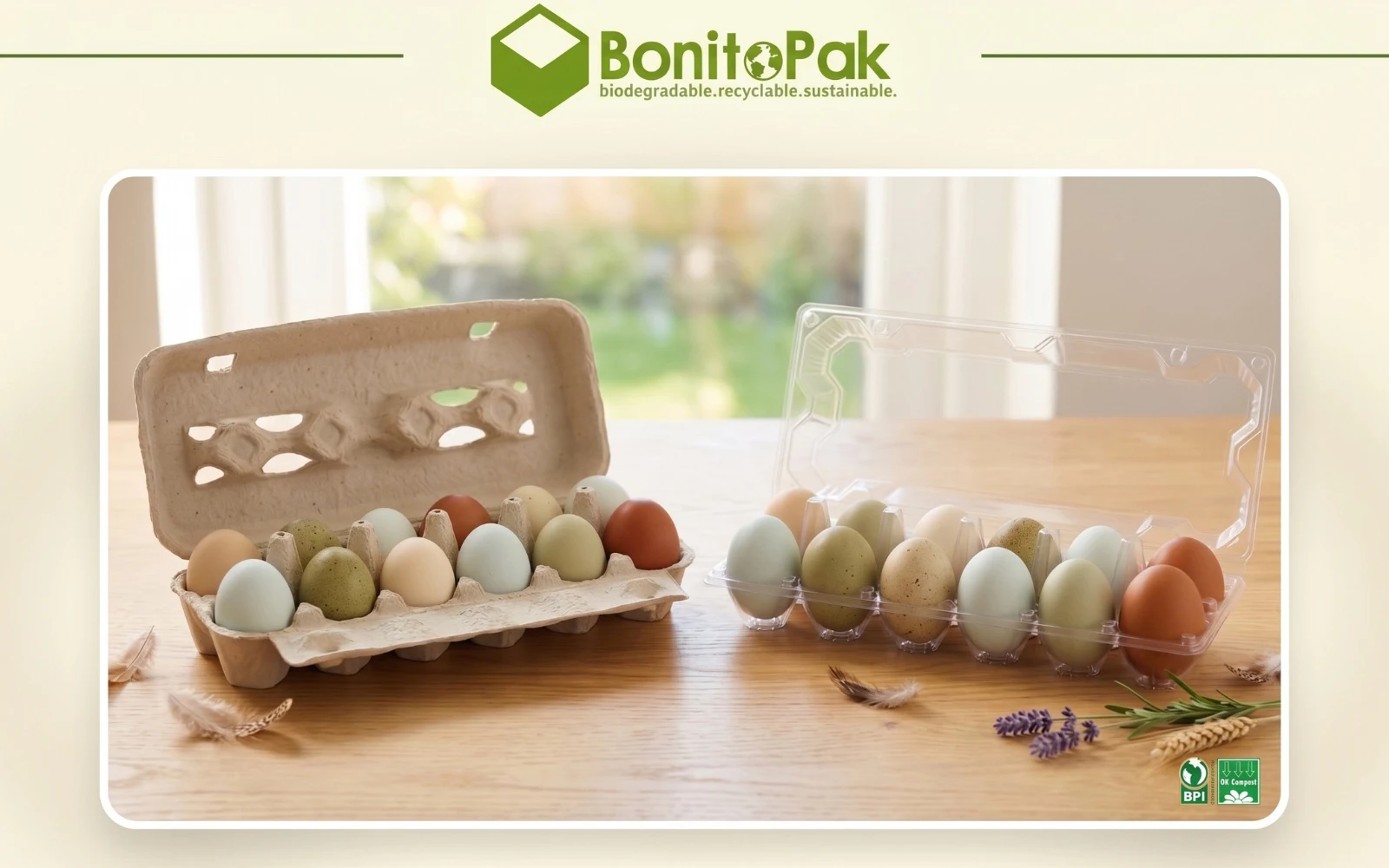
These machines produce biodegradable products replacing harmful plastic packaging materials. Traditional plastic persists for centuries causing environmental damage per NOAA marine debris research¹⁵.
Carbon footprint calculations from environmental research institutions favor molded pulp manufacturing by 35-50% over petroleum-based alternatives.
| Merkmal | Zellstoffprodukte | Kunststoffverpackungen | Nutzen für die Umwelt |
|---|---|---|---|
| Biologische Abbaubarkeit | 90 Tage | 500+ Jahre | Reduziert Deponieabfälle |
| Rohmaterialien | Recycelt/Natürlich | Erdölbasis | Erneuerbare Ressourcen |
| Produktion Energie | 35% Untere | Höher | Reduzierter Kohlenstoff-Fußabdruck |
Wo man Qualitätsmaschinenhersteller findet
Bewertung der Produktionskapazitäten
Choosing the right pulp molding machine manufacturer requires careful consideration following ISO 9001 supplier qualification standards¹⁷. Experience levels differ among suppliers significantly across regions.
Qualitätszertifikate weisen auf die Glaubwürdigkeit des Herstellers hin, einschließlich CE-Kennzeichnung und UL-Sicherheitsstandards.
Regionale Fertigungsexzellenz
China pulp molding manufacturers lead global production with advanced technology certified by China National Standards (GB/T)¹⁸. Pulp moulding machine manufacturers serve international markets with comprehensive solutions.
Automatic plant fiber processing systems deliver high efficiency production with minimal labor requirements.
Technologische Fortschritte beim Pulp Molding
Verbesserungen bei der Automatisierung
Modern pulp molding equipment incorporates Industry 4.0 automation reducing labor requirements by 50-65%. Fully automatic systems monitor production parameters continuously through IoT sensors.
Neuere KI-gesteuerte Qualitätskontrollsysteme erkennen Fehler in Echtzeit und verbessern die Produktionseffizienz um 18-28%.
Nachhaltige Innovationslösungen
Die fortschrittliche Zellstoffformungstechnologie konzentriert sich auf abbaubare Papieralternativen, die den Prinzipien der Kreislaufwirtschaft entsprechen. Die automatische Verarbeitung von Pflanzenfasern erweitert die Rohstoffoptionen gemäß den EPA-Richtlinien für nachhaltiges Materialmanagement²¹.
Die Lösungen für das Pulp Molding werden durch laufende F&E-Bemühungen, die durch staatliche Forschungszuschüsse finanziert werden, weiterentwickelt.
Schlussfolgerung
Pulp molding equipment represents sustainable packaging manufacturing’s future across industries. These machines transform waste materials into valuable products supporting environmental goals effectively.
Investment in pulp molding machines offers excellent returns through reduced costs and environmental compliance. Sustainable packaging provides competitive advantages through cost reduction and brand differentiation.
Pulp molding production lines enable businesses meeting growing demand for eco-friendly solutions while achieving regulatory compliance.
Frequently Asked Questions About Pulp Molding Equipment
Wie viel kosten die verschiedenen Formsysteme auf den aktuellen Märkten?
Paper pulp molding machine prices range from $25,000-$45,000 for basic egg tray machines to $180,000-$550,000 for fully automatic systems. Complete production lines require $280,000-$850,000 investment including installation and training costs.
Welche Produktionsgeschwindigkeiten können moderne Anlagen erreichen?
Pulp molding production lines typically produce 800-3,500 pieces per hour depending on product complexity and machine specifications. Advanced automatic pulp molding machines achieve cycle times of 12-35 seconds for standard products.
Welche Rohstoffe liefern die besten Ergebnisse für Anwendungen?
Bagasse-Zellstoff bietet eine hervorragende Festigkeit für Lebensmittelverpackungen, während sich Altpapier hervorragend für industrielle Anwendungen eignet. Zuckerrohr-Bagasse-Zellstoff bietet 25-35% eine bessere Haltbarkeit als herkömmliche Materialien gemäß den Prüfstandards.
Wie wirken sich die Wartungsanforderungen auf die Betriebskosten aus?
Pulp molding machinery requires daily cleaning, weekly lubrication, and monthly inspections for optimal performance. Proper maintenance reduces downtime by 35-55% and extends equipment lifespan to 15-20 years.
Welche Umweltzertifizierungen erfüllen die Produkte in der Regel?
Pulp molding equipment produces items meeting ASTM D6868 biodegradability standards, FDA food contact regulations, and EU compostability requirements. Products typically biodegrade within 60-120 days under commercial composting conditions.
References and Citations
¹ U.S. Environmental Protection Agency. (2024). “Plastics: Material-Specific Data.” Available at: https://www.epa.gov/facts-and-figures-about-materials-waste-and-recycling/plastics-material-specific-data
⁴ ASTM International. (2024). “ASTM D6868 Standard Specification for Labeling of End Items.” Available at: https://www.astm.org/d6868-21.html
⁵ International Organization for Standardization. (2024). “ISO 12625 Tissue paper and tissue products.” Available at: https://www.iso.org/standard/51712.html
⁶ Technical Association of the Pulp and Paper Industry. (2024). “TAPPI Test Methods.” Available at: https://www.tappi.org/content/sarg/t205.pdf
⁷ National Institute of Standards and Technology. (2024). “Manufacturing Engineering Laboratory Guidelines.” Available at: https://www.nist.gov/el
⁸ USDA BioPreferred Program. (2024). “Federal Procurement Requirements.” Available at: https://www.biopreferred.gov
¹⁰ U.S. Food and Drug Administration. (2024). “CFR Title 21 Food Contact Substances.” Available at: https://www.fda.gov/food/food-additives-petitions/food-contact-substances-fcs
¹¹ European Commission. (2024). “Single-Use Plastics Directive.” Available at: https://ec.europa.eu/environment/circular-economy/plastics_en.htm
¹² International Electrotechnical Commission. (2024). “IEC 60068 Environmental Testing Standards.” Available at: https://www.iec.ch/dyn/www/f?p=103:7:0::::FSP_ORG_ID:1236
¹⁴ U.S. Department of Agriculture. (2024). “Agricultural Packaging Guidelines.” Available at: https://www.usda.gov/topics/organic/packaging
¹⁵ National Oceanic and Atmospheric Administration. (2024). “Marine Debris Research.” Available at: https://marinedebris.noaa.gov
¹⁷ International Organization for Standardization. (2024). “ISO 9001:2015 Quality Management Systems.” Available at: https://www.iso.org/iso-9001-quality-management.html
¹⁸ Standardization Administration of China. (2024). “National Standards of China (GB/T).” Available at: http://www.sac.gov.cn
²¹ U.S. Environmental Protection Agency. (2024). “Sustainable Materials Management.” Available at: https://www.epa.gov/smm

 German
  English
  Spanish
  French
  Russian
  Japanese
  Portuguese
  Arabic