 Skip to content
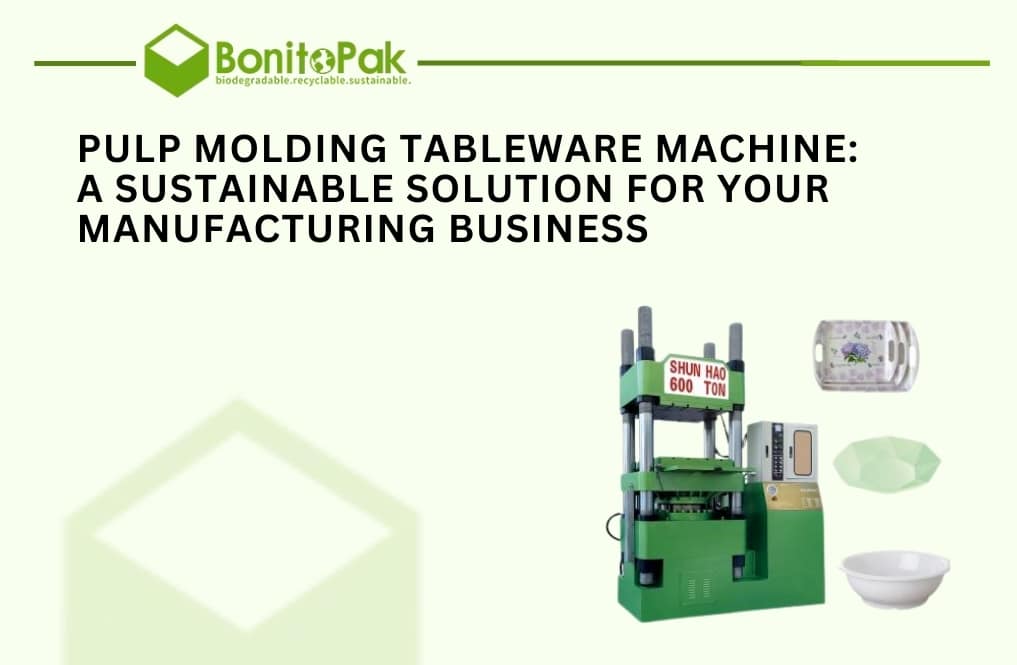
As the demand for sustainable products grows, businesses across various industries are looking for ways to reduce their environmental footprint. The manufacturing of disposable tableware using traditional materials has a significant environmental impact, from plastic waste to non-recyclable packaging. Pulp molding tableware machines offer a groundbreaking solution that enables businesses to manufacture eco-friendly, biodegradable tableware, reducing reliance on plastic and other harmful materials.
In this guide, we’ll explore how pulp molding tableware machines work, their benefits, and how you can incorporate them into your production line to meet the growing demand for sustainable products.
What is a Pulp Molding Tableware Machine?
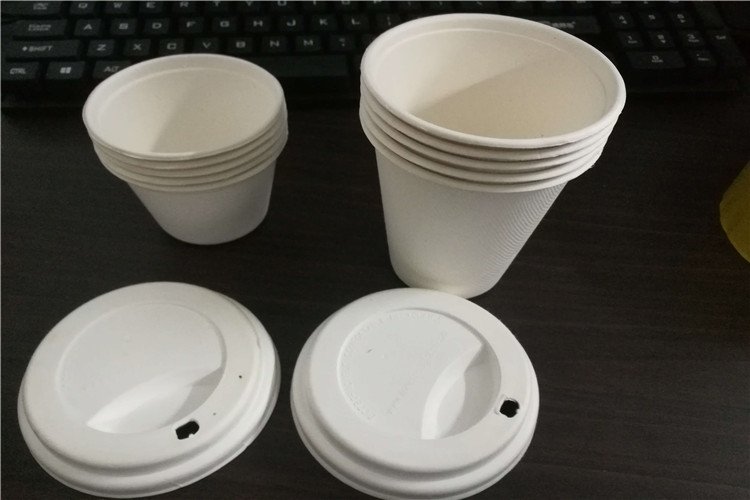
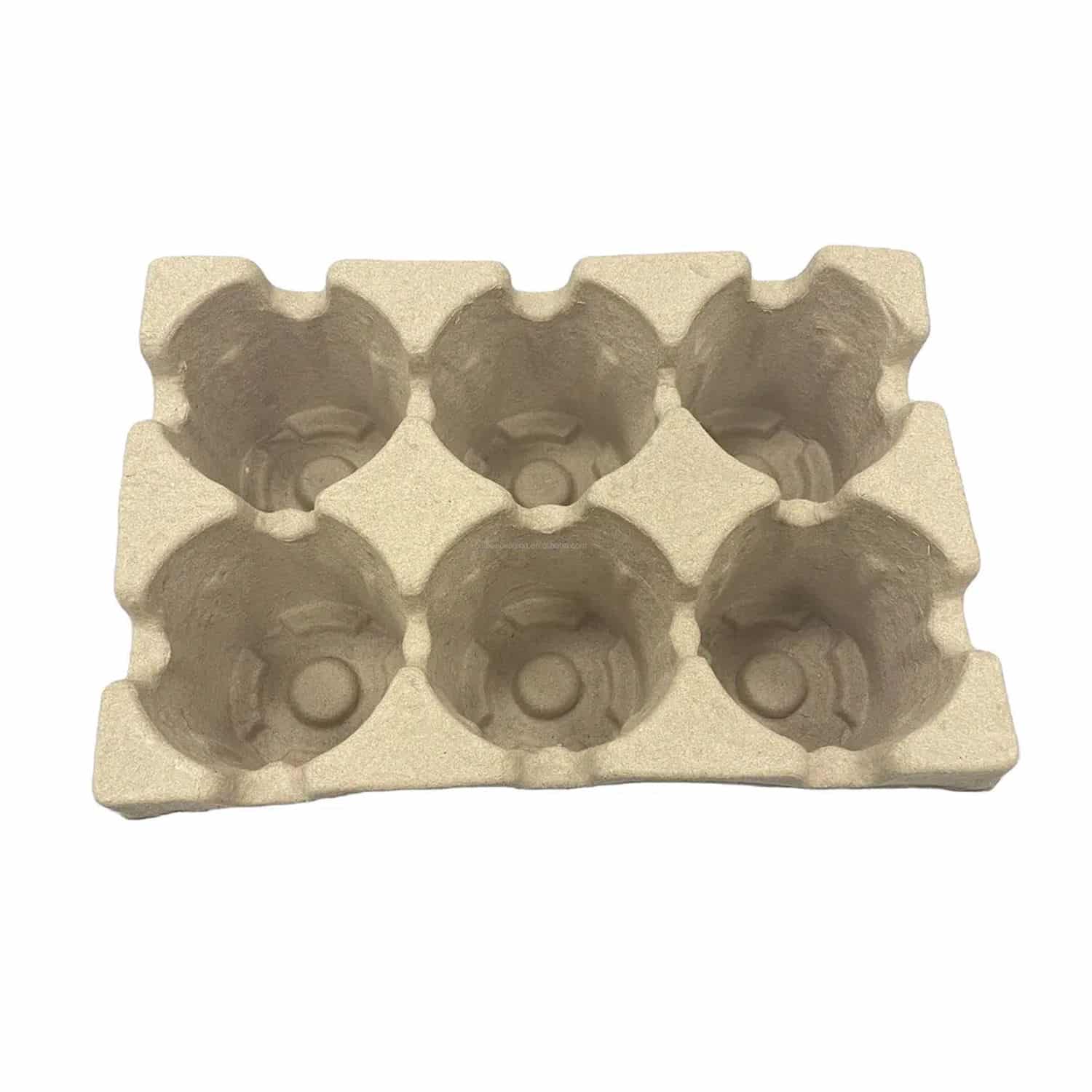
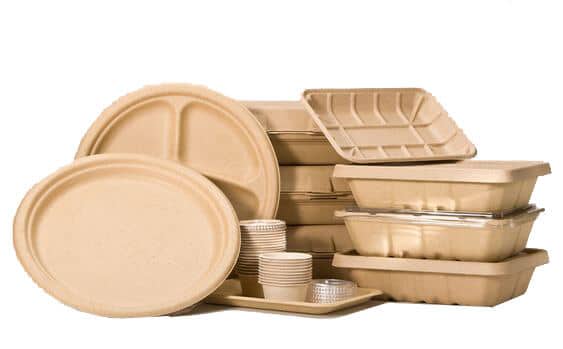
Pulp molding is an innovative manufacturing process that involves forming tableware (such as plates, bowls, and trays) from recycled paper, plant fibers, or other organic materials. These materials are transformed into a pulp-like consistency, which is then molded into the desired shape using a specialized machine.
How It Works:
The pulp molding machine works by mixing the raw materials (often waste paper) with water to create a slurry. This slurry is then poured into a mold, where it is pressed to form the shape of the desired tableware. After molding, the product is dried, either naturally or through heat, to achieve its final, hardened form.
Types of Pulp Molding Machines:
- Single Station Machines: Used for low-volume production and small businesses.
- Multi-Station Machines: Suitable for large-scale production with high efficiency.
- Customizable Machines: Tailored to produce specific tableware designs and sizes.
Benefits of Pulp Molding Tableware Machines
The adoption of pulp molding machines brings several key benefits for manufacturers and consumers alike. Let’s dive into the most significant advantages:
1. Environmental Benefits
Pulp molding is an eco-friendly process. By utilizing recycled paper and plant fibers, these machines reduce the reliance on plastic and styrofoam, two materials that take hundreds of years to decompose. As a result, businesses can offer biodegradable tableware that breaks down naturally without leaving harmful residues.
2. Cost-Efficiency
While the initial investment in pulp molding equipment might be high, the long-term cost savings are substantial. Raw materials, such as recycled paper, are cheaper and more sustainable than plastic or foam. Furthermore, pulp molding machines are energy-efficient and reduce waste during production, leading to lower operating costs.
3. Customization and Versatility
Pulp molding machines can produce a wide variety of tableware products in various sizes and shapes, offering excellent customization options. Whether you’re looking to create small snack trays or large dinner plates, pulp molding allows for versatility without compromising on quality or sustainability.
How Pulp Molding Tableware Machines Work
The Pulp Molding Process
- Preparation of Raw Materials: Recycled paper or other organic fibers are collected and processed into a pulp. This pulp is mixed with water to create a slurry.
- Molding: The slurry is poured into molds, which are the shape of the tableware you intend to produce. The pulp is then pressed, removing excess water and forming the shape of the item.
- Drying: After the product is molded, it is dried using heat or air, depending on the machine design. Once fully dried, the tableware is ready for packaging and distribution.
Key Components of a Pulp Molding Machine:
- Pulp Storage: A tank that holds the slurry before it is molded.
- Molding Press: The machine component that shapes the pulp into the desired form.
- Drying System: An oven or drying rack that solidifies the product.
Choosing the Right Pulp Molding Tableware Machine
When selecting a pulp molding machine for your business, it’s essential to consider several factors to ensure it meets your production needs.
Key Factors:
- Production Scale: Choose a machine based on your desired production volume. Larger-scale businesses might need multi-station machines for higher efficiency.
- Material Type: Pulp molding machines can work with different raw materials. Make sure the machine supports the type of pulp you want to use.
- Customization: If you need a range of tableware designs, opt for machines that allow for easy mold changes.
Price Range:
The price of a pulp molding tableware machine can vary depending on the machine’s features and production capacity. Prices typically range from $10,000 to $100,000, with larger-scale, multi-station machines costing more.
Practical Application: Setting Up Your Own Pulp Molding Machine
Setting up a pulp molding machine requires more than just purchasing the equipment. Here’s how to implement it in your facility:
- Purchase the Equipment: Identify the best machine based on your production needs and budget.
- Space Requirements: Ensure you have enough space for the machine and necessary accessories.
- Raw Materials: Source sustainable materials, such as recycled paper, to feed into the machine.
- Training: Train your team on how to operate and maintain the machine effectively.
Troubleshooting Common Issue
While pulp molding machines are highly efficient, they can face occasional challenges. Common problems include mold blockages, inconsistent product shape, and equipment malfunctions. Regular maintenance and troubleshooting guides from the manufacturer can help mitigate these issues.
Conclusion
The pulp molding tableware machine is an excellent solution for businesses looking to adopt sustainable manufacturing practices. By understanding the process, benefits, and practical applications, you can make an informed decision about whether to integrate this technology into your production line.
If you’re ready to make the switch to eco-friendly manufacturing, start by researching the best pulp molding machines for your needs, considering factors like production scale, cost, and materials. By acting now, you can stay ahead of the competition while contributing to a cleaner, greener future.

 English
  German
  Spanish
  French
  Russian
  Japanese
  Portuguese
  Arabic