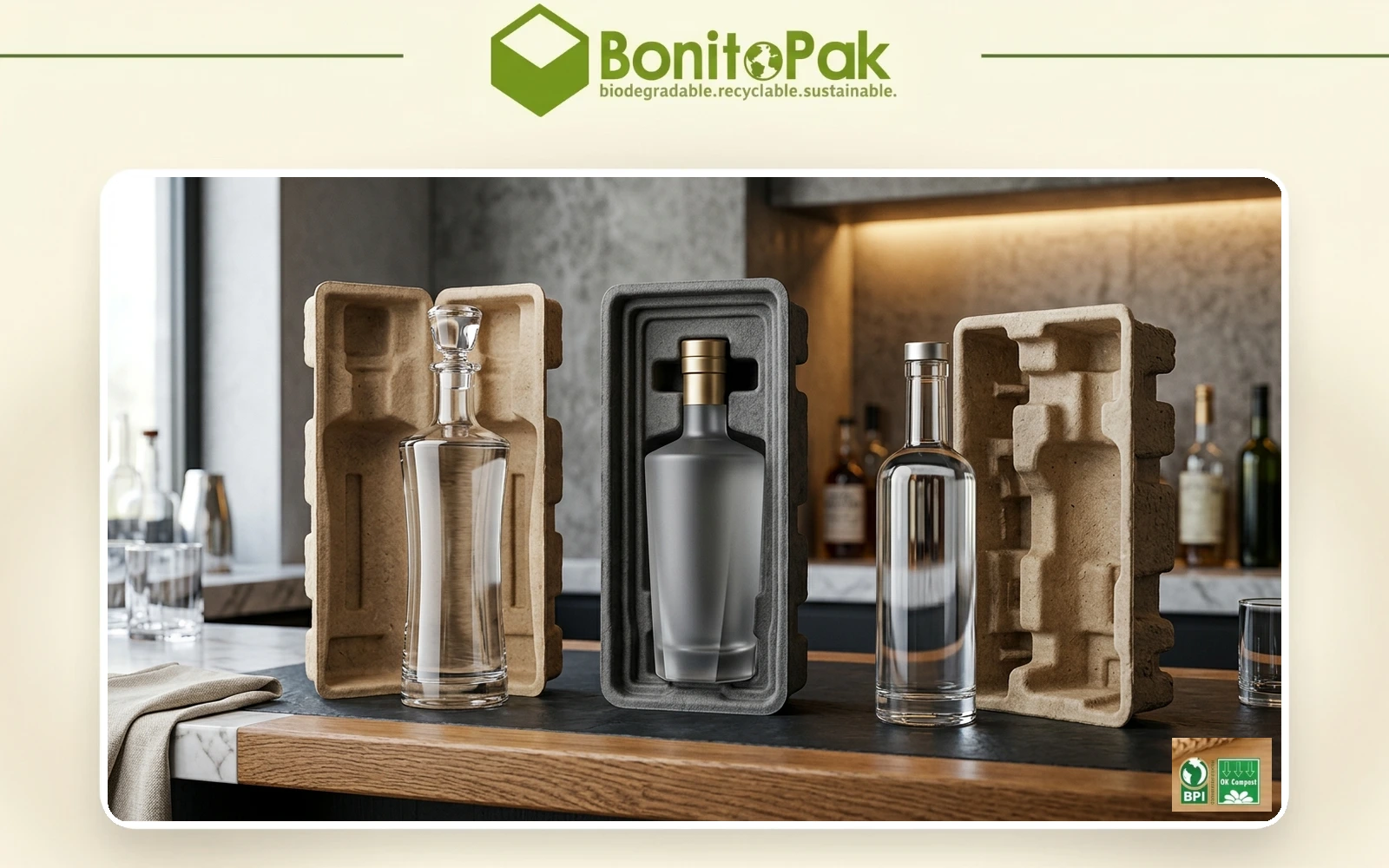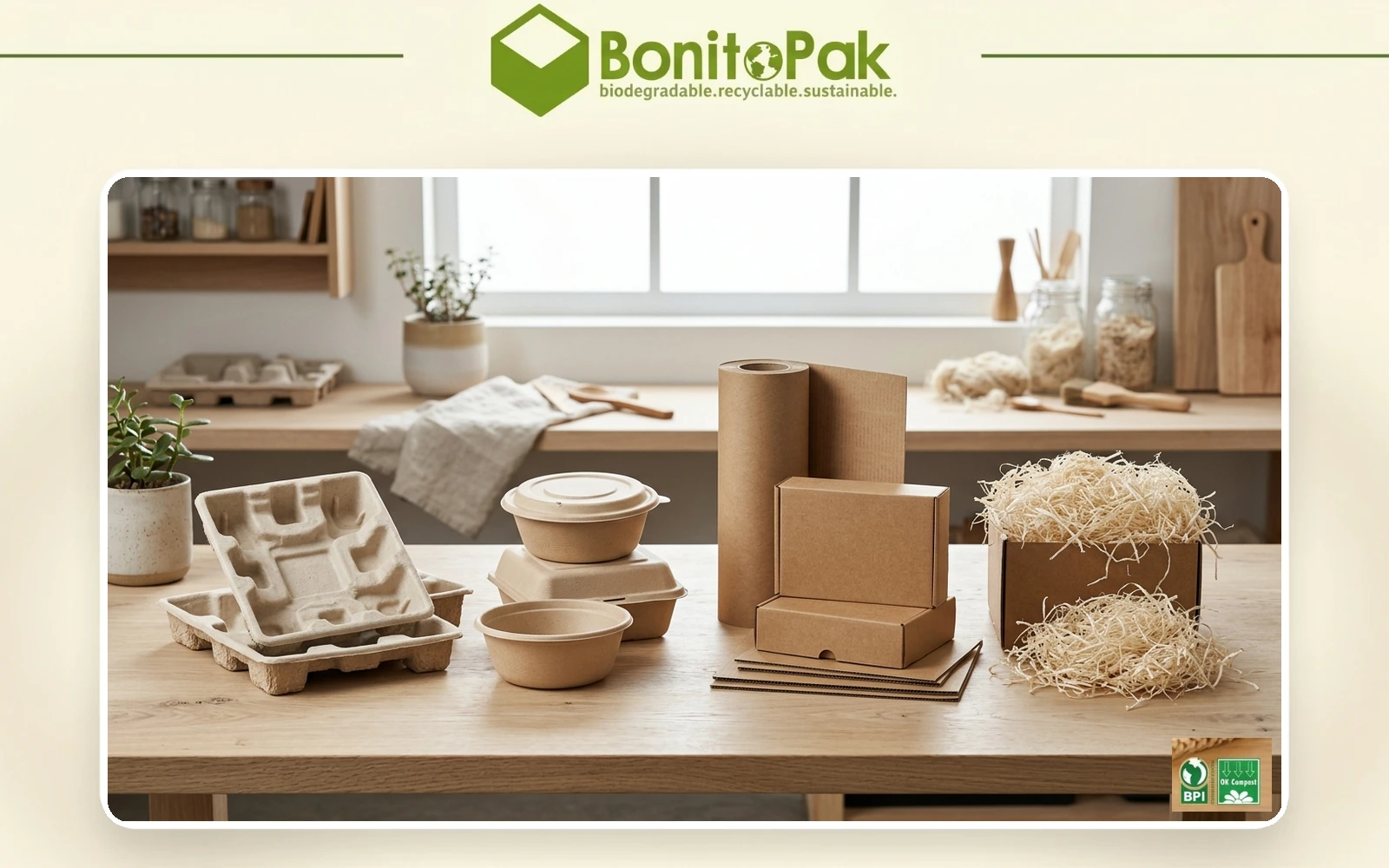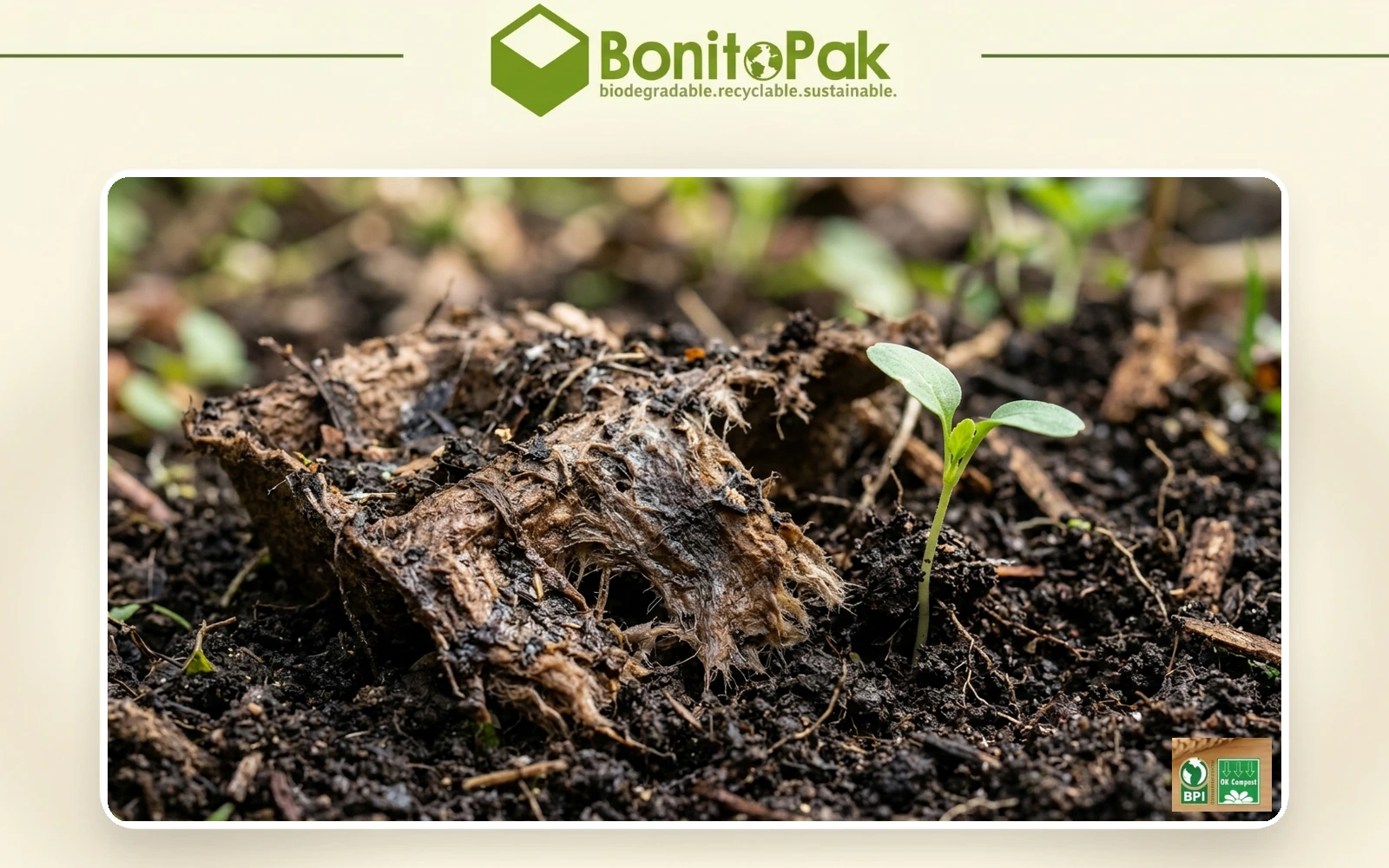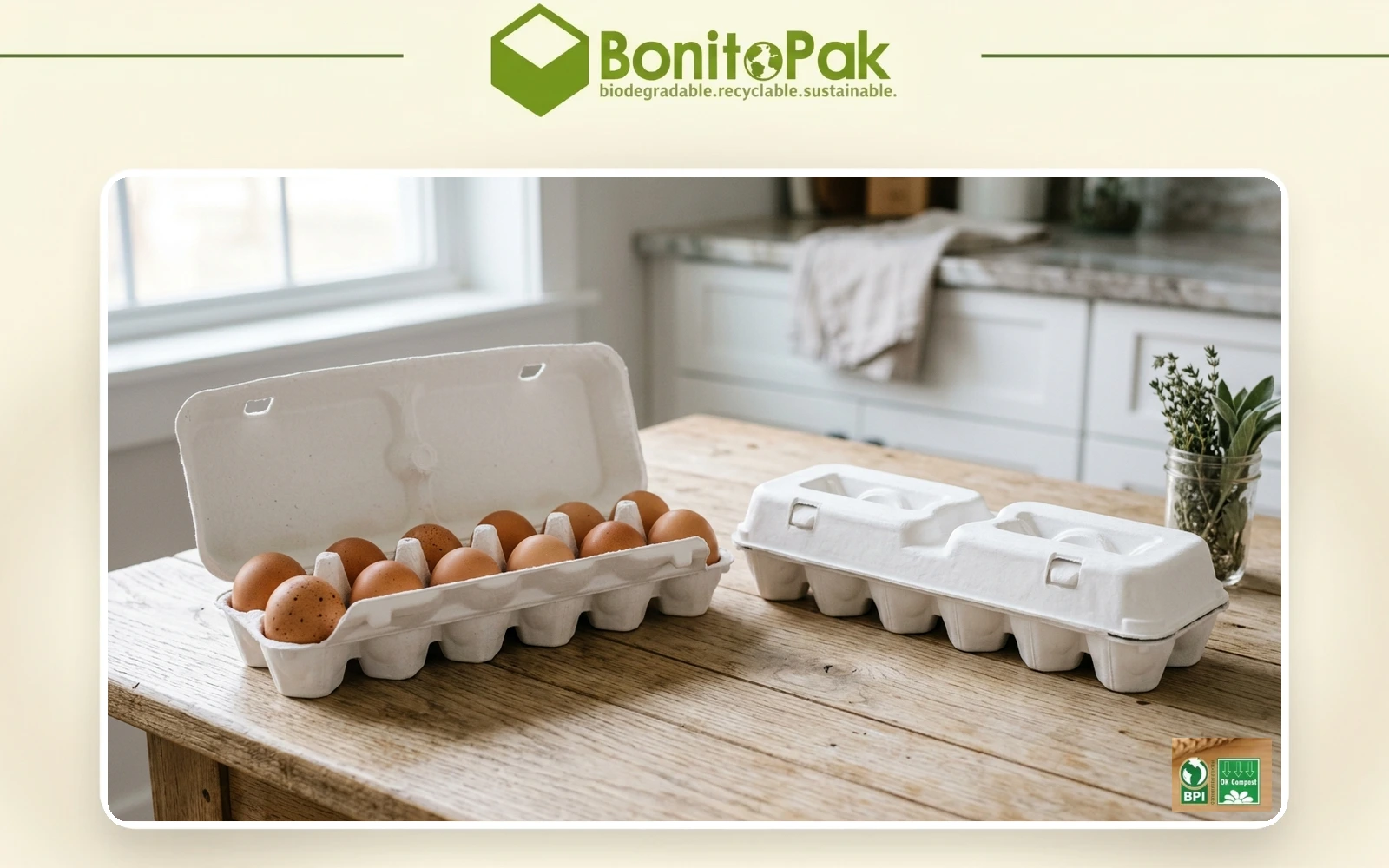

تقوم خطوط إنتاج صب اللب بتحويل نفايات الورق والمخلفات الزراعية إلى عبوات صديقة للبيئة. تشتمل هذه التقنية على عملية الترشيح بالتفريغ لصنع ألياف اللب في حاويات وصواني واقية. تكمل مراحل التجفيف والتشذيب والتكديس الآلية العملية دون عمل يدوي.
يعمل النظام على أربع مراحل. تختلط المواد الخام بالماء لتكوين ملاط. تسحب أنظمة التفريغ الألياف إلى القوالب لتشكيل أشكال المنتجات. غرف ساخنة تجفف المنتجات تمامًا. وأخيراً، تقوم المعدات الآلية بتشذيب وتكديس المنتجات النهائية.
لماذا تختار الشركات خطوط إنتاج صب اللب؟
الطبيعية في جميع أنحاء العالم عبوات اللب المقولب بلغ حجم السوق 7.01 مليار دولار أمريكي في عام 2024 مع زيادة الرقم إلى 13.44 مليار دولار أمريكي بحلول عام 2034. يشير ارتفاع الطلب في السوق إلى وجود اهتمام تجاري حقيقي ببدائل التغليف البلاستيكية المستدامة.
توفر خطوط إنتاج قولبة اللب مزايا قابلة للقياس من حيث التكلفة. الألياف المعاد تدويرها أرخص بكثير عند مقارنتها بالبلاستيك البترولي. ويقل استخدام الطاقة بنسبة 40-50 في المائة مقارنة بالتصنيع التقليدي. تبلغ سرعة الإنتاج 800,000 وحدة في اليوم وهو أمر مفيد في العمليات ذات الحجم الكبير.
سلوك المستهلكين يدفعهم إلى اعتمادها. تُظهر الأبحاث أن 90% من المستهلكين يفضلون العلامات التجارية التي تقدم عبوات مستدامة. بالإضافة إلى ذلك، يتوقع 69% أن تقدم الشركات خيارات صديقة للبيئة. ويخلق هذا التفضيل لدى المستهلكين مزايا تجارية فورية للشركات التي تشغل خطوط إنتاج فعالة لقولبة اللب.
ما هي الصناعات التي تستفيد من معدات خطوط إنتاج صب اللب؟
تمثل شركات الأغذية والمشروبات أكبر شريحة سوقية حيث تبلغ 41.41 تيرابايت 3 تيرابايت من الطلب على التغليف المستدام. تحتاج المطاعم ومشغلو خدمات الطعام إلى حاويات واقية وآمنة للأغذية للصواني والصناديق والحاملات التي تتحمل التبريد والتسخين في الميكروويف.
اعتمدت شركات تصنيع الإلكترونيات هذه التقنية على نطاق واسع. تحولت سامسونج إلى اللب المصبوب المعاد تدويره 100% لتغليف Galaxy S24 في عام 2024. تخلصت شركة Apple من العبوات البلاستيكية بحلول عام 2025. تعمل الصواني الواقية على توسيد المنتجات أثناء الشحن مع بقائها قابلة لإعادة التدوير بالكامل.
تولد مرافق الرعاية الصحية نفايات بلاستيكية كبيرة. ما يقرب من 20-251 تيرابايت 3 طن من نفايات الرعاية الصحية اليومية من البلاستيك. صب اللب خطوط تستبدل المواد السامة ببدائل قابلة للتحلل الحيوي للصواني المعقمة وحماية الأجهزة الطبية.
ما مدى كفاءة تشغيل خطوط إنتاج صب اللب؟
تبدأ مرحلة اللب باختيار المواد. يعمل الورق المعاد تدويره وتفل قصب الباجاس والخيزران والمخلفات الزراعية بفعالية. يقوم المشغلون بخلط المواد مع الماء بنسب دقيقة، مما يخلق ملاطًا موحدًا يؤثر على الجودة النهائية وسرعة الإنتاج.
تقوم مرحلة التشكيل بتشكيل اللب من خلال الترشيح بالتفريغ. تستقبل القوالب المعدنية المغمورة الطين. يقوم ضغط التفريغ بسحب الألياف من خلال الشاشات الشبكية، وبناء الجدران حسب المواصفات. تحدد هذه المرحلة قوة المنتج ودقته.
التجفيف القائم على الحرارة يزيل الرطوبة من خلال أنظمة الحمل الحراري. يمنع التحكم في درجة الحرارة ضعف المنتجات أو تشوهها. تتضمن الأنظمة الحديثة تقنية استرداد الحرارة، مما يقلل من استهلاك الطاقة بنسبة 30-40%.
التشذيب والتكديس يكملان العملية. تقوم الأنظمة الآلية بإزالة المواد الزائدة بدقة. يتم تكديس المنتجات تلقائيًا لتكديسها على منصات نقالة، مما يلغي المناولة اليدوية.
خط إنتاج قوالب اللب مقابل التعبئة والتغليف البلاستيكية والتقليدية
| الميزة | خط إنتاج قوالب اللب | العبوات البلاستيكية | العبوات الرغوية |
| قابلية التحلل البيولوجي | 90 يوماً كحد أقصى | أكثر من 500 عام | قرون |
| التكلفة لكل وحدة | $0.02-$0.05 | $0.03-$0.08 | $0.03-$0.07 |
| توافر المواد الخام | وفيرة (نفايات معاد تدويرها) | المحدودة (البترول) | المحدودة (البترول) |
| كثافة الطاقة | 2-5 كيلوواط ساعة/طن | 8-12 كيلوواط ساعة/طن | 10-15 كيلوواط ساعة/طن |
| قابلية إعادة التدوير | 100% | <15% | 0% |
| خيارات الألوان | أكثر من 6 خيارات متاحة | محدودة | محدودة |
| الامتثال التنظيمي | الامتثال الكامل 2024 | مقيدة بشكل متزايد | تنفيذ الحظر |
| معدل نمو السوق | 6.73% CAGR 6.73% | تناقص | تناقص |
المقارنة بين أنظمة خطوط إنتاج قوالب اللب الدوارة والترددية
| الخصائص | نظام دوّار | النظام الترددي |
| الطاقة الإنتاجية | 6,000-6,000 قطعة/ساعة | 800-1,500 قطعة/ساعة |
| تعقيد المنتج | عناصر بسيطة وموحدة | تصميمات معقدة ومخصصة |
| Finish Quality | Standard quality | Superior smooth finish |
| Space Requirement | Compact footprint | Larger requirement |
| Capital Investment | $50,000-$300,000 | $150,000-$800,000 |
| Maintenance Complexity | معتدل | أعلى |
| أفضل التطبيقات | Egg trays, simple containers | Industrial packaging, custom products |
| Precision Level | قياسي | High precision |
Raw Materials for Pulp Molding Production Lines
Material selection impacts pulp molding production line performance and product characteristics significantly.
Recycled paper dominates usage with 88.7% market share in 2025. This material offers cost advantages, consistent quality, and environmental benefits. Recycled fiber reduces expenses by 40-50% compared to virgin materials.
Sugarcane bagasse provides smooth-finish products for premium applications. Agricultural processors generate waste during sugar extraction, making it cost-effective. Bagasse containers withstand temperatures from -30°C to 120°C.
Bamboo fiber offers rapid regeneration and excellent strength. Products demonstrate superior durability for industrial applications.
Key Components of an Efficient Pulp Molding Production Line
Pulping systems break down fibers uniformly, creating consistent slurry. Equipment quality directly influences production speed and uniformity. Advanced systems process multiple fiber types without reconfiguration.
Forming apparatus shapes products through precise vacuum filtration. Metal mold quality and vacuum pressure control determine consistency.
Drying equipment removes moisture through controlled heating. Heat recovery systems capture waste thermal energy, reducing operational costs significantly.
Trimming automation ensures consistent product dimensions. Precision cutting removes excess material while maintaining structural integrity.
Understanding Efficiency in Pulp Molding Production Lines
Efficient pulp molding production lines balance multiple performance factors.
Production speed matters, though quality consistency proves equally important. Modern systems achieve both through automated process control. Energy consumption impacts profitability directly. Newer systems consume 25-30% less power through efficient motor design.
Flexibility enables equipment to produce different products. Modular mold systems allow changes within 24-48 hours, maximizing utilization and preventing costly downtime.
Maintenance reliability prevents unexpected shutdowns. Predictive monitoring identifies component wear before failure. Quality consistency builds customer loyalty through automated inspection systems verifying specifications.
Real-World Applications and Industry Solutions
Pulp molding production line technology serves diverse business needs across sectors.
Food packaging producers operate high-volume systems. Daily requirements drive investment in efficient equipment. Electronics manufacturers need precise protective packaging. Samsung and Apple committed to sustainable packaging in 2024.
Medical facilities prioritize safety and compliance. Sterile packaging demands controlled environments. Cosmetics brands use this technology for luxury packaging with customizable designs.
Practical Implementation Considerations
Successful operations require careful planning and execution.
Equipment needs to be supported by infrastructure in the facilities. As a proper support, there must be sufficient electrical power, water, compressed air, and ventilation. Long term success is achieved in the form of recycled fibers that are reliable and their sourcing is the matter of material sourcing.
Operator training maximizes equipment performance and product quality. Proper technique prevents waste and extends lifespan. Maintenance scheduling prevents failures through regular inspections and corrective actions prevent quality problems reaching customers.
الخاتمة
Pulp molding production line technology represents practical investment in sustainable operations. Market growth demonstrates real demand across industries. Businesses reducing costs while meeting environmental standards gain competitive advantages. Consumer preference confirms sustainability matters. Implementing efficient systems positions companies for success in evolving markets demanding responsible packaging.
الأسئلة الشائعة
What is the basic function of a pulp molding production line?
Pulp molding production lines transform recycled fibers into packaging through pulping, forming, drying, and trimming stages. Equipment handles material preparation and product shaping via vacuum filtration automatically.
How does a pulp molding production line compare to plastic packaging manufacturing?
Pulp molding operates 40-50% more efficiently on energy, produces 100% biodegradable products, and uses recycled materials. Cost ranges $0.02-$0.05 per unit versus plastic’s $0.03-$0.08.
What raw materials work best in pulp molding production line systems?
Recycled paper commands 88.7% market share offering cost advantages. Bagasse, bamboo fiber, and wood pulp perform effectively depending on desired characteristics.
What equipment investment does a pulp molding production line require?
Initial investment ranges $50,000-$150,000 for basic systems to $300,000-$800,000 for mid-range equipment. ROI occurs within 18 months through operational savings.
Which industries benefit most from pulp molding production line technology?
Food and beverage represent 41.4% demand. Electronics, healthcare, e-commerce, and cosmetics also widely adopt this technology for sustainable solutions.