 Перейти к содержимому
Автор: Лео Чан | Writer, BonitoPak | 20+ years in molded pulp packaging
Canada regulates plastic ring carriers federally, which turns carrier selection into a compliance question rather than a sustainability preference. The compliant field is paperboard clips and collars, cardboard ring carriers, molded fiber and rigid handles, supplied largely through distributors rather than domestic manufacturers.
A disclosure first. BonitoPak manufactures molded fiber packaging in China and competes with part of this market. This is a market map rather than a ranking.
Canada differs from most markets covered in this series. Elsewhere, moving away from plastic rings is a choice driven by retailers, producer responsibility fees or brand position. In Canada it sits under federal single use plastics regulation, and suppliers serving the market describe compliant alternatives as a requirement for producers rather than an upgrade.
That changes the question from whether to switch to which compliant format fits your line.
The Plastic Ring Ban in Canada
Canadian packaging suppliers now frame the decision around the federal position directly. One describes plastic six pack rings as phasing out and tells producers that with the ban in effect, choosing a compliant alternative is a requirement rather than a preference.
The practical warning accompanying the plastic ring ban guidance is worth repeating, because it is the failure mode producers actually hit. Not all paper based solutions perform equally, and choosing one that does not hold up in distribution creates waste rather than removing it. A compliant carrier that fails in transit has solved a regulatory problem and created a commercial one.
Anyone relying on this article should confirm current regulatory scope and timing with a qualified adviser. Rules in this area have moved repeatedly, and this is general information rather than legal advice.
Compliant Can Carriers: The Formats
| Формат | Материал | Прочность | Watch for |
|---|---|---|---|
| Paperboard clip or collar | Solid or recycled board | High line speeds, large print area | Coated grades complicate recycling |
| Cardboard ring carrier | Lightweight board | Very low weight, curbside recyclable | Less structural than a formed carrier |
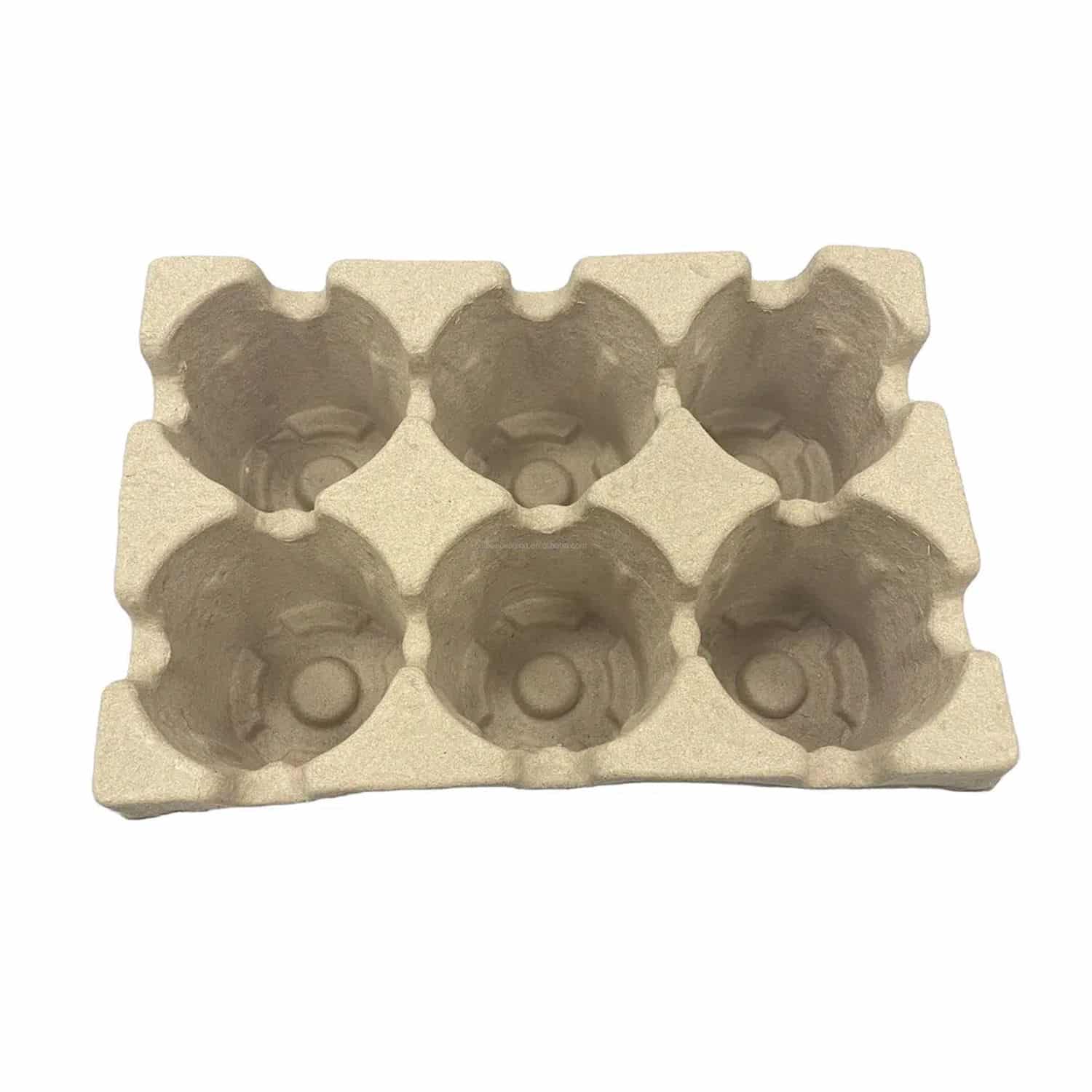
| Molded fiber carrier | Bagasse or recycled fiber | Grips can body, single material | Tooling per can diameter, freight volume |
| Rigid handle carrier | Recycled HDPE | Durable and reusable | Remains plastic, check scope applies |
Weight is worth attention in a regulated market. Cardboard ring carriers are notably light, with one manufacturer citing under seven grams per six pack and describing them as curbside recyclable while eliminating the need for bulkier fully enclosed cartons. Where producer responsibility fees are calculated per unit weight of material, that figure has a direct commercial consequence.
Can Carrier Suppliers in Canada
Canadian distributors and packaging specialists
This is where most Canadian producers should start. ALNA Packaging supplies can carriers and trays into the Canadian market alongside can ends, liners and printing, and publishes guidance specifically on the ring ban and compliant alternatives. Its positioning around supply chain performance rather than product alone is characteristic of this tier, which tends to advise as well as supply.
General beverage carrier suppliers and packaging distributors also carry stock in case quantities, which suits smaller producers who need stock rather than a tooling project.
International format owners
The formats themselves come from a small number of international suppliers. Smurfit Westrock’s CanCollar is a paperboard collar engineered with a tooth design that holds cans without glue or adhesive, working with standard and slim cans across four pack, six pack and other formats. WaveGrip supplies cardboard ring carriers internationally, positioned on low material use.
Roberts PolyPro manufactures ring and handle carriers including lighter weight designs using around 30 percent less plastic than conventional handles, though producers should establish carefully which of its formats fall inside or outside Canadian scope before specifying.
Molded fiber suppliers
The formed fiber segment reaches Canada mainly through import or distribution rather than domestic production, which is worth knowing because it lengthens lead times considerably against stock board formats. Fiber carriers grip the can body rather than the rim, which spreads load across a larger contact area and suits heavier packs, at the cost of separate tooling for each can diameter.
The Question That Decides Most Beverage Carrier Switches
Not material. Equipment. Every compliant can carrier depends on it.
Some compliant formats are designed to run on or near existing ring applicators, while others require dedicated machinery. Applicator capability commonly sets the practical ceiling, with automated systems handling in the region of 250 cans per minute on stainless equipment, largely hands off.
Work out what your line can run before shortlisting materials. A carrier that suits your product perfectly but needs a machine you cannot justify is not a shortlist candidate, and retrofitting a filling line is almost always the largest single cost in a format change.
The second question is can format. A carrier engaging the can top may span standard and sleek cans because both are necked to the same end diameter, while a carrier engaging the body needs separate tooling for each. We work through why in our guide to can carrier sizing. The material question sits alongside it, and we cover the certification side in our guide to compostable and recyclable claims.
Weight, Fees and the Case for Going Light
A second commercial force sits alongside the regulation, and it points the same way.
Producer responsibility schemes calculate fees on the weight of each material a producer places on the market. That makes carrier weight a recurring cost rather than a one time material choice, and it favours the lightest compliant format that performs adequately.
The trade is real though. A very light board carrier minimises fee exposure and material cost, but it grips the can top rather than supporting the body, which is less forgiving on heavier packs and tall cans. A formed fiber carrier weighs more and grips the body, which performs better under load but costs more per unit and more in freight because it ships formed rather than flat.
The right answer depends on pack weight. For standard cans in four packs, the lightest compliant option is usually sufficient. For six packs of tall cans, the load justifies a more substantial carrier, and the fee difference is small against the cost of packs failing in distribution.
What to Ask a Canadian Supplier
- Does this format fall inside or outside current federal scope, and can you evidence that?
- What weight per pack, since producer responsibility fees are calculated by material weight?
- What application equipment is required, and can it run on our existing line?
- What line speed is achievable in practice rather than in specification?
- How does the carrier perform loaded and after refrigeration, when condensation is present?
- What is stock availability and lead time on repeat orders?
That fifth question matters more in Canada than most places. Cans come out of cold storage into varying conditions, and a fiber or board carrier that softens under condensation will fail in exactly the situations producers care about. Test loaded and cold rather than dry on a bench.
A Note on Testing Before You Commit
Three tests separate a carrier that works from one that merely fits, and none of them require a laboratory.
Fill a pack and carry it. Sounds obvious, and it is routinely skipped in favour of assessing a sample carrier on its own. A carrier behaves differently loaded, and the difference concentrates at the handle aperture where a person actually applies force.
Chill the pack and carry it again. Cans come out of refrigeration and meet warmer air, condensation forms on the metal and transfers to the carrier. A board or fiber carrier that is fine dry and soft after twenty minutes in real conditions is not a viable format, and this is the single most common failure buyers report.
Run it on your line at speed. A carrier that applies cleanly by hand can jam at production rate, and applicator compatibility is where switches most often stall. Test at your actual line speed rather than a demonstration rate, and test with the can format you will run rather than a sample can.
What We See From the Manufacturing Side
We manufacture molded fiber packaging in Chashan Town, Dongguan, and Canadian enquiries have had a recognisable shape since the regulatory change.
Compliance deadlines compress timelines badly
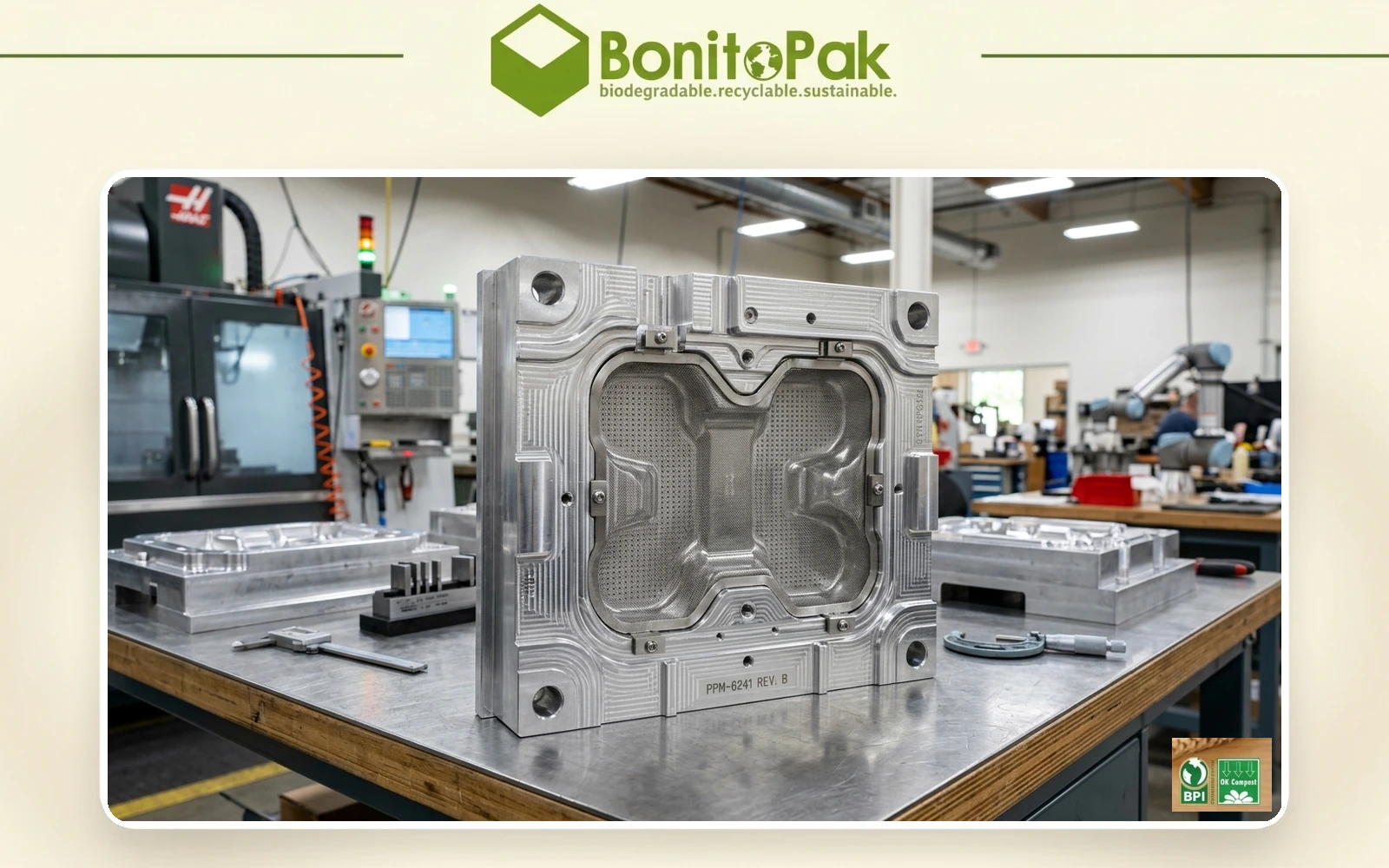
Producers frequently start looking when a deadline is already close, which is the worst moment to begin a tooling project. Sample molds run in about seven days and production molds around eight days after geometry approval, before production and ocean freight. A producer with months is well served. One with weeks is not, and should be looking at stock formats through a distributor instead.
Change material before format
Brands under regulatory pressure often try to change material and count together, moving from rings straight to a fiber four pack. That makes any problem hard to diagnose. Matching your existing count in a compliant material first, then evaluating format separately, is slower on paper and considerably faster in practice.
A carrier is a structural part
It holds full loaded weight in tension from the rim while being carried one handed, with stress concentrating at cell edges and the handle aperture. That is closer to our industrial and protective pulp packaging work than to a tray. We specify wall thickness from roughly 0.8 to 3mm against loaded weight, using сухая глажка for rigidity and мокрое прессование where the pack is customer facing. Options are on our Индивидуальная формованная упаковка из целлюлозы страница.
Применение этого на практике
Approach can carrier suppliers in Canada as a compliance project with a deadline rather than a packaging review. Establish scope first, confirm what your line can run second, and only then compare materials. Those three steps in that order eliminate most of the field quickly.
For most Canadian producers below high line speeds, the practical shortlist is a paperboard clip or collar through a Canadian distributor, or a cardboard ring carrier where weight and cost matter most. Formed fiber becomes interesting where you need body grip on heavier packs or a single uncoated material, and it requires longer lead times because it is not made domestically.
На сайте BonitoPak we are the wrong answer for a producer facing a near term deadline and a reasonable one for a settled programme at volume. If a Canadian distributor can supply a compliant stock format in weeks, that is the better route and we would rather say so than take an order we cannot serve well.
Часто задаваемые вопросы
Q: Are six pack rings in Canada actually banned?
A: Federal regulations targeting single use plastics include ring carriers, and Canadian suppliers describe compliance as a requirement rather than an option. Confirm current scope and dates with your regulatory adviser before relying on any summary.
Q: Does the ban cover rigid plastic handles too?
A: Scope differs between flexible ring carriers and rigid handle carriers, and this is the detail most often misread. Establish which category your current format falls into before assuming you are affected or exempt.
Q: What is the lightest compliant option?
A: Cardboard ring carriers are extremely light, with one supplier citing under seven grams per six pack. That matters for producer responsibility fees, which are calculated by material weight.
Q: Can I keep my existing applicator?
A: Sometimes. Some carrier formats are designed around existing ring applicators while others need dedicated equipment. Ask before selecting a format, since retrofitting a line is the largest cost in most switches.
Q: Are fiber carriers made in Canada?
A: Little to none domestically. Canadian buyers generally source through distributors carrying international brands, or import directly, which makes lead time planning more important than in a domestic supply market.





 Russian
  English
  German
  Spanish
  French
  Japanese
  Portuguese
  Arabic