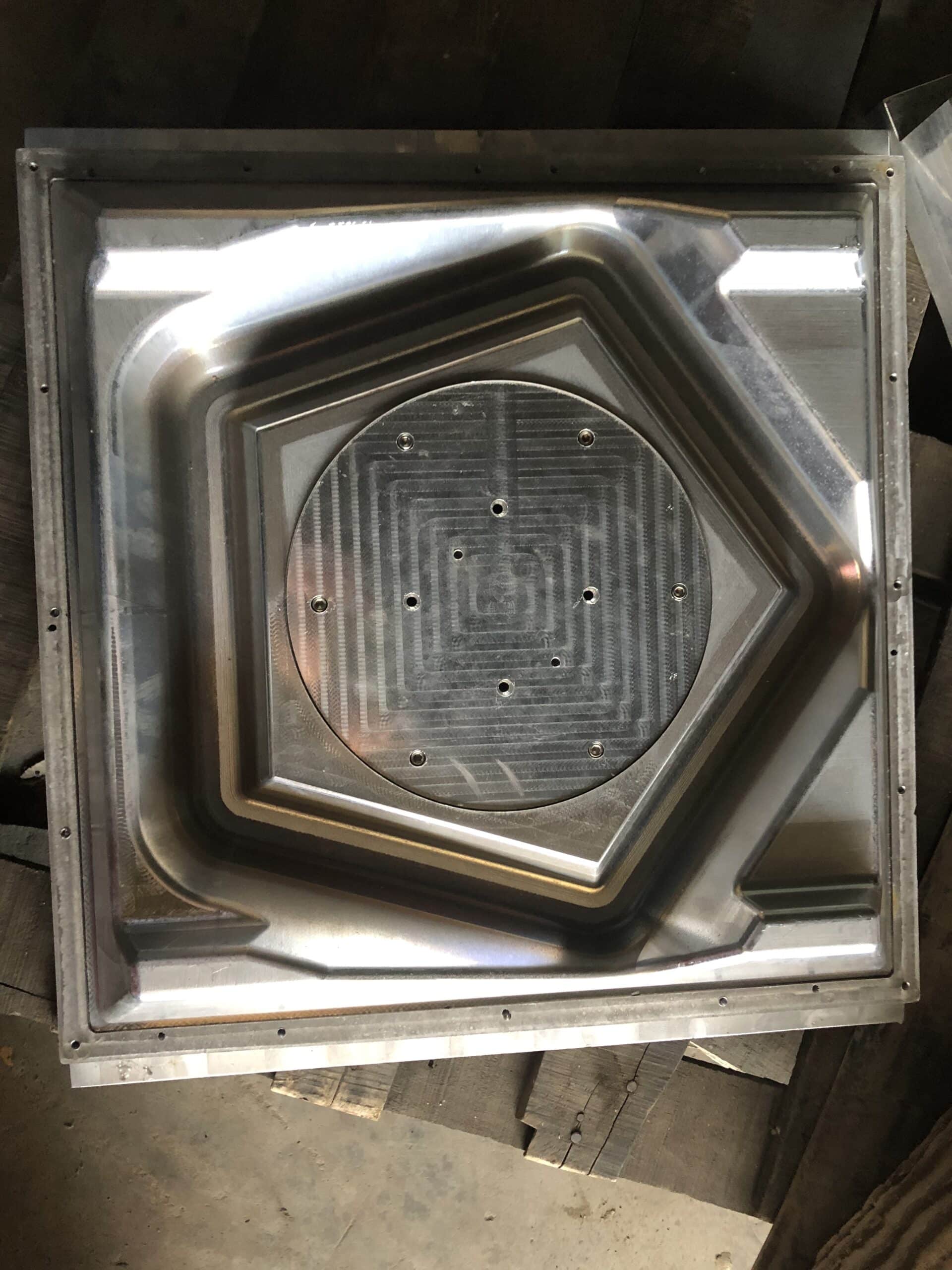
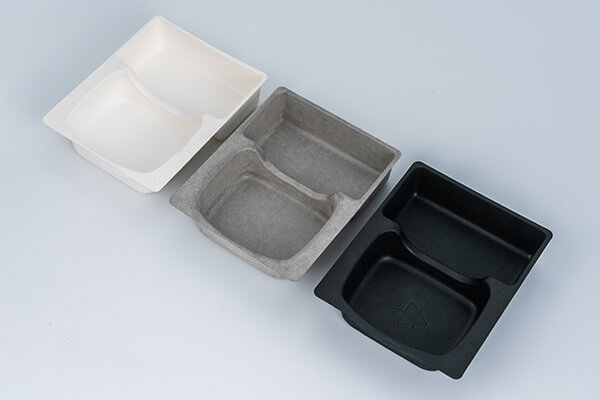
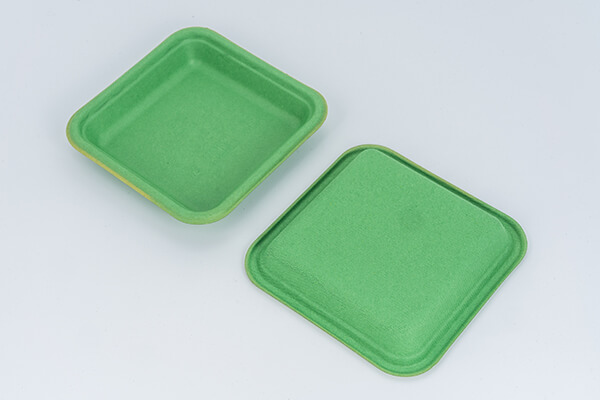
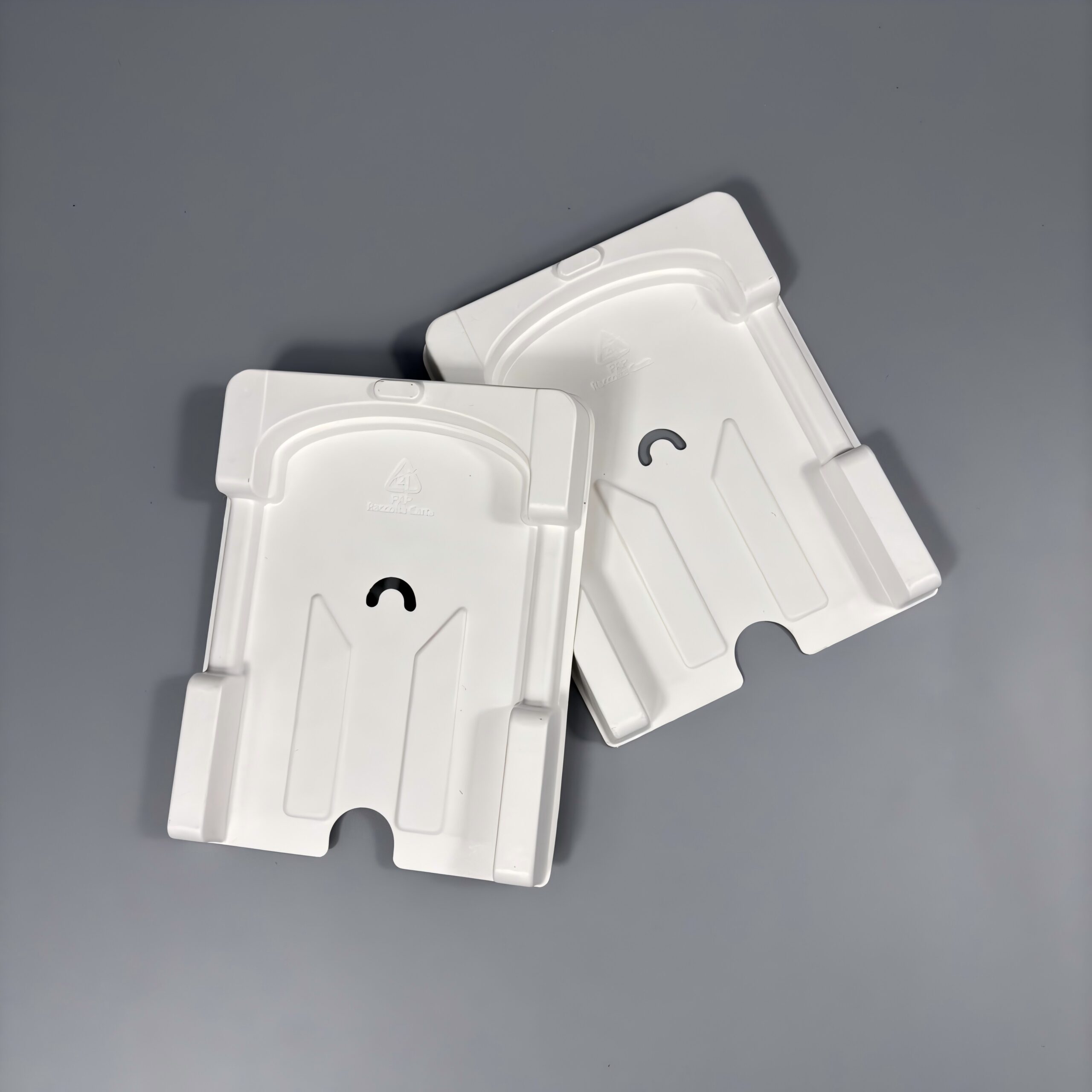
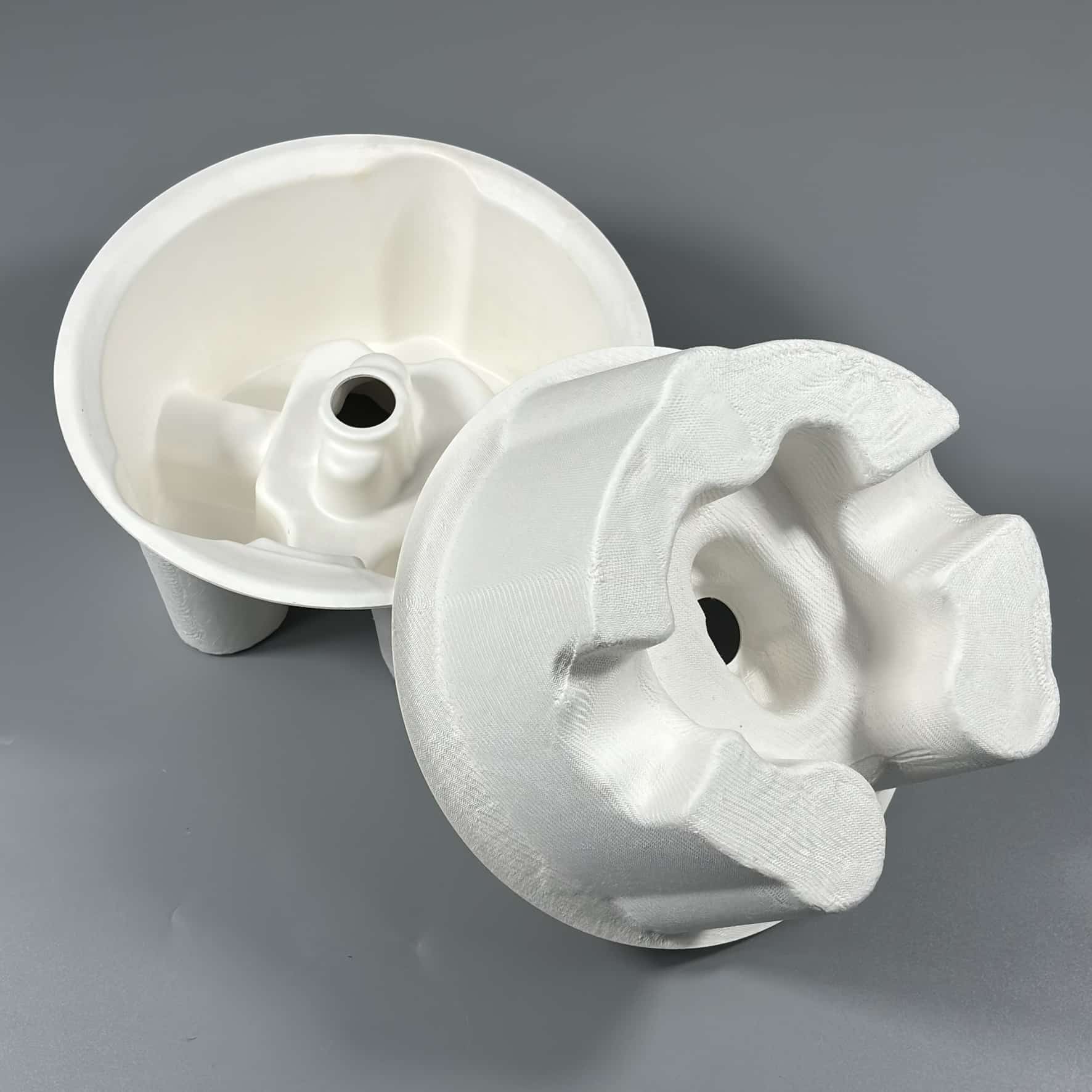
Формованная целлюлоза, полученная методом сухого прессования, зависит от механическое сжатие, а не образование суспензии to achieve final part strength. If compression is uneven, trays will warp, vary in thickness, or fail to nest correctly.
This mold is designed to apply pressure consistently across the cavity, producing trays that retain shape under load and stack reliably during packing, storage, and transport.
Engineered Tooling for Dry-Press Packaging Lines
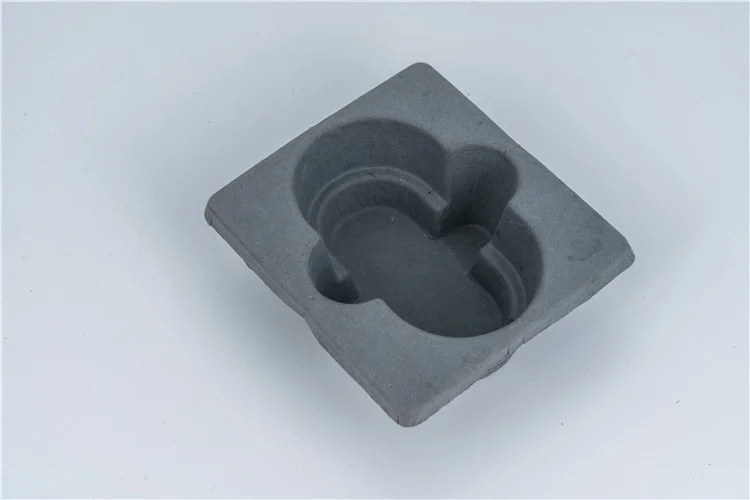
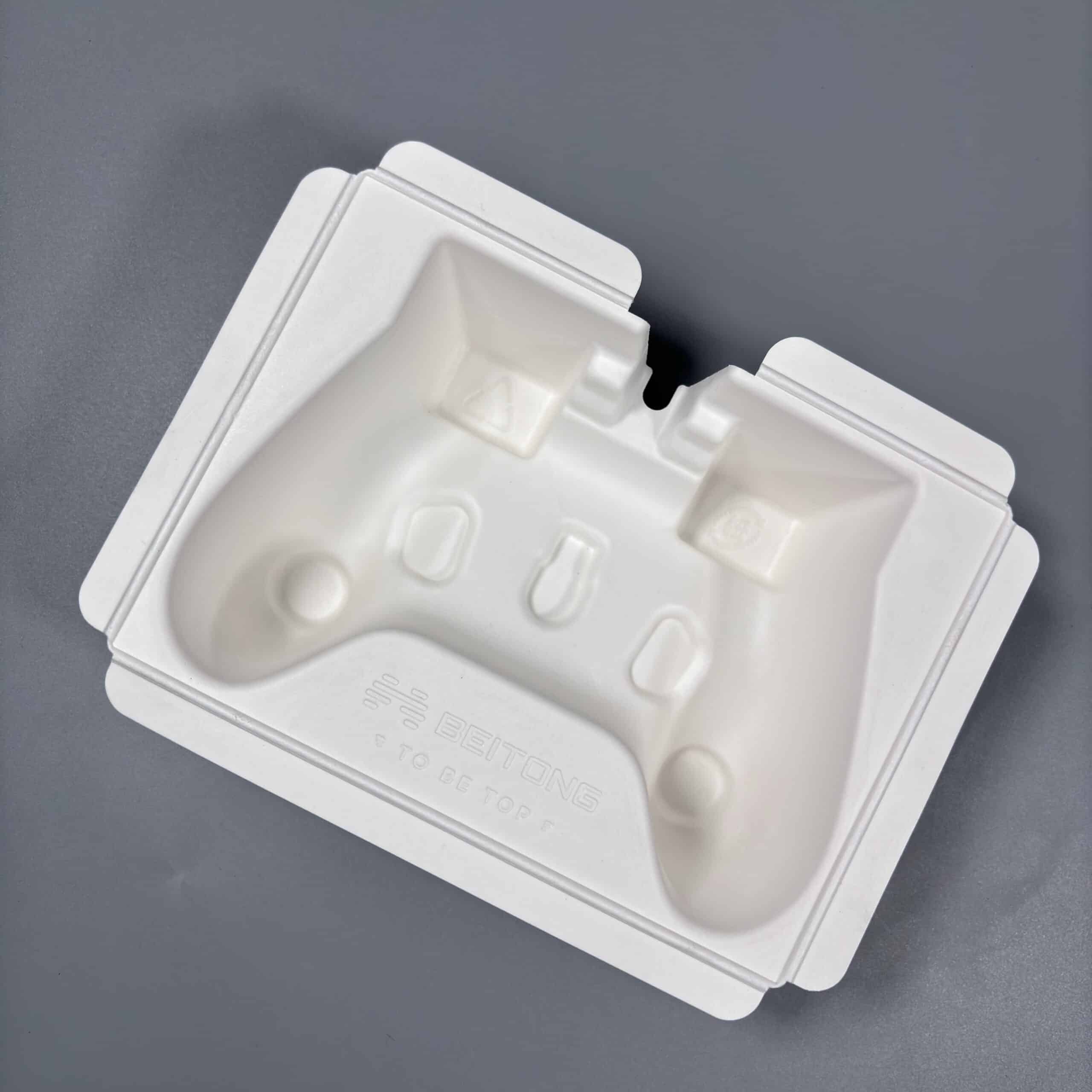
Геометрия полости разрабатывается с помощью упругая деформация волокон, степени сжатия и теплопередача in mind. The stepped wall design helps distribute pressure evenly while maintaining structural corners where load concentration is highest.
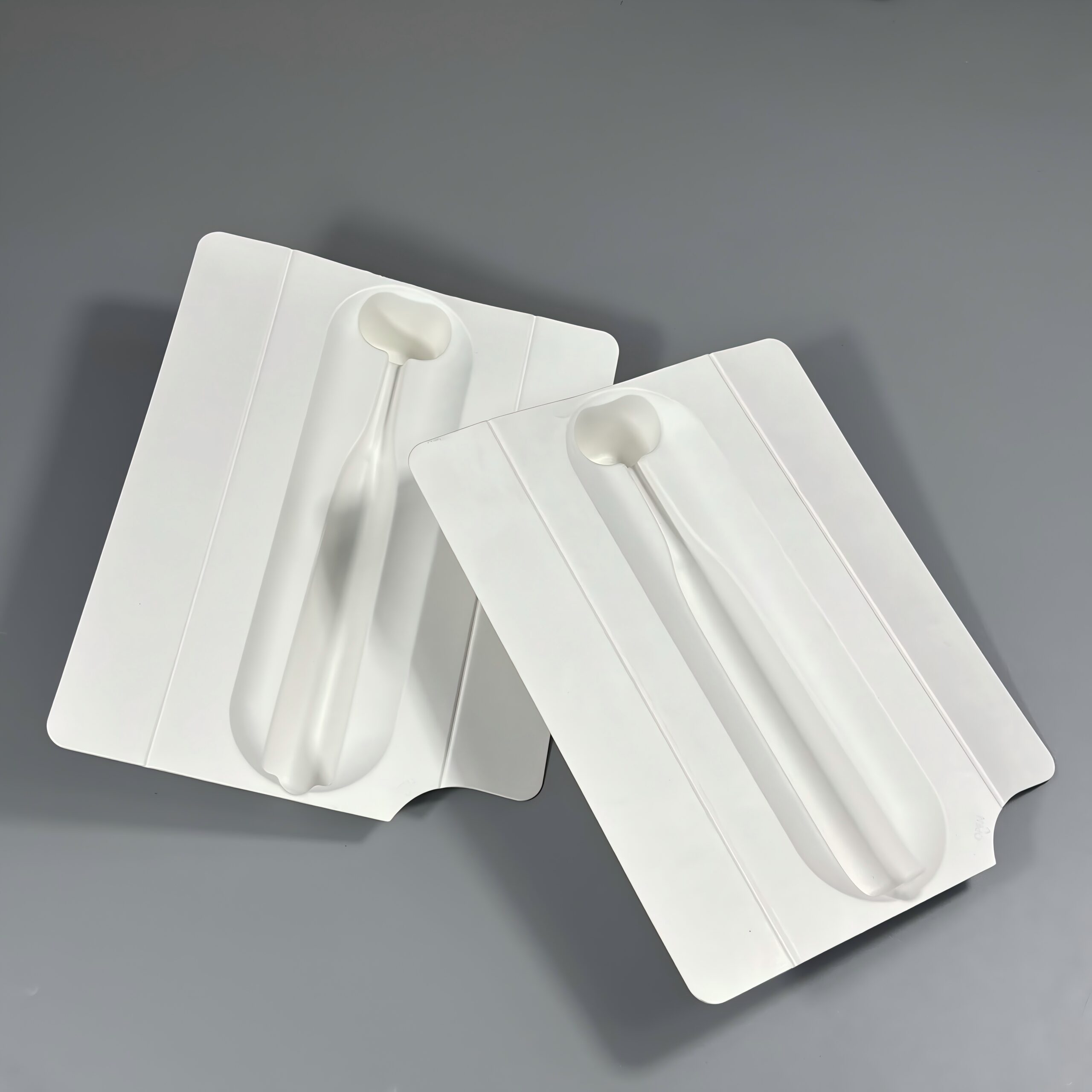
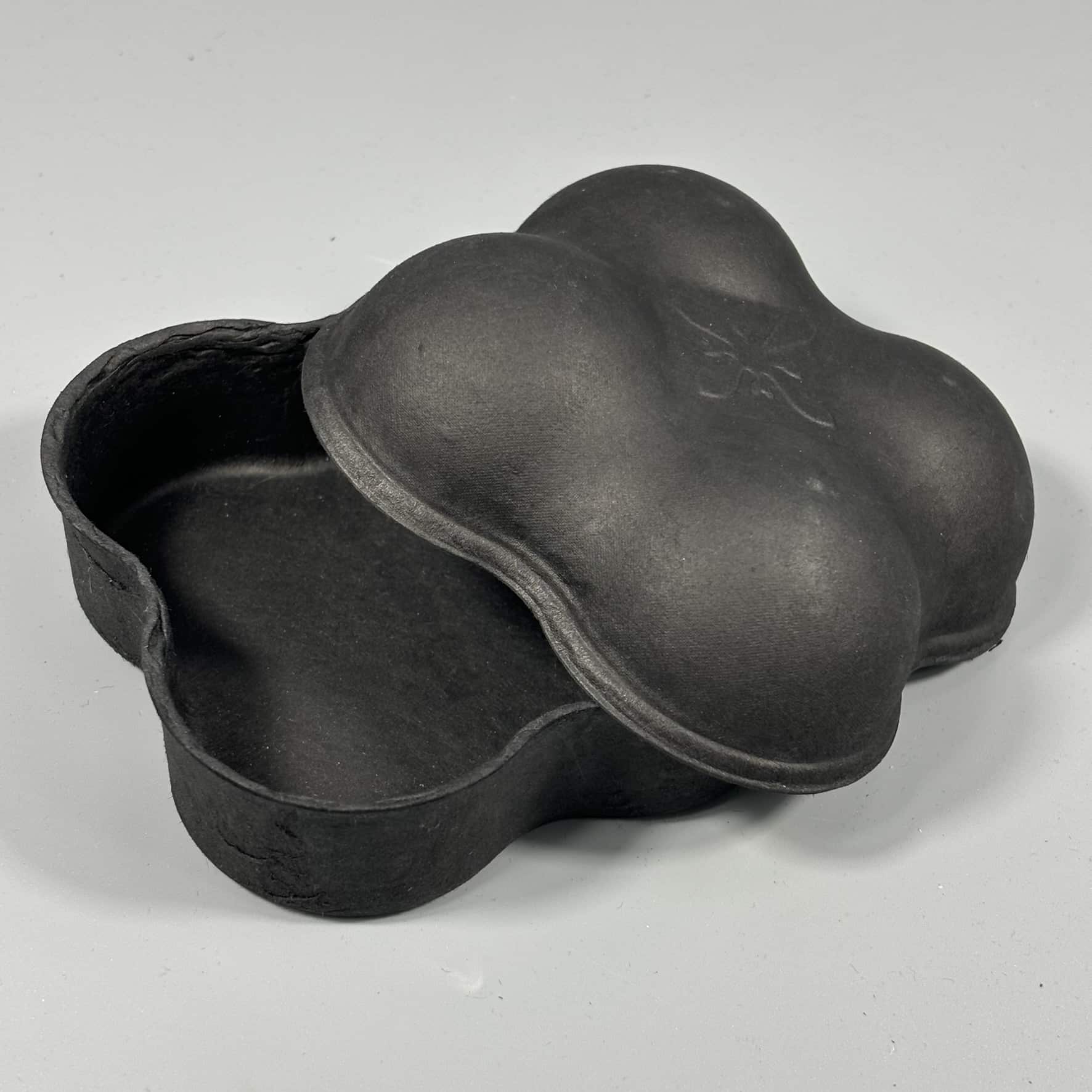
Tooling layouts are created using CAD-driven design, allowing precise control over depth, draft, and nesting behavior. Branding or identification features, when required, are integrated directly into the mold as emboss or deboss elements, avoiding secondary processes.
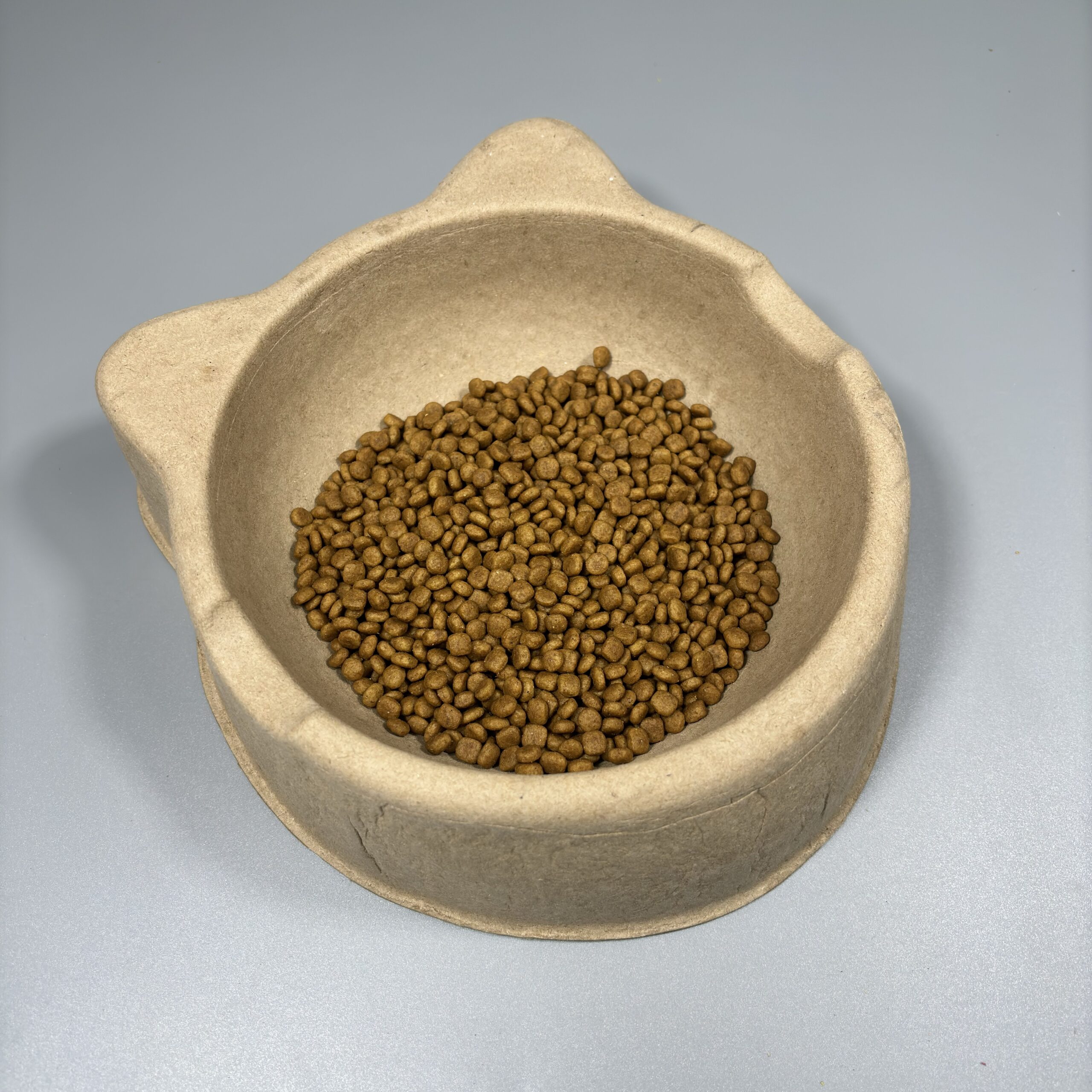
It is important to recognize the limits of dry-pressed molded pulp: while it delivers excellent rigidity, it is not suitable for applications requiring smooth, cosmetic finishes or fine surface detail.
Вопросы и ответы
What type of trays is this mold used for?
It is used for rigid dry-pressed molded pulp trays and inserts requiring structural strength.
Чем отличаются пресс-формы для сухого прессования от пресс-форм для мокрого прессования?
Dry-pressed tooling compresses fiber under heat and pressure, producing stiffer parts with rougher surface texture.
Can this mold be customized for different tray geometries?
Yes. Cavity depth, wall angles, and perimeter geometry are customized based on product and packing requirements.
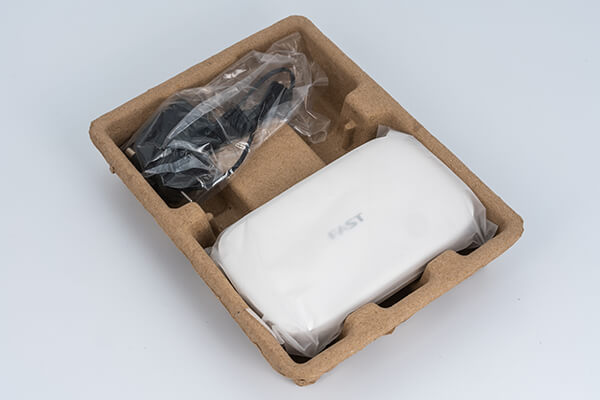
Подходит ли это для упаковки электроники?
Yes, especially for accessories or components where rigidity and organization are required.
What factors most affect final tray quality?
Fiber consistency, press temperature, compression control, and tooling accuracy all play major roles.
Запрос технического обзора или коммерческого предложения
If you are evaluating dry-pressed molded pulp tooling for rigid fiber trays and need realistic guidance on compression behavior, nesting performance, or production constraints, request a technical review or quotation to confirm suitability for your press line.
 Перейти к содержимому










 Russian
  English
  German
  Spanish
  French
  Japanese
  Portuguese
  Arabic