
Pulp moulding equipment is playing an essential role in modern labs, where sustainability and innovation are top priorities. Whether you’re working on biodegradable product development, material strength testing, or prototyping, this eco-friendly method of manufacturing is transforming the way labs create materials. This blog will explore how pulp moulding equipment can benefit labs, the process involved, and how it compares to other manufacturing methods. You’ll also find practical tips and resources to optimize your lab’s processes, including insights on Planta Equipo de moldeo de fibra, Biodegradable Molded Pulp Trays for Electronics, and Paper Pulp Moulded Trays.
Section 1: What is Pulp Moulding and How Does It Work?
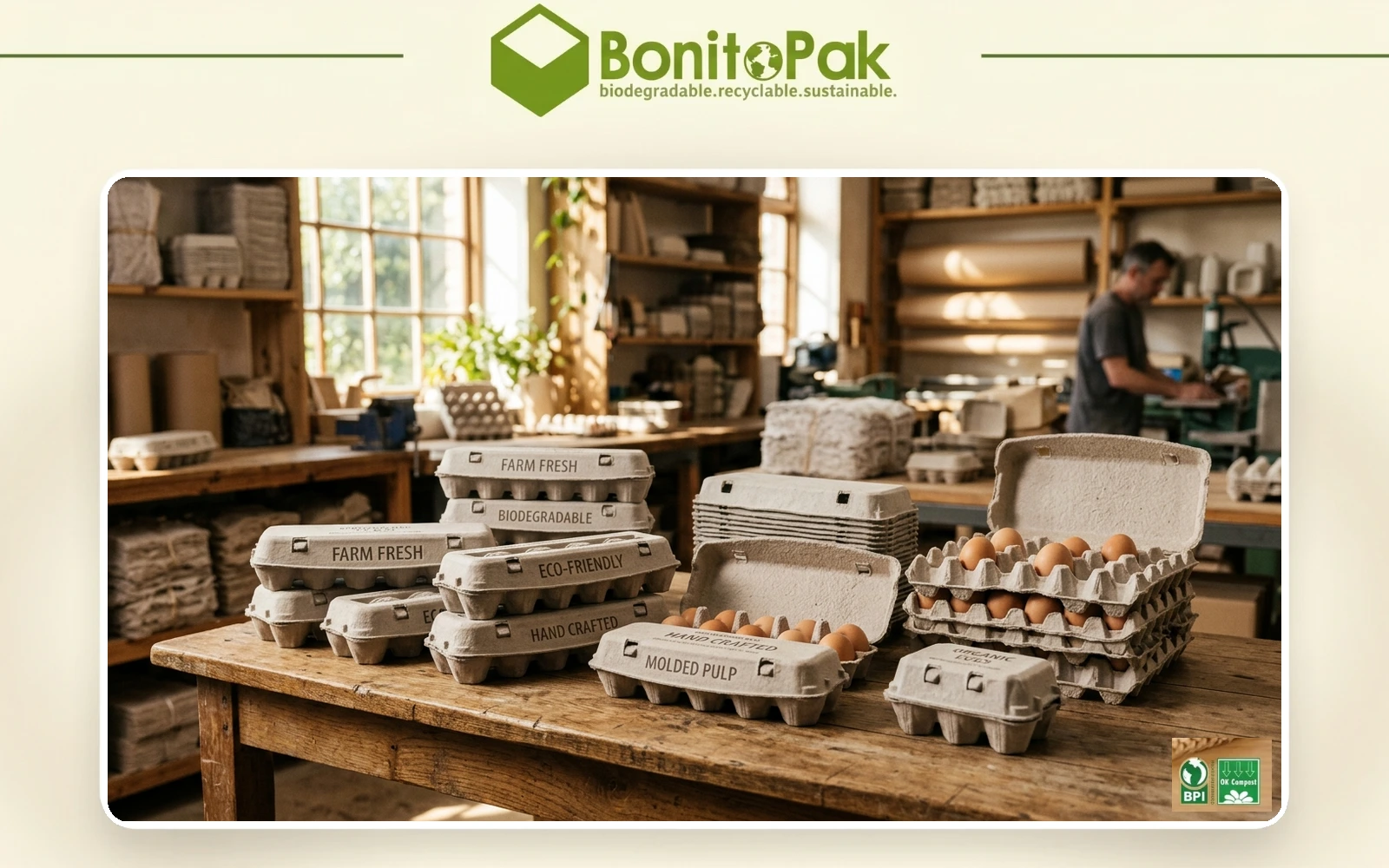
Pulp moulding is a process where fibrous materials, such as paper pulp or plant-based fibers, are shaped into specific forms using molds. It’s an efficient, eco-friendly alternative to plastic and other materials, offering a biodegradable option for product manufacturing.
Steps Involved in Pulp Moulding:
- Preparation: Recycled paper or other fibers are mixed with water to form a slurry.
- Moldeo: The slurry is placed into molds where it is shaped according to the product design.
- Secado: The molded material is dried to create a solid, durable product.
For lab environments, pulp moulding equipment enables the creation of prototypes, material testing products, or small-batch production runs for new products. Using equipment such as the Planta Equipo de moldeo de fibra allows labs to experiment with a variety of biodegradable materials while ensuring minimal environmental impact.
Section 2: Why Use Pulp Moulding Equipment in Labs?
In a lab setting, the benefits of pulp moulding go beyond eco-friendliness. It’s an adaptable process that meets a variety of needs, from creating custom prototypes to conducting material performance tests.
Key Applications in Labs:
- Creación de prototipos: Labs can use pulp moulding machines to produce small runs of custom designs for biodegradable products. This is especially useful for testing material properties, design feasibility, and production processes.
- Material Testing: By varying pulp composition, labs can test the performance of different fiber-based materials under different conditions, making pulp moulding ideal for experimenting with biodegradable packaging materials.
- Small-Batch Production: For labs working on sustainable packaging solutions, small-batch production allows for the quick creation of items like trays or packaging solutions without the need for large-scale equipment.
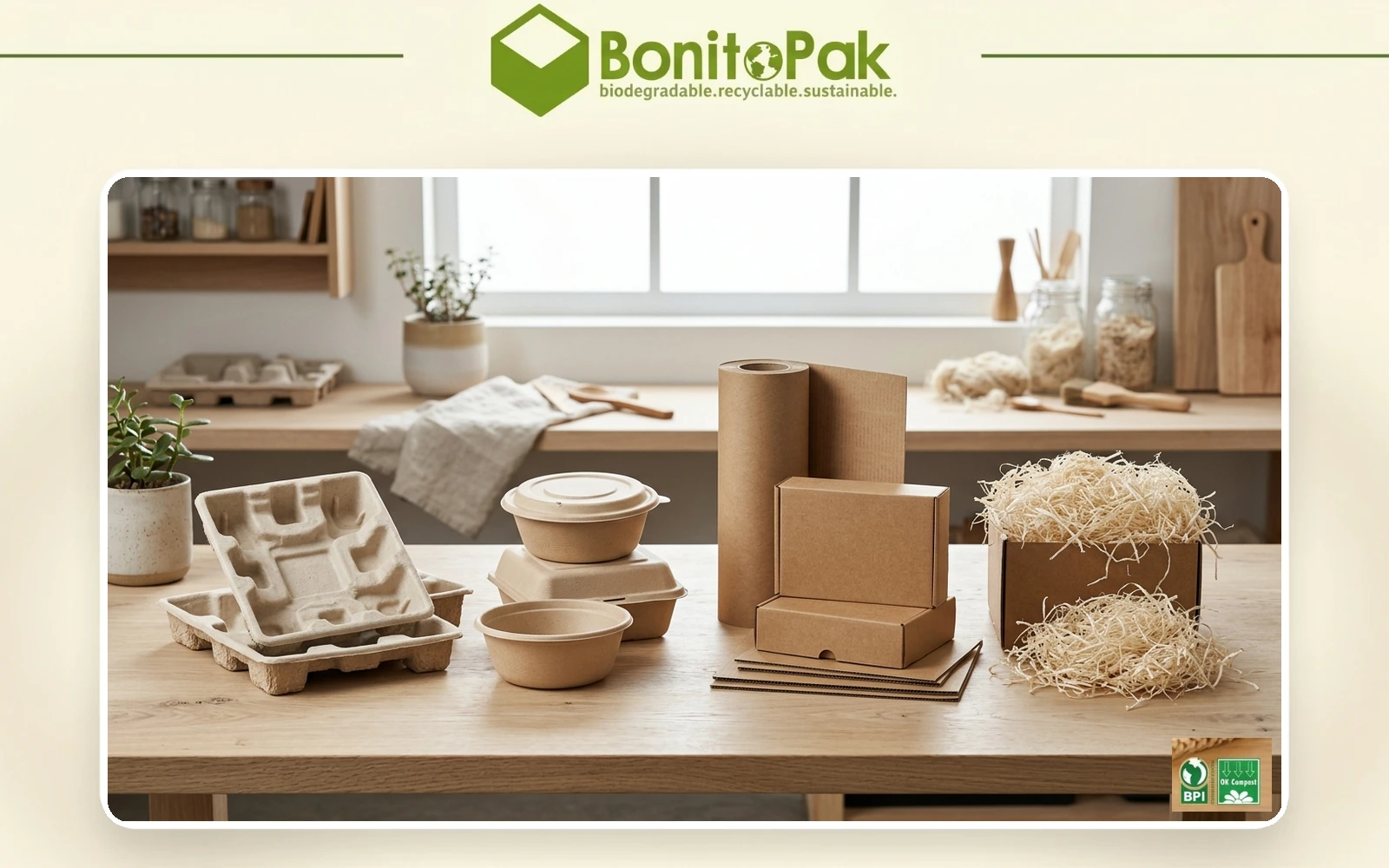
If your lab focuses on sustainable electronics packaging, check out how Biodegradable Molded Pulp Trays for Electronics provide a viable eco-friendly alternative for protecting sensitive equipment during shipping and handling.
Section 3: Choosing the Right Pulp Moulding Equipment for Your Lab
When selecting pulp moulding equipment for a lab, there are several factors to consider to ensure it meets your specific needs:
| Característica | Descripción | Ideal Use Case |
|---|---|---|
| Material Compatibility | Machines that handle various raw materials like plant fibers and recycled paper. | Labs working with different biodegradable materials. |
| Size & Capacity | The ability to produce small to medium batches. | Ideal for labs needing prototype production. |
| Personalización de moldes | Ability to create custom molds for different product shapes. | Labs that need highly specific designs for testing. |
| Eficiencia energética | Reduced power consumption during the molding process. | Labs looking to reduce energy costs while maintaining output. |
| Facilidad de uso | User-friendly interfaces for quick setup and operation. | Labs with limited technical expertise looking for an easy-to-use solution. |
Choosing the right equipment involves assessing both the scope of your lab’s needs and the materials you intend to work with. For instance, labs focused on creating Bandejas moldeadas de pasta de papel may need machines that specialize in compact molding and uniform material consistency.
Section 4: How Does Pulp Moulding Compare to Other Lab Manufacturing Methods?
Compared to other lab production methods like injection molding, pulp moulding offers several advantages:
- Rentable: Pulp moulding is significantly cheaper for small-scale and prototyping work, as it doesn’t require expensive molds or tooling.
- Ecológico: Unlike plastic or metal, pulp products are biodegradable, reducing your lab’s environmental footprint.
- Flexibility: Pulp moulding can accommodate a variety of materials, from recycled paper to agricultural fibers, making it a flexible choice for eco-friendly testing.
However, if your lab requires high precision or intricate designs that pulp moulding cannot achieve, other methods like injection molding may be more appropriate. Still, for many sustainable testing projects, pulp moulding provides an unmatched combination of affordability and eco-friendliness.
Section 5: Troubleshooting Common Pulp Moulding Issues in Labs
While pulp moulding is generally straightforward, labs may encounter a few issues, including:
- Inconsistent Mold Formation: Ensure the slurry is evenly mixed and molds are cleaned regularly.
- Long Drying Times: Try adjusting the drying temperature or humidity levels to speed up the process.
- Material Waste: Optimize material usage by adjusting slurry consistency to fill molds more efficiently.
These challenges can be overcome by fine-tuning your process, ensuring you have the right equipment for your lab’s specific needs.
Conclusión
Pulp moulding equipment offers a versatile, cost-effective solution for labs working on sustainable product development, material testing, and small-batch production. By selecting the right equipment, labs can efficiently create prototypes, conduct material strength tests, and experiment with eco-friendly packaging solutions.
FAQ’s
1. What are the best pulp moulding machines for lab use?
Depending on your lab’s needs, machines like the Planta Equipo de moldeo de fibra are excellent for handling a range of materials.
2. Can pulp moulding be used for electronics packaging?
Yes, Biodegradable Molded Pulp Trays for Electronics are ideal for this purpose, providing eco-friendly solutions to protect electronics during shipping.
3. How do I choose the right pulp moulding machine for my lab?
Look for machines that match your material needs, batch size, and flexibility. The Bandejas moldeadas de pasta de papel page can offer insights into equipment choices tailored for specific applications.