 Перейти к содержимому
Introduction: Why Molded Pulp Tooling Is the Foundation of Sustainable Packaging
As global industries shift toward sustainable packaging, molded pulp products have become a leading alternative to plastic and foam. However, behind every high-quality pulp tray, cup carrier, or protective insert is a precisely engineered mold. A molded pulp tooling manufacturer plays a critical role in transforming packaging concepts into functional, scalable, and cost-efficient production tools.
Molded pulp tooling determines the shape, structural strength, surface finish, drainage performance, and production efficiency of pulp products. Whether manufacturing egg trays, electronics packaging, industrial cushioning inserts, or food-service containers, the quality of the tooling directly impacts output consistency and product durability. For packaging companies, choosing the right tooling manufacturer is not just a technical decision—it is a long-term strategic investment.
What Does a Molded Pulp Tooling Manufacturer Do?
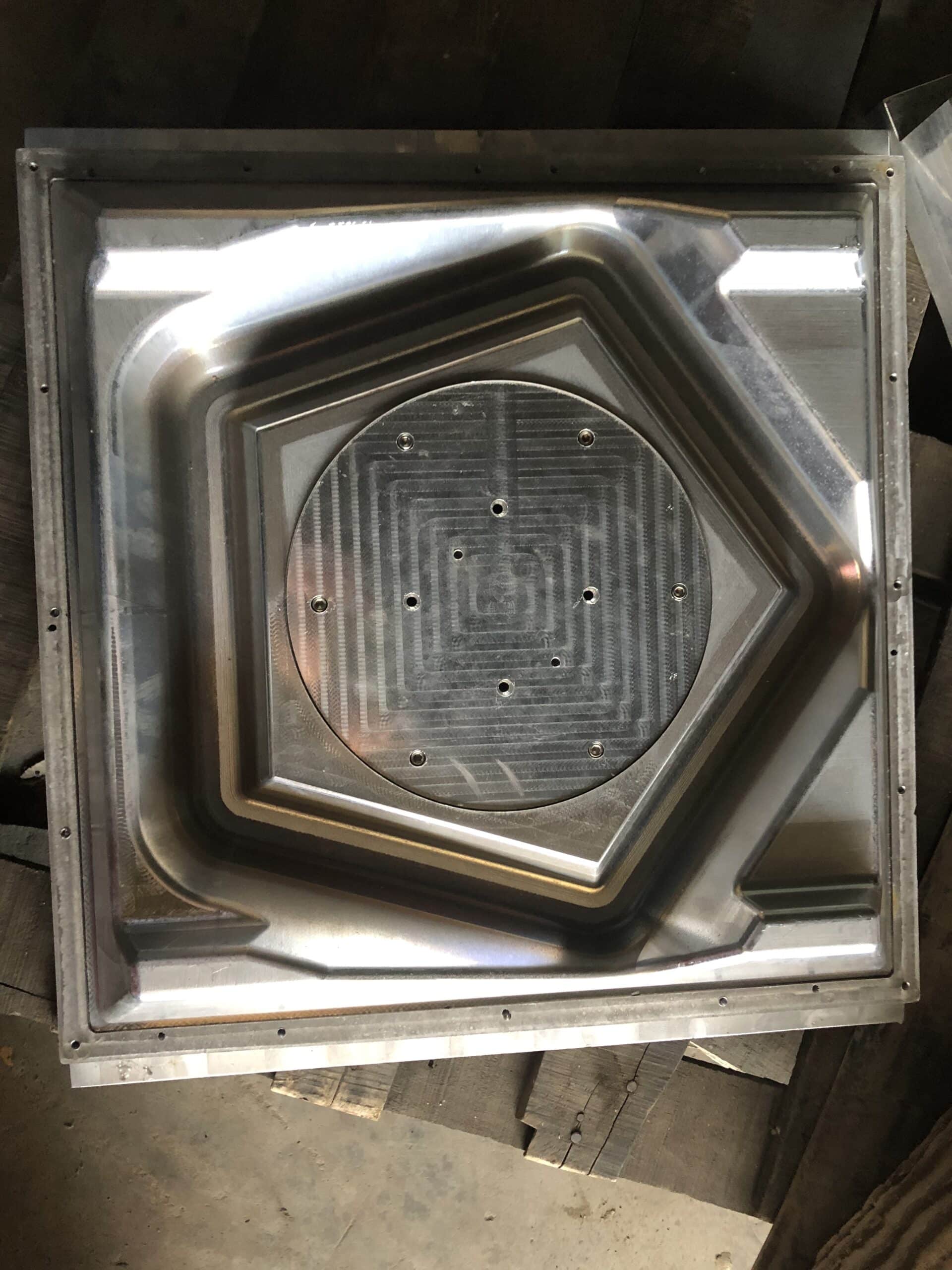
A molded pulp tooling manufacturer designs and produces the molds and forming tools used in pulp molding machines. These tools shape wet pulp slurry into finished products through vacuum forming, pressing, and drying processes.
The manufacturer’s responsibilities typically include:
- Product design evaluation and structural optimization
- 3D modeling and CAD engineering
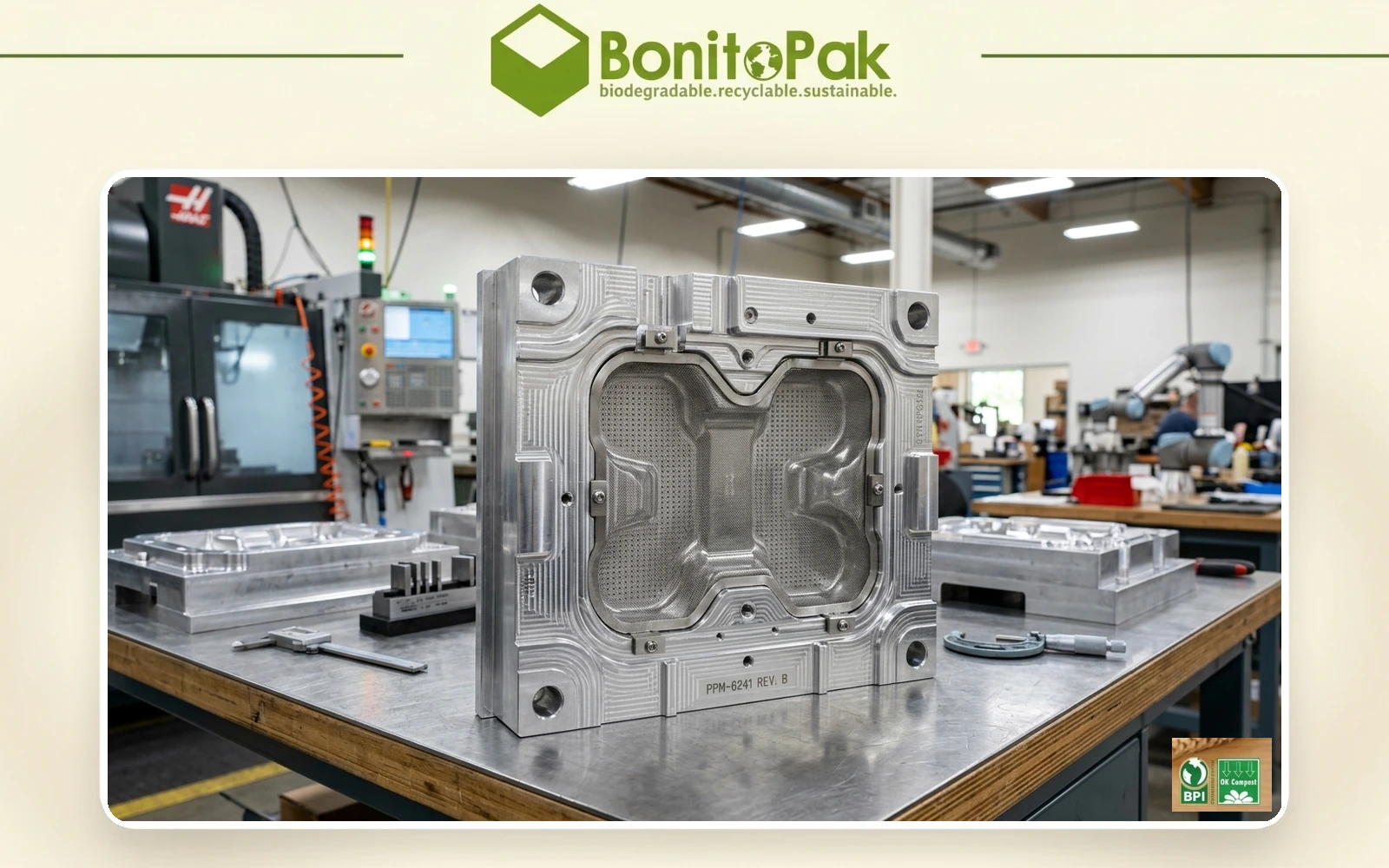
- CNC machining of mold components
- Surface finishing and mesh installation
- Tool testing and performance validation
- After-sales support and maintenance services
Because molded pulp products are formed through water drainage and vacuum suction, tooling must be engineered with precision. Drainage hole placement, mesh type, and cavity geometry directly affect forming time, product thickness, and drying efficiency. An experienced tooling manufacturer understands these technical variables and tailors each mold to the client’s production line and material type.
Types of Molded Pulp Tooling
Not all molded pulp tooling is the same. Depending on the product and production method, tooling manufacturers produce different mold categories.
Transfer Mold Tooling
Transfer molds are commonly used in high-volume production of items such as egg trays and fruit trays. In this process, pulp is first formed on a forming mold and then transferred to a secondary mold for drying. Tooling for this system must ensure accurate product release and consistent wall thickness.
Thermoformed (Fine Finish) Tooling
For high-end packaging such as electronics inserts or cosmetic packaging, thermoformed pulp tooling is used. These molds operate under higher pressure and temperature to achieve smooth surfaces and precise dimensions. The tooling requires extremely fine machining tolerances and high-quality aluminum or bronze materials.
Thick-Wall Tooling
Industrial packaging applications often require thick-wall pulp products. Tooling for thick-wall molds focuses on strength and durability rather than surface finish. These molds are typically more robust and optimized for heavier pulp concentrations.
Processed Pulp Tooling
Processed pulp tooling supports products that undergo additional pressing, trimming, or coating processes. These tools must be compatible with secondary finishing equipment and ensure dimensional stability throughout the production cycle.
Each tooling type requires a different engineering approach, making it essential to work with a manufacturer that understands your specific application and production goals.
Materials Used by Molded Pulp Tooling Manufacturers
Tooling durability and performance depend heavily on material selection. Reputable molded pulp tooling manufacturers typically use:
Aluminum: Lightweight, corrosion-resistant, and easy to machine. Aluminum molds are common for thermoformed pulp tooling requiring fine detail.
Bronze or Brass: Used in high-wear environments due to excellent durability and thermal conductivity.
Stainless Steel Components: Often used for structural frames or reinforcement parts that must resist corrosion from constant water exposure.
Mesh Screens (Stainless Steel or Copper): Installed over mold cavities to allow water drainage while retaining pulp fibers. Mesh quality significantly impacts product surface texture and forming efficiency.
Material selection affects tooling lifespan, maintenance frequency, and overall production efficiency. A knowledgeable manufacturer evaluates production volume, pulp type, and machine compatibility before recommending materials.
The Molded Pulp Tooling Design Process
A professional molded pulp tooling manufacturer follows a structured engineering process to ensure optimal performance.
The process begins with product analysis and feasibility review. Engineers examine the packaging design to assess wall thickness, draft angles, drainage feasibility, stacking requirements, and load-bearing strength. Adjustments may be recommended to improve manufacturability and reduce cycle time.
Next, 3D CAD modeling and simulation are performed. Digital simulations allow manufacturers to analyze pulp flow, vacuum efficiency, and structural integrity before machining begins. This stage reduces costly revisions later.
Once approved, CNC machining and precision drilling shape the mold cavities. Drainage holes are carefully positioned to balance fiber distribution and water removal. Mesh screens are then installed and tensioned correctly to prevent deformation during forming.
Before delivery, tooling undergoes trial production testing. The manufacturer tests forming quality, product release, and cycle time. Any necessary refinements are made to ensure the tool performs consistently under real production conditions.
This systematic approach ensures that the tooling integrates seamlessly into the client’s molded pulp production line.
Key Qualities of a Reliable Molded Pulp Tooling Manufacturer
Choosing the right manufacturer requires evaluating more than just price. Several critical factors determine reliability and long-term value.
Experience in molded pulp engineering is essential. Manufacturers with years of industry expertise understand pulp behavior, fiber distribution, and vacuum dynamics.
Advanced machining capabilities, including multi-axis CNC equipment, ensure high precision and consistency.
Strong R&D support demonstrates the ability to optimize product design for strength, material savings, and faster cycle times.
Clear communication and design collaboration help avoid costly misunderstandings.
After-sales service and spare parts availability reduce downtime and extend tooling life.
A trusted molded pulp tooling manufacturer acts as a technical partner, not just a supplier.
Соображения по поводу стоимости
Tooling costs vary depending on complexity, size, and material. Simple egg tray molds may range from a few thousand dollars, while precision thermoformed tooling for electronics packaging can reach significantly higher investment levels.
Factors influencing cost include:
- Product complexity and cavity count
- Tool material (aluminum vs. bronze)
- Surface finish requirements
- Production capacity and automation level
- Customization and secondary processing compatibility
Although high-quality tooling may require a larger upfront investment, it reduces long-term costs by improving cycle efficiency, minimizing rejects, and extending mold lifespan.
Maintenance and Lifespan
Proper maintenance ensures tooling longevity. Molded pulp tooling manufacturers typically recommend regular cleaning to remove fiber buildup, inspection of mesh screens for wear, and monitoring drainage hole performance.
Routine maintenance prevents uneven thickness, poor surface finish, and product deformation. With proper care, high-quality tooling can operate efficiently for years, even in high-volume production environments.
The Growing Demand for Molded Pulp Tooling
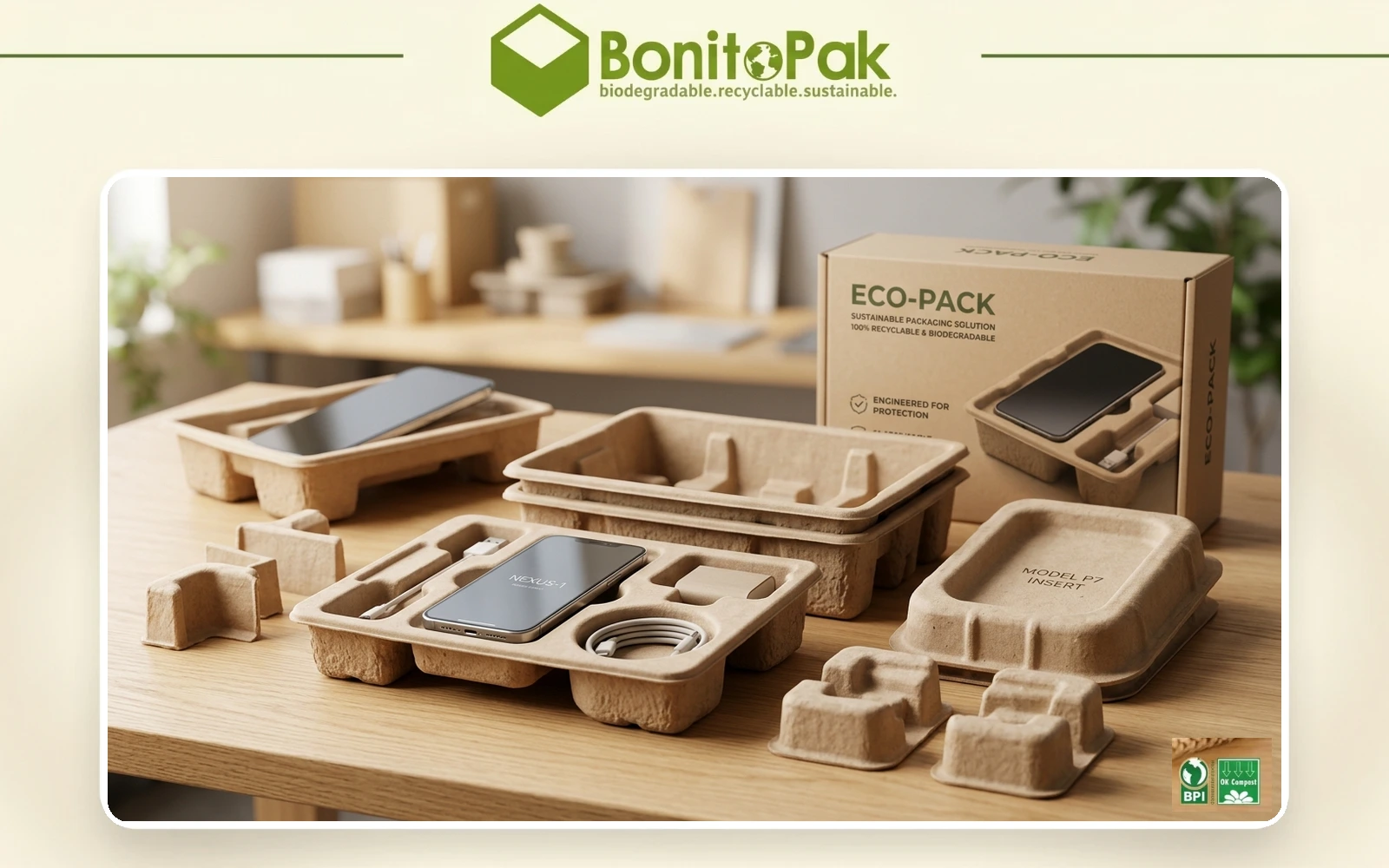
As global regulations limit single-use plastics and consumer demand for sustainable packaging rises, molded pulp production continues to expand. Industries such as electronics, food service, healthcare, and industrial manufacturing increasingly rely on molded fiber packaging solutions.
This shift drives demand for advanced tooling capable of producing stronger, lighter, and more aesthetically refined pulp products. Modern molded pulp tooling manufacturers are investing in automation, digital simulation, and precision engineering to meet these evolving standards.
Заключение
A molded pulp tooling manufacturer plays a central role in the success of sustainable packaging production. From product design and CAD engineering to CNC machining and production testing, tooling quality directly affects product strength, efficiency, and profitability.
By selecting an experienced manufacturer with strong engineering capabilities, high-quality materials, and reliable after-sales support, packaging producers can ensure long-term operational success. As molded pulp continues to replace plastic across industries, investing in precision tooling is not just a manufacturing decision—it is a strategic step toward sustainable innovation and competitive advantage.




 Russian
  English
  German
  Spanish
  French
  Japanese
  Portuguese
  Arabic