
Введение
Если вы ищете ротационная формовочная машина, Скорее всего, вы находитесь на этапе, когда производственный спрос растет, но ваша текущая установка испытывает трудности с производительностью, трудозатратами или постоянством. Может быть, ваши лотки с формованной целлюлозой выглядят хорошо в одни смены, но не в другие. А может быть, узким местом является вовсе не формование, а обработка, укладка, сушка и постоянные микропровалы, которые незаметно снижают реальную производительность.
Ротационная формовочная машина популярна в производстве формованной целлюлозы, потому что она создана для непрерывного ритма производства: формы вращаются, проходя циклы формования и переноса в повторяющейся системе. Но вот та часть, которую многие блоги пропускают: Вращение не означает автоматического “лучше”.” Она выигрывает, когда ваш ассортимент продукции, стратегия формования и системы последующей обработки (особенно сушка и укладка) соответствуют сильным сторонам машины.
В этом руководстве вы узнаете, что такое Роторная формовочная машина для целлюлозы что это такое, как работает, куда лучше всего подходит, что влияет на реальную производительность и как избежать дорогостоящих ошибок при покупке.
Что такое ротационная формовочная машина?
A ротационная формовочная машина (в производстве формованной целлюлозы) - это конфигурация машины, в которой формы движутся во вращающейся последовательности через этапы формования и передачи. Вместо движения "старт-стоп" с большими паузами между циклами, роторные системы разработаны для поддержания устойчивого ритма и повторяющегося времени.
С практической точки зрения, роторная установка помогает поддерживать постоянное формирование деталей, сократить время простоя между циклами и стабилизировать линию при масштабировании производства. Именно поэтому ротационное формование часто рассматривается при переходе от “мелкосерийного производства” к “промышленным масштабам” выпуска формованной целлюлозы.
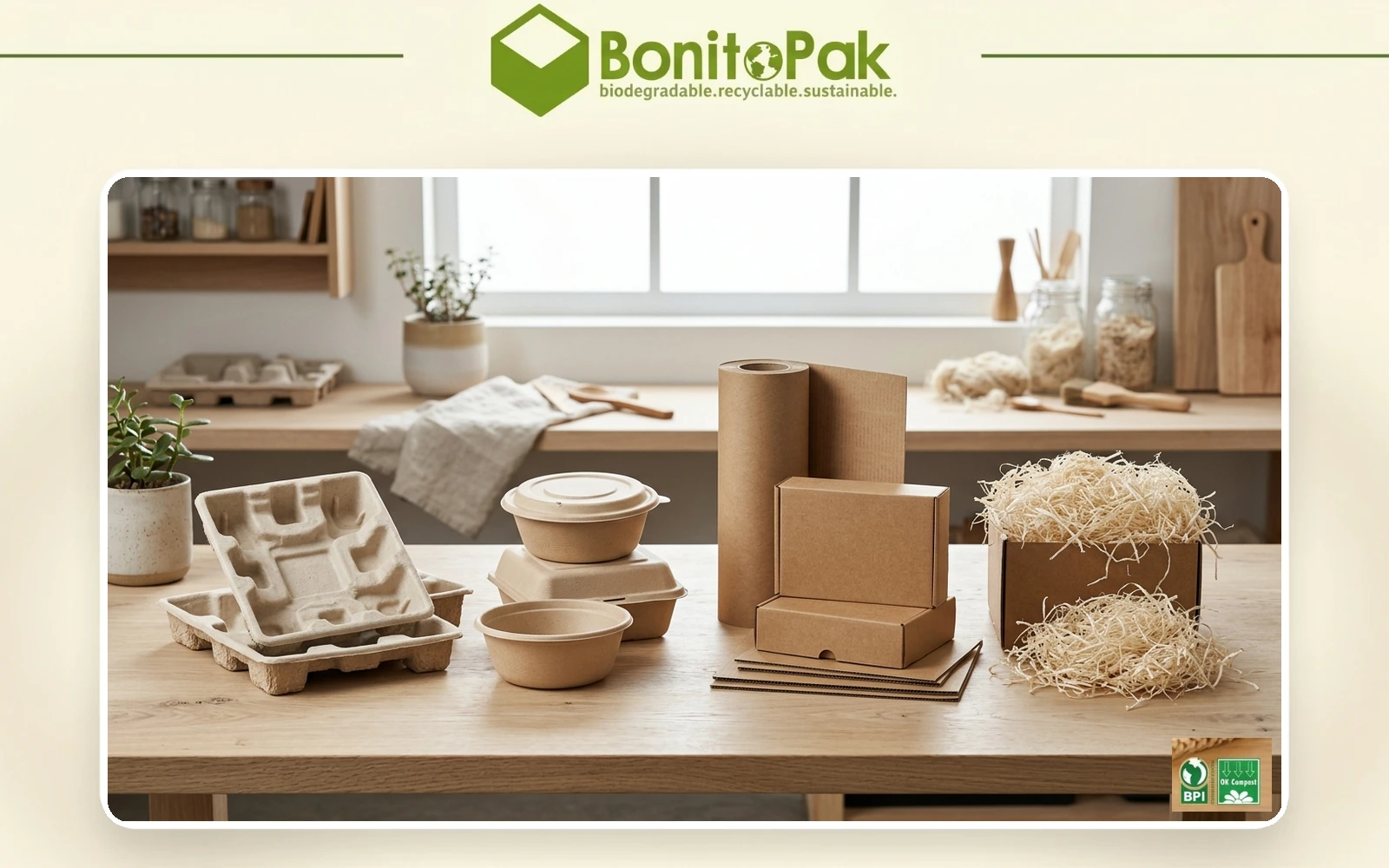
Но чтобы понять, почему ротационная обработка хорошо работает для одних продуктов и не работает для других, необходимо обратить внимание на тип формованной целлюлозы, которую вы производите. Толстостенная прокладочная упаковка, лотки для трансферного формования, термоформованная целлюлоза и переработанная целлюлоза ведут себя по-разному при обезвоживании, высвобождении и сушке. Именно поэтому классификация продукции имеет значение формованная целлюлоза.
Как работает ротационная формовочная машина (шаг за шагом)
Большинство покупателей сосредоточены на “мощности” машины. Опытные руководители предприятий сосредотачиваются на стабильность процесса, Потому что именно это определяет производительность и процент брака.
Вот упрощенная схема производства:
1) Подготовка целлюлозы
Макулатура или первичное волокно смешиваются в суспензию с контролируемой консистенцией. Это важнее, чем кажется - если консистенция суспензии меняется, то меняется и толщина детали, скорость слива и поведение разгрузки.
2) Стадия формирования
Форма (часто с помощью вакуума) притягивает волокно к своей поверхности и формирует форму. Роторные системы поддерживают постоянное время, что помогает стабилизировать толщину и повторяемость.
3) Стадия переноса
Деталь переносится из формы для формования в передаточную форму или на этап обработки. Именно здесь происходит много поломок, если влажность слишком высока, края слишком тонкие или разделение непостоянно.
4) Интеграция сушки и отделки
Некоторые предприятия интегрируют сушку в линию, другие перемещают штабеля в сушилки. В любом случае, Производительность сушки должна соответствовать производительности формования-В противном случае скорость вращения становится бессмысленной, поскольку линия отходит назад.
Почему ротационные формовочные машины используются в производстве формованной целлюлозы
Роторные системы выбирают в основном по трем причинам:
Постоянный ритм производства
Когда пресс-формы вращаются в заданной последовательности, процесс формовки становится предсказуемым. Это уменьшает небольшие несоответствия между циклами и помогает операторам поддерживать стабильные настройки.
Более высокая масштабируемая пропускная способность (когда линия сбалансирована)
Роторная машина может поддерживать более высокую постоянную производительность, чем многие конфигурации с остановкой старта. Но только в том случае, если подготовка, сушка и обработка целлюлозы не будут отставать.
Лучшая стандартизация для покупателей
Если вы продаете упаковку из формованной целлюлозы для пищевых брендов или на экспорт, вы, скорее всего, столкнетесь с более жесткими требованиями к размерам, вложенности, однородности поверхности и прочности. Роторная формовочная машина для целлюлозы Хронометраж помогает уменьшить “разброс от смены к смене”, что является скрытой проблемой, которую многие заводы недооценивают.
Лучшие области применения ротационной формовочной машины
Системы ротационного формования обычно имеют смысл, когда:
- Вы бежите повторяющиеся SKU со стабильным спросом
- Вы стремитесь к увеличение объемов производства
- Ваши потребности в продукции повторяющееся поведение при вложении и укладке
Примерами распространенных изделий являются формованные лотки для целлюлозы, раковины, подставки для стаканов, вкладыши для электроники и защитная упаковка, которые выигрывают от стабильной повторяемости формы.
Если ваш бизнес постоянно меняет SKU, ротационный способ может работать, но вы должны тщательно планировать стратегию оснастки, поскольку частая смена пресс-форм снижает преимущество постоянного ритма цикла.
Что влияет на реальный объем производства (а не на “объявленную мощность”)
Вот что обычно ограничивает выпуск продукции на реальных заводах:
Время дренажа и осушения
Если дренаж волокна медленный, линия не может ускориться, не вызывая слабых участков или разрывов.
Стабильность разделения формы
Машина может быть идеальной, но если детали прилипают или выходят неравномерно, линия останавливается. Состояние поверхности пресс-формы, химический состав пульпы и чистота - все это имеет значение.
Производительность сушки
Сушка часто является настоящим узким местом. Если сушилка не справляется с потоком, скорость вращения не имеет значения - система работает вхолостую.
Потери при транспортировке и укладке
Многие заводы теряют производительность не во время формовки, а при снятии, укладке и перемещении деталей, пока они еще влажные.
Именно поэтому сочетание ротационного формования с эффективными системами последующей обработки имеет решающее значение для обеспечения устойчивого масштаба.
Сравнительная таблица: Роторная система по сравнению с другими распространенными вариантами формованной целлюлозы
| Фактор | Роторная формовочная машина | Традиционное формование "стоп-старт | Ручные/базовые полуавтоматические линии |
|---|---|---|---|
| Лучшее для | Большие объемы повторяющихся SKU | Среднесерийное, гибкое производство | Малая громкость / запуск |
| Стабильность выходного сигнала | Высокий (устойчивый ритм) | Средний | Низкий-средний |
| Трудовая зависимость | Нижний | Средний | Высокий |
| Чувствительность к отклонениям | Ниже, если настроен | Средний | Высокий |
| Гибкость переналадки | Средний | Средне-высокий | Высокий |
| Требуется сильная интеграция сушки | Да | Да | Иногда |
Как правильно выбрать ротационную формовочную машину (рамки покупателя)
Вместо того чтобы спрашивать поставщиков: “Каковы ваши возможности?”, воспользуйтесь этой схемой:
1) Правильно определите целевой результат
Попросите обеспечить стабильную производительность за смену, включая чистку, обслуживание, брак и переналадку. Машина, которая производит “высокую производительность в течение 20 минут”, - это не то, что вам нужно.
2) Подтвердите работоспособность и заводскую готовность
Многие установки не удаются или задерживаются из-за инженерных коммуникаций: электропитания, воды, воздуха, сточных вод и доступа к площади. Покупатели часто не обращают на это внимания до прибытия машины.
3) Оцените стратегию оснастки
От подхода к пресс-форме зависят эксплуатационные расходы. Вы должны спросить о:
- Срок службы пресс-формы и график технического обслуживания
- циклы очистки
- время переключения
- требования к запасным пресс-формам
4) Попросите предоставить метрики приемочных испытаний
Серьезный поставщик согласится на достижение измеримых целей:
- диапазон толщины
- допуск на размеры
- процент брака
- Устойчивость штабеля и гнездование
Распространенные ошибки при покупке ротационной формовочной машины
Этот раздел имеет большое значение, поскольку позволяет покупателям сэкономить реальные деньги.
Ошибка 1: Покупка на основе пиковой мощности
Пиковые показатели часто не учитывают реальное время простоя, брак и ограничения по сушке. Всегда сравнивайте устойчивая производительность.
Ошибка 2: Игнорирование узких мест при сушке и постформировании
Если сушка не успевает, вы создадите отставание, которое заставит роторную машину замедлиться в любом случае.
Ошибка 3: Не определять стандарты продукта заранее
Заводы часто проводят испытания машины и “чувствуют себя хорошо”, но никогда не определяют стандарты прохождения/непрохождения испытаний, такие как допуск на толщину, производительность штабеля или стабильность раскроя. Впоследствии это приводит к спорам.
Ошибка 4: Недооценка ухода за плесенью
Формы изнашиваются, засоряются и теряют производительность. Если не предусмотреть интервалы между чистками и запасные инструменты, выпуск продукции будет постепенно снижаться.
Ошибка 5: Относитесь к подготовке целлюлозы как к простому шагу
Подготовка целлюлозы - это не просто “смешать бумагу и воду”. Консистенция, добавки и химический состав воды влияют на все последующие процессы.
Практические советы по оптимизации после установки (для защиты рентабельности инвестиций)
После установки ротационной формовочной машины необходимо обеспечить стабильную производительность в течение нескольких месяцев, а не только в первую неделю.
Сосредоточьтесь на:
- поддержание стабильной консистенции пульпы от смены к смене
- документирование “золотых настроек” для каждого SKU
- Планирование очистки пресс-форм до снижения производительности
- ежедневное отслеживание брака по причинам (разрыв, деформация, короткая форма, деформированные края)
- Обеспечение аккуратной укладки и переноса, пока детали еще влажные
Эти маленькие привычки позволяют добиться больших успехов в реальной производительности.
Заключение
A ротационная формовочная машина может стать выгодной инвестицией для производителей формованной целлюлозы, которым нужна стабильная и масштабируемая производительность. Но она приносит максимальную пользу только в том случае, если вы правильно подберете категорию продукции, стратегию формования и возможности последующей сушки и обработки.
Если вы прямо сейчас оцениваете роторные решения, начните с этой страницы, чтобы узнать подробности о варианте на уровне поставщика: Роторная формовочная машина для целлюлозы.