 Перейти к содержимому
Введение
Спрос на экологичную упаковку побудил многие бренды перейти на использование формованной целлюлозы в качестве одной из ведущих экологически безопасных альтернатив пластику и пенопласту. Однако для многих производителей то, что начинается как простая идея “Давайте создадим компостируемую упаковку”, быстро превращается в сложную задачу, когда приходится сталкиваться с сам процесс и оборудование необходимо для превращения вторичного волокна в упаковку, готовую к производству.
Из этого руководства вы узнаете, как изготавливается упаковка из формованной целлюлозы от начала до конца, какое специализированное оборудование используется на каждом этапе, а также как дизайн и инструментальная оснастка влияют на качество, эксплуатационные характеристики и масштабируемость. Вы получите практическое представление о процессе производства формованной целлюлозной упаковки — от концепции и приготовления суспензии до формования, сушки, отделки и контроля качества — что позволит вам принимать обоснованные решения при реализации вашего следующего проекта по созданию упаковки.
Что такое формованная целлюлоза?
По сути, формованная целлюлоза (также известная как формованное волокно) представляет собой упаковочный материал, получаемый путем переработки волокнистого сырья, такого как макулатура, багасса сахарного тростника, бамбук или другие натуральные волокна, в трехмерную форму, которая обеспечивает эффективную и экологичную защиту и презентацию продукции.
В отличие от обычного пластика, формованная целлюлоза подвергается биологическому разложению, подходит для компостирования и зачастую изготавливается из отходов потребления, что позволяет совместить эксплуатационные характеристики упаковки с экологической ответственностью. Именно эта экологическая особенность является одной из причин, по которой компании из сферы электроники, пищевой промышленности и производства потребительских товаров все чаще выбирают упаковочные решения из формованной целлюлозы.
Чтобы понять процесс производства формованной целлюлозы, нужно начать с материалы и дизайн, ведь то, как вы придаете изделию форму, обрабатываете его и проводите отверждение, зависит как от материала, из которого оно изготовлено, так и от его конструкции. В следующем разделе подробно рассмотрен пошаговый процесс, применяемый ведущими производителями.
Этап 1: Проектирование и изготовление инструментов — воплощение идеи в серийное производство
Создание любого успешного изделия из формованной целлюлозы начинается задолго до того, как запустятся станки. Все начинается с BonitoPak проектирование и изготовление оснастки — этап, на котором инженеры воплощают требования к упаковке в формы, пригодные для производства. Этот этап выходит далеко за рамки эстетики: от него зависят прочность, точность посадки, эксплуатационные характеристики и технологичность производства.
На странице «Дизайн и изготовление пресс-форм» компании BonitoPak показано, как профессиональная команда работает на всех этапах — от первоначальной концепции до создания прототипов и изготовления производственных пресс-форм, уделяя особое внимание точности, инженерным возможностям и процессу итерации.
Почему дизайн имеет значение
Прежде чем приступить к смешиванию или вакуумной обработке целлюлозы, проектировщики:
- Оценить потребности в защите продукта
- Проанализировать геометрию конструкции и свойства материалов
- Проанализируйте, как ориентация волокон, толщина стенок и динамика вакуума повлияют на результат
Используя средства САПР, такие как SolidWorks или Creo, они создают подробные чертежи, на которые могут непосредственно опираться специалисты по изготовлению пресс-форм. Без этой подготовительной работы возникает риск получения пресс-форм с неравномерной толщиной стенок, слабыми местами или проблемами с технологичностью.
Оборудование: сердце линии по производству формованной целлюлозы
Инструментарий состоит из изготовленных на заказ форм и приспособлений, которые определяют форму и эксплуатационные характеристики готовой детали. Несколько этапов, включающих BonitoPak может потребовать изготовления специального оборудования:
- Формовочная матрица: Формирует из шлама
- Форма для термоформования: Обеспечивает придание окончательной прочности под воздействием тепла и давления
- Штамп для высечки: Обрезает и выравнивает края после высыхания
Команда специалистов по изготовлению пресс-форм компании BonitoPak использует технологии ЧПУ и такие материалы, как высококачественный алюминий, медь или сталь, чтобы обеспечить долговечность и точность производственных пресс-форм.
Особое внимание к надежности инструментов имеет особое значение, поскольку изделия из формованной целлюлозы часто требуют стабильного качества на протяжении тысяч или миллионов циклов производства.
Шаг 2: Подготовка целлюлозы — превращение волокон в суспензию
После того как инструменты и технологическая схема готовы, следующим этапом становится преобразование сырого волокна в технологически обработанную суспензию. В состав выбранного сырья могут входить макулатура, багасса (побочный продукт переработки сахарного тростника) или пшеничная солома, смешанные с водой для получения однородной массы.
На данном этапе:
- Волокно смешивается до достижения требуемой консистенции
- Могут добавляться добавки для повышения прочности, водостойкости или придания цвета
- Контроль качества обеспечивает стабильность качества от партии к партии
Суспензия должна иметь однородную консистенцию и быть свободной от примесей, поскольку любые отклонения приведут к появлению дефектов в формованном изделии.
Шаг 3: Формование — придание формы
Формование — это процесс, при котором целлюлозная суспензия попадает в форму. С помощью вакуумной и всасывающей технологии вода удаляется, а волокна притягиваются к поверхностям формы и удерживаются на них, образуя нужную форму.
В этот момент проектирование пресс-формы Это напрямую влияет на качество продукции: плавные переходы, рациональные углы схода и правильное распределение волокон — всё это является результатом грамотно разработанного инструмента. Как описано в технологическом процессе BonitoPak, этот этап может осуществляться различными способами в зависимости от стратегии изготовления пресс-форм и производственных целей.
Основным результатом формования является деталь, сформированная в влажном состоянии который сохраняет свою форму, но при этом содержит значительное количество влаги. Это промежуточное состояние требует дальнейшей обработки для придания материалу прочности.
Этап 4: Термоформование и сушка — повышение прочности
После формирования целлюлозы она ещё не является готовым продуктом. В ней по-прежнему содержится слишком много воды, и она имеет слабую структуру. Именно на этом этапе термоформование и термопрессование играют решающую роль.
Детали, сформированные мокрым способом, поступают на термопрессы, где:
- Под действием регулируемого давления волокно сжимается
- Тепло ускоряет отвод воды
- Связи между волокнами укрепляются
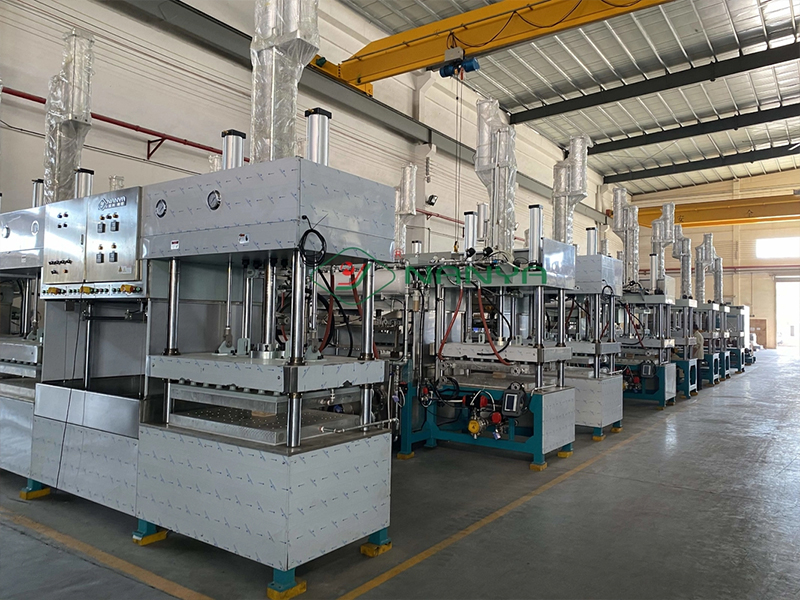
При влажном прессовании лотков из формованной целлюлозы этот этап позволяет быстро удалить воду, одновременно обеспечивая заданную толщину и целостность структуры. Термоформовочные прессы способны создавать усилие в несколько тонн и обеспечивать точные температурные режимы для равномерной сушки целлюлозы. (BonitoPak)
В некоторых технологических процессах вместо термоформования может применяться прямая сушка (например, в печах с горячим воздухом или на конвейерных сушильных установках), особенно при изготовлении изделий большей толщины или сложной формы.
Шаг 5: Тестирование и доработка — проверка качества перед отправкой
После сушки и первичной формовки изделия еще не готовы к отгрузке заказчикам. Большинство производственных операций включают в себя тщательные испытания и этапы отделки, такие как BonitoPak:
- Проверка: Выборочная проверка плотности, прочности и консистенции
- Высечка: Точная обрезка с соблюдением допусков
- Заключительный контроль качества: Проверка функциональных и эстетических характеристик
Рабочий процесс компании BonitoPak включает в себя контроль по стандарту 100% после высечки, чтобы гарантировать соответствие продукции проектным требованиям и ожиданиям заказчика перед упаковкой для отправки.
Такое внимание к контролю качества демонстрирует, как системы управления качеством позволяют снизить риски и сократить отходы — что имеет решающее значение в сфере упаковки, где важны эксплуатационные характеристики.
Виды формованной целлюлозы
Выбранный вами процесс производства формованной целлюлозы и соответствующее оборудование будут зависеть от тип продукта которые вы производите. BonitoPak классифицирует формованную целлюлозу по отдельным типам, каждый из которых предназначен для конкретных областей применения.
К четырём основным категориям формованной целлюлозы относятся:
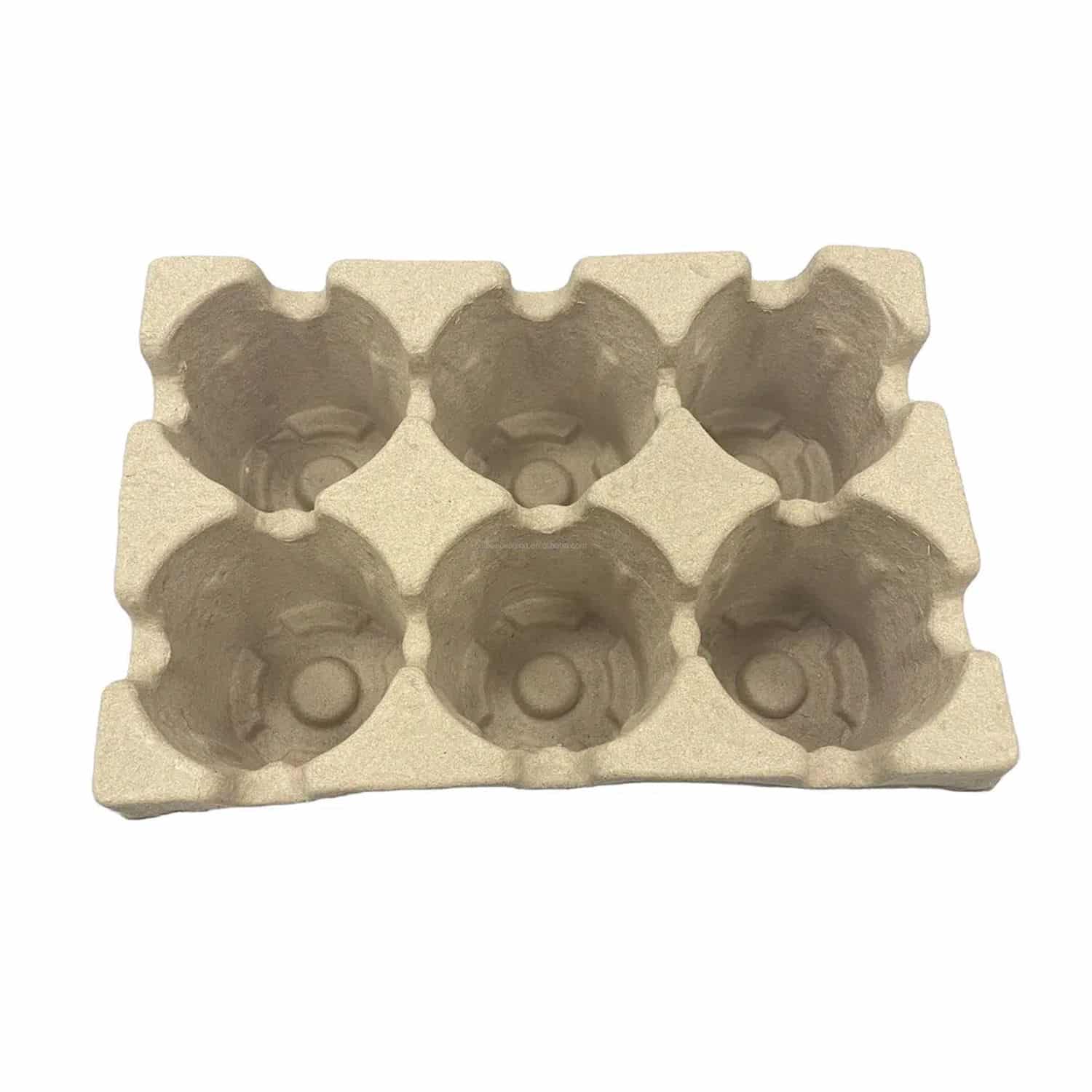
- Литая целлюлоза с толстыми стенками: Прочный и идеально подходящий для амортизации и защиты
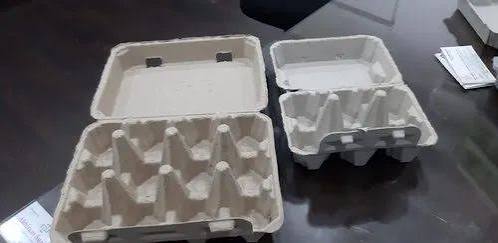
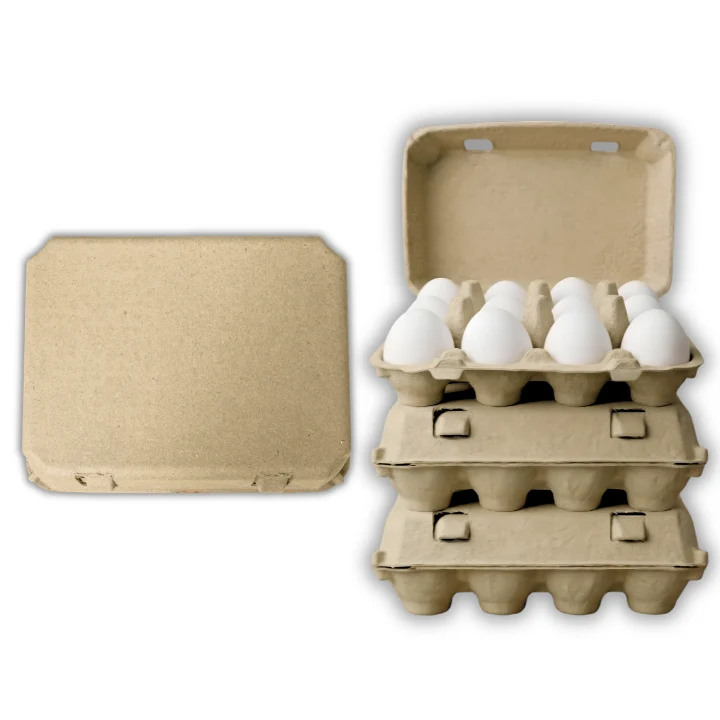
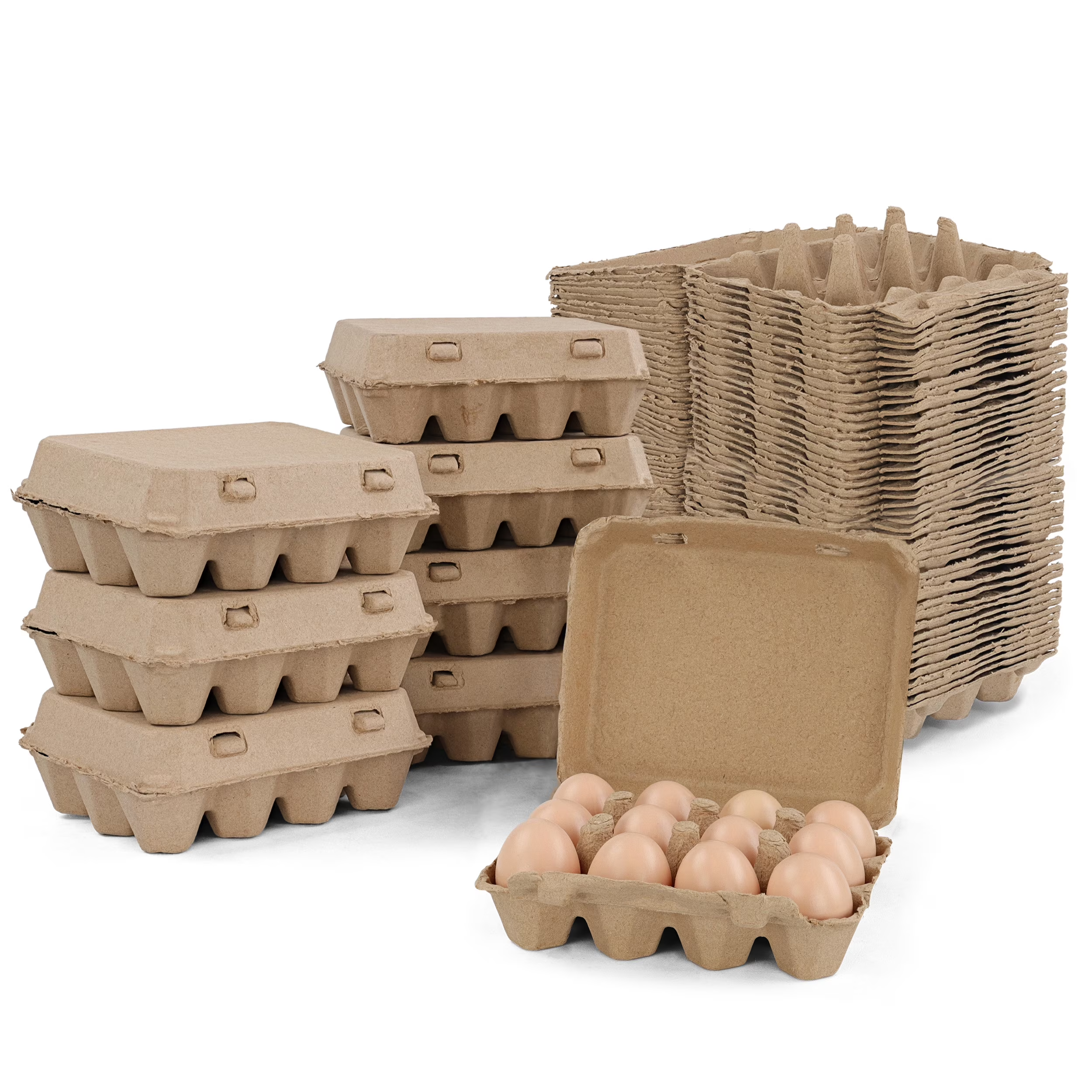
- Формованная целлюлоза, полученная методом литья: Часто используется для яичных лотков и лотков для овощей и фруктов
- Термоформованное волокно: Гладкая поверхность и высокая детализация
- Переработанная целлюлоза: Повышение эстетического качества потребительских товаров
Знание этих типов помогает согласовать приоритеты технологического процесса — такие как формовочное оборудование, методы сушки и инструменты для финишной обработки — с требованиями к продукции.
Оборудование «за кулисами»
На протяжении всего этого процесса для воплощения идеи производства формованной целлюлозы в жизнь необходимы несколько категорий оборудования:
- Системы смешивания и измельчения: Приготовить однородную волокнистую суспензию
- Формовочные машины: Вакуумные системы и формовочные платформы
- Прессы для прессования и термоформования: Единицы измерения температуры и давления для расчета прочности
- Инструменты для высечки: Оборудование для прецизионной обрезки
- Инструменты для проверки и тестирования: Оборудование и приборы для контроля качества
Каждое семейство оборудования выполняет свою функцию по превращению сырья в готовую упаковку, которая обеспечивает защиту, привлекательный внешний вид и функциональность — зачастую в промышленных масштабах.
Практические рекомендации для производителей
Если вы планируете начать производство формованной целлюлозы или модернизировать существующую линию, крайне важно не ограничиваться лишь основными преимуществами в плане экологической устойчивости. Оцените следующие аспекты:
- Опыт в области проектирования и возможности по изготовлению инструментов — это определяет предельный уровень вашей производительности
- Совместимость оборудования с типами продукции — толстостенный против тонкостенного
- Повторяемость производства и контроль качества — проверка не менее важна, чем формирование
- Стратегия масштабирования — модульное оборудование и гибкость проектирования снижают риски
Производители, обладающие сильным потенциалом в области проектирования и современным оборудованием для литья, имеют больше возможностей для внедрения инноваций и эффективного удовлетворения потребностей клиентов.
Заключение
Технология производства формованной целлюлозы и соответствующее оборудование являются основой экологически устойчивого производства упаковки. На каждом этапе — от проектирования и изготовления пресс-форм до размола целлюлозы, формования, термоформования и финишной обработки — необходимо тщательно учитывать особенности материалов, технические характеристики оборудования и требования к обеспечению качества.
Сочетание продуманных конструкций и надёжного оборудования позволяет создавать упаковку, которая не только поддаётся биологическому разложению и обеспечивает надёжную защиту, но и позволяет стабильно производить её — что является важным преимуществом на современном конкурентном рынке.
Если вы хотите узнать, как профессиональный дизайн и инструментальная база способствуют производству формованной целлюлозы, ознакомьтесь с предложениями компании BonitoPak: Проектирование и изготовление инструментов Эти услуги служат отличным ориентиром для понимания масштабов инженерных работ и объема усилий, необходимых для Проектирование инструментов.

 Russian
  English
  German
  Spanish
  French
  Japanese
  Portuguese
  Arabic