 Перейти к содержимому
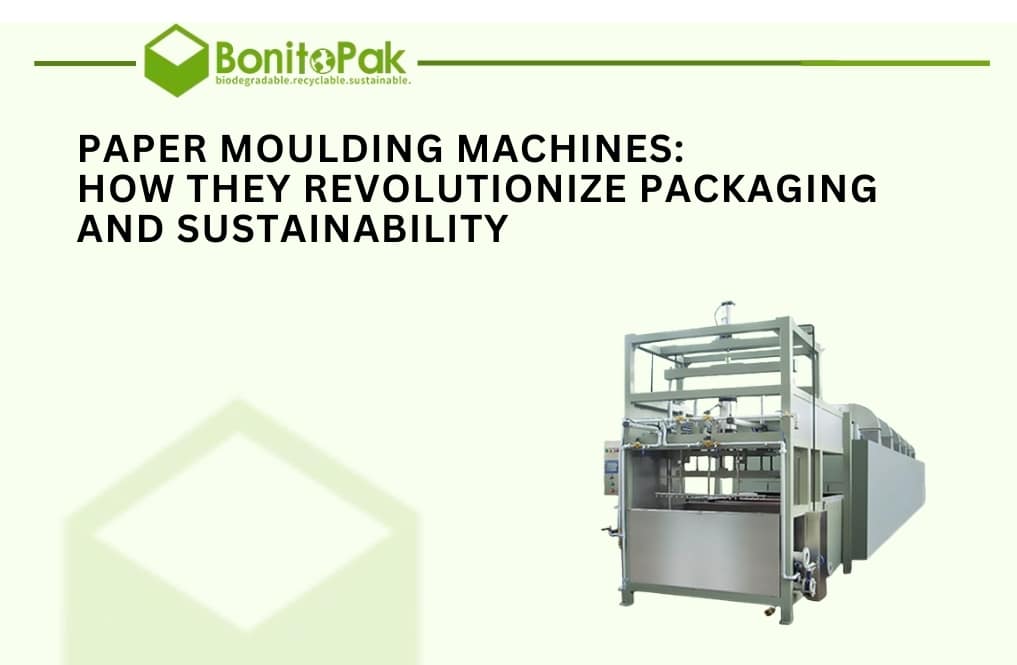
Section 1: What is a Paper Moulding Machine?
A paper moulding machine is specialized industrial equipment that transforms recycled paper pulp into molded fiber packaging products. These products offer a sustainable alternative to plastic and foam packaging across a variety of industries.
The process integrates water and shredded paper to form pulp, which is pressed into molds that shape the packaging. After pressing, the pieces are dried and finished.
Как это работает
The typical paper moulding process involves:
- Подготовка целлюлозы – Shredded or recycled paper is mixed with water to make a fiber slurry.
- Формирование – The slurry is vacuum‑pressed into molds.
- Сушка – Excess moisture is removed via heat or air drying.
- Отделка – Products are trimmed or coated as necessary for strength and usability.
This system can produce everything from trays and inserts to fully customized protective packaging.
Sustainability Angle
By using recycled paper, these machines drastically reduce plastic waste and resource use. Paper moulded products are biodegradable and easily recyclable — aligning perfectly with today’s environmental standards.
Section 2: Applications of Paper Moulding Machines
Paper moulding technology has grown far beyond simple egg trays. Today, the range of applications includes:
1. Food Packaging
Paper pulp packaging is becoming a game‑changer in food safety and sustainability. For example, naturally biodegradable trays and containers made from molded pulp offer a safe alternative to plastic. See how molded fiber is used for eco‑friendly food packaging here: Molded Fiber for Food Packaging – Bonitopak
2. Electronics Packaging
Fragile electronics require protective packaging that cushions without harming the environment. Paper moulding can be tailored to fit specific shapes and deliver secure protection. Learn more about biodegradable molded pulp trays used in electronics here: New Biodegradable Molded Pulp Tray for Electronics – Bonitopak
3. Customized Branding & Inserts
Brands increasingly use molded pulp for premium packaging inserts, branding, and product presentation — elevating customer experience while staying sustainable.
4. Industrial Protective Packaging
Heavy machinery parts and industrial components benefit from molded forms that offer shock protection without the waste of plastics and foams.
Section 3: Key Advantages of Using Paper Moulding Machines
Let’s break down why this technology is no longer just an eco‑trend — it’s a practical business solution.
1. Environmental Sustainability
- Made from recycled paper
- Полностью биоразлагаемый
- Reduces reliance on plastics
- Supports circular economy goals
This aligns with most corporate sustainability mandates and global regulations.
2. Cost Efficiency
Compared to traditional plastics and EPS foam:
- Raw materials are cheaper
- Production requires less energy
- Storage costs drop because pulp products compress easily
3. Customization & Design Flexibility
Every mold can be created for a specific product shape, meaning reduced movement during shipping and fewer product returns due to damage.
4. Operational Benefits
Paper moulding machines can:
- Produce high volumes
- Integrate into automated lines
- Reduce manual packaging labor
Section 4: Step‑by‑Step Guide to Using a Paper Moulding Machine
This walkthrough helps you visualize it as a practical solution, not just a concept.
Step 1: Machine Installation
- Choose a location with easy access to water, electricity, and drainage.
- Follow manufacturer instructions for setup.
Step 2: Mold Selection
- Decide the shape and size needed based on product dimensions.
- Molds are often metal or silicone‑faced.
Step 3: Pulping
- Recycled paper is mixed with water in a pulper until it becomes a consistent slurry.
Step 4: Forming
- Pulp is deposited into the mold.
- A vacuum system removes excess water and shapes the fiber.
Step 5: Drying
- The molded piece is dried under controlled heat to retain strength.
- Depending on volume, drying may be automated.
Step 6: Final Touches
- Optional coatings or reinforcements can be added for water resistance or extra durability.
This step‑by‑step approach ensures product quality and consistent output.
Section 5: Troubleshooting Common Problems with Paper Moulding Machines
Even the best technology needs troubleshooting. Here’s what to expect:
Problem 1: Products Too Fragile
- Cause: Pulp too watery
- Решение: Adjust water ratio or drying time
Problem 2: Mold Not Filling Evenly
- Cause: Uneven vacuum pressure
- Решение: Check vacuum seals and clean filters
Problem 3: Excess Humidity After Drying
- Cause: Insufficient drying cycle
- Решение: Increase drying temperature or exposure time
Problem 4: Machine Jams or Clogging
- Cause: Pulp buildup in pipes
- Решение: Regular maintenance and cleaning schedule
This section saves you time and prevents costly production delays.
Section 6: Advanced Strategies for Optimizing Your Paper Moulding Machine
Once the basics are running smoothly, consider these advanced enhancements:
1. Automation Integration
Automate:
- Pulp loading
- Mold changing
- Drying conveyors
This boosts efficiency and reduces labor costs.
2. Experiment with Fiber Blends
Adding different recycled fibers can change:
- Прочность
- Flexibility
- Finish quality
Prototyping helps identify ideal compositions for different products.
3. Energy‑Saving Methods
Optimize drying systems using:
- Heat recovery systems
- Smart sensors
- Scheduled peak‑load management
4. Scaling Up Production
As demand increases, you can expand capacity by:
- Adding additional molds
- Upgrading to larger machines
- Integrating robotics
These strategies help you grow without bottlenecks.
FAQ SECTION
Q1: Can paper moulding machines replace all plastic packaging?
A: Not every application, but they cover a major range — especially trays, inserts, food packaging, and protective cushioning.
Q2: What types of paper are best?
A: Recycled paper with long fibers offers the best strength and finish.
Q3: Is specialized training required?
A: Basic operation is intuitive, but proper training ensures safety and efficiency.
Q4: How long does the process take per item?
A: Depending on drying and complexity, items can be ready within a few hours.
Q5: Are paper moulded products food safe?
A: Yes — when produced under food‑safe conditions. See food packaging applications here: Molded Fiber for Food Packaging – Bonitopak
CONCLUSION + CTA
Paper moulding machines are more than equipment — they are engines of transformation for sustainable packaging. They help you:
- Reduce environmental impact
- Increase efficiency
- Customize protective solutions
- Save costs long‑term
Whether you’re packaging food, electronics, or custom products, paper moulding machine technology offers a future‑forward solution.

 Russian
  English
  German
  Spanish
  French
  Japanese
  Portuguese
  Arabic