 تخطي إلى المحتوى
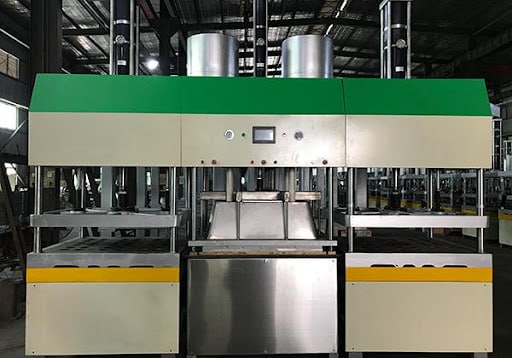
The global packaging industry is changing faster than it has in decades. Businesses that once depended entirely on plastic trays, foam inserts, and disposable packaging are now being pushed toward sustainable alternatives. One of the most practical and widely adopted solutions is molded fiber packaging, produced using recycled paper pulp. This is exactly why searches for the term small paper pulp molding machine have grown so rapidly.
If you are researching this type of equipment, chances are you are not simply curious about the technology. You are probably trying to understand whether a small-scale pulp molding machine is the right investment for your business, what kind of products it can realistically produce, how the production process works, and what hidden factors determine profitability.
This guide is written to answer those questions in depth, not with generic surface-level explanations, but with practical, experience-driven insight that helps you make confident decisions.
What Is a Small Paper Pulp Molding Machine?
A small paper pulp molding machine is a compact industrial system designed to manufacture molded fiber products using waste paper or other cellulose-based raw materials. Unlike large automated pulp molding plants that require massive investment and factory space, small machines are built for startups, medium-scale manufacturers, and businesses entering eco-friendly packaging production for the first time.
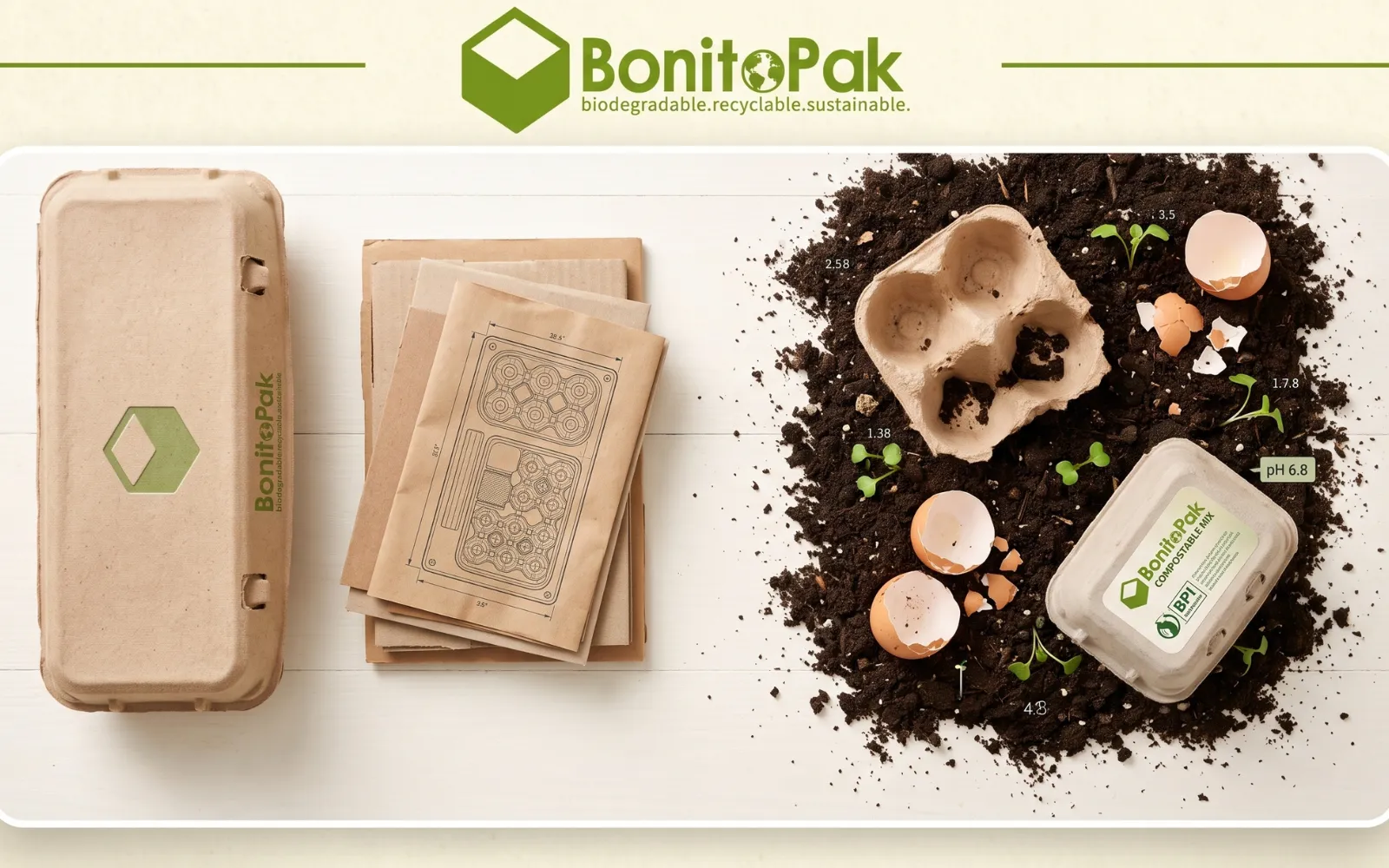
The primary purpose of these machines is to transform recycled paper pulp into strong, biodegradable molded shapes such as egg trays, fruit trays, cup holders, protective packaging inserts, and even disposable tableware in more advanced configurations.
What makes these machines particularly attractive is their ability to create packaging that is both environmentally responsible and commercially viable. Since the raw material is usually low-cost waste paper, the business model can become profitable relatively quickly, especially in markets where plastic bans and sustainability requirements are accelerating demand.
Why Demand for Small Pulp Molding Machines Is Increasing Worldwide
The rise of molded fiber packaging is not a trend driven by marketing alone. It is the result of structural changes happening across multiple industries.
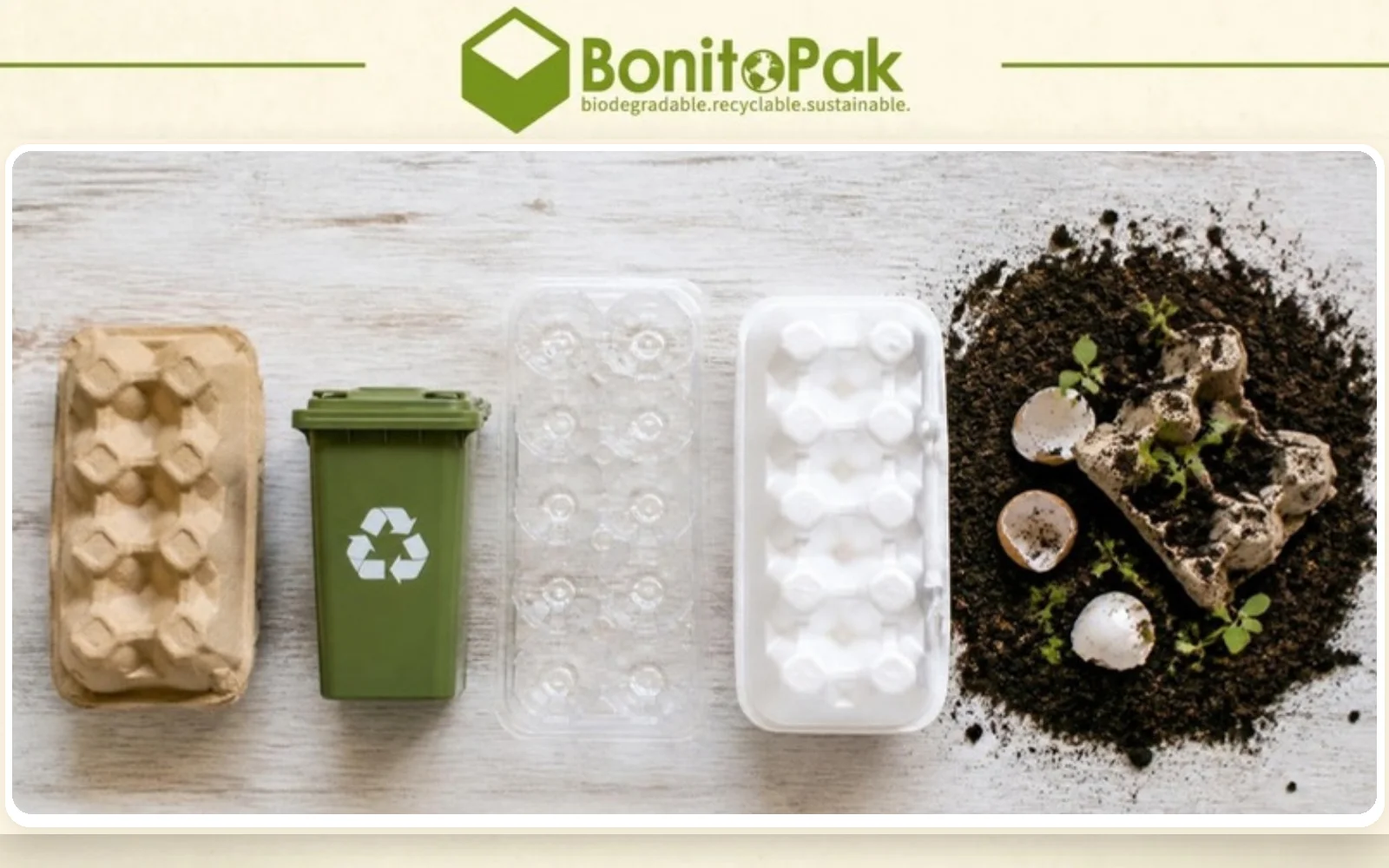
Governments in many regions are actively restricting single-use plastics. Large brands are committing to sustainable packaging targets. Consumers are increasingly choosing eco-friendly products, and companies are under pressure to reduce their environmental footprint.
This shift creates an enormous opportunity for manufacturers who can supply biodegradable alternatives locally. A small paper pulp molding machine allows businesses to enter this growing market without the heavy financial burden of a full-scale automated production line.
In my experience observing packaging manufacturers, the strongest advantage of small pulp molding setups is flexibility. Instead of competing with massive industrial exporters, smaller factories can serve regional agricultural suppliers, electronics companies, cosmetic brands, and food businesses that need molded packaging in moderate volumes with customized designs.
How a Small Paper Pulp Molding Machine Works in Real Production
To truly understand the value of a pulp molding machine, it is important to understand how the process works step by step. Many first-time buyers assume the machine simply “forms trays,” but the reality is that pulp molding is a complete production system involving several critical stages.
The process begins with pulp preparation. Waste paper, cardboard, or other recycled fiber materials are mixed with water inside a pulping unit until they form a consistent slurry. The quality of this slurry is extremely important because it directly affects product strength, surface texture, and molding consistency. If the pulp is too thick, the machine can clog and produce uneven shapes. If it is too thin, the final product becomes weak and fragile.
Once the pulp is prepared, the molding stage begins. The slurry is transferred to forming molds, where vacuum suction pulls the fiber onto the mold surface. This is the moment when the product takes shape. Whether you are producing egg trays, cup carriers, or custom packaging inserts, the mold determines the product design and accuracy.
After forming, the product is still wet and delicate. It must be transferred carefully to the drying stage. This is where many small manufacturers encounter unexpected challenges, because drying is not just a final step—it is often the biggest factor controlling production speed, energy costs, and product quality.
Drying can be done naturally under sunlight in very small setups, but commercial operations typically require heated drying ovens or drying chambers. Without proper drying, molded products can warp, crack, or lose structural integrity.
Some manufacturers also add a hot-pressing stage, especially when producing premium packaging or disposable tableware. Hot pressing improves smoothness, strength, and appearance, allowing molded fiber products to compete with plastic packaging in both performance and presentation.
What Products Can You Manufacture with a Small Paper Pulp Molding Machine?
One of the most common questions buyers ask is what kind of products a small pulp molding machine can realistically produce.
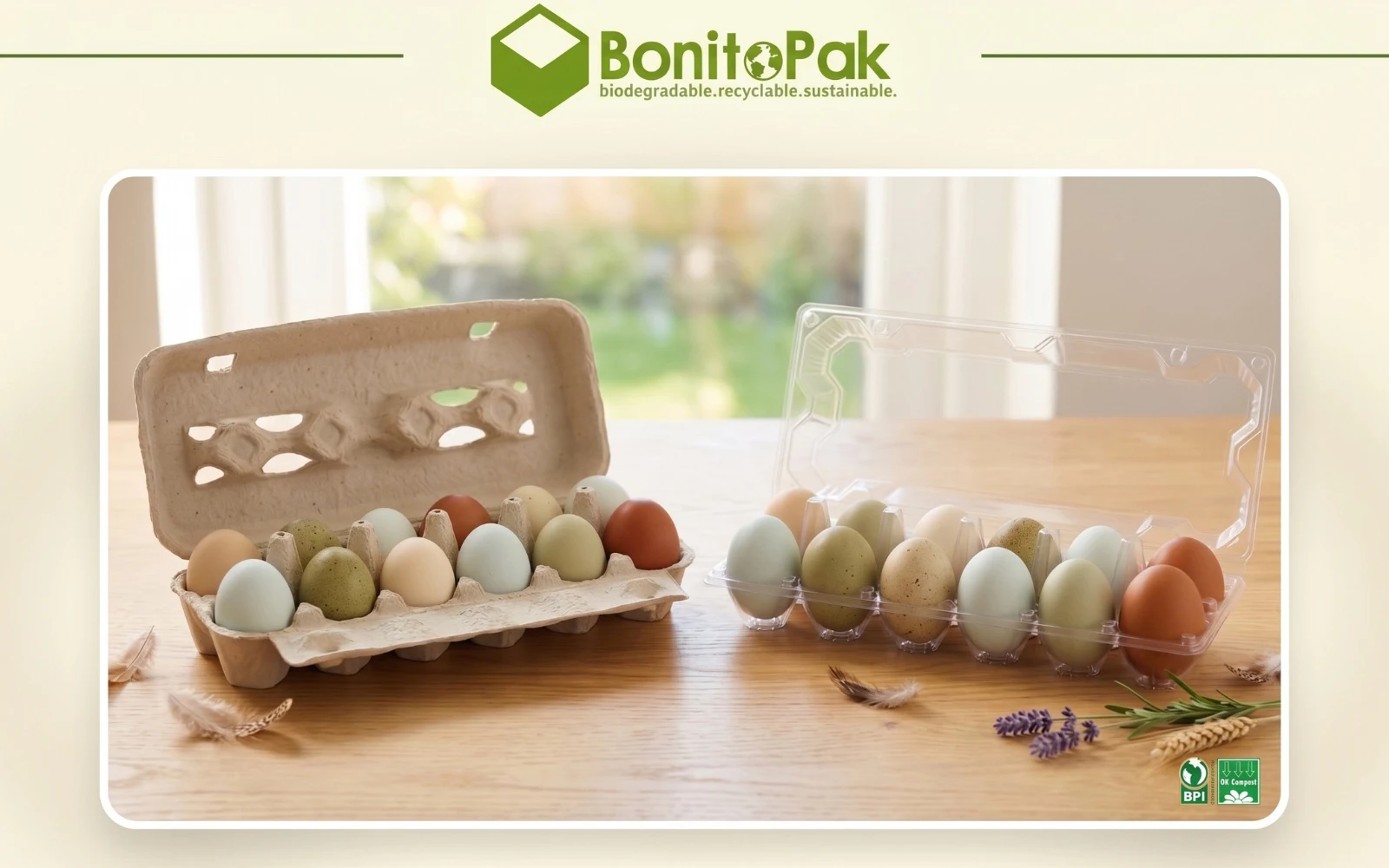
The most widely produced items are egg trays and fruit trays, because they are simple in design, high in demand, and easy to sell in agricultural markets. Cup holders and drink carriers are also popular, especially in regions where takeaway beverage consumption is growing.
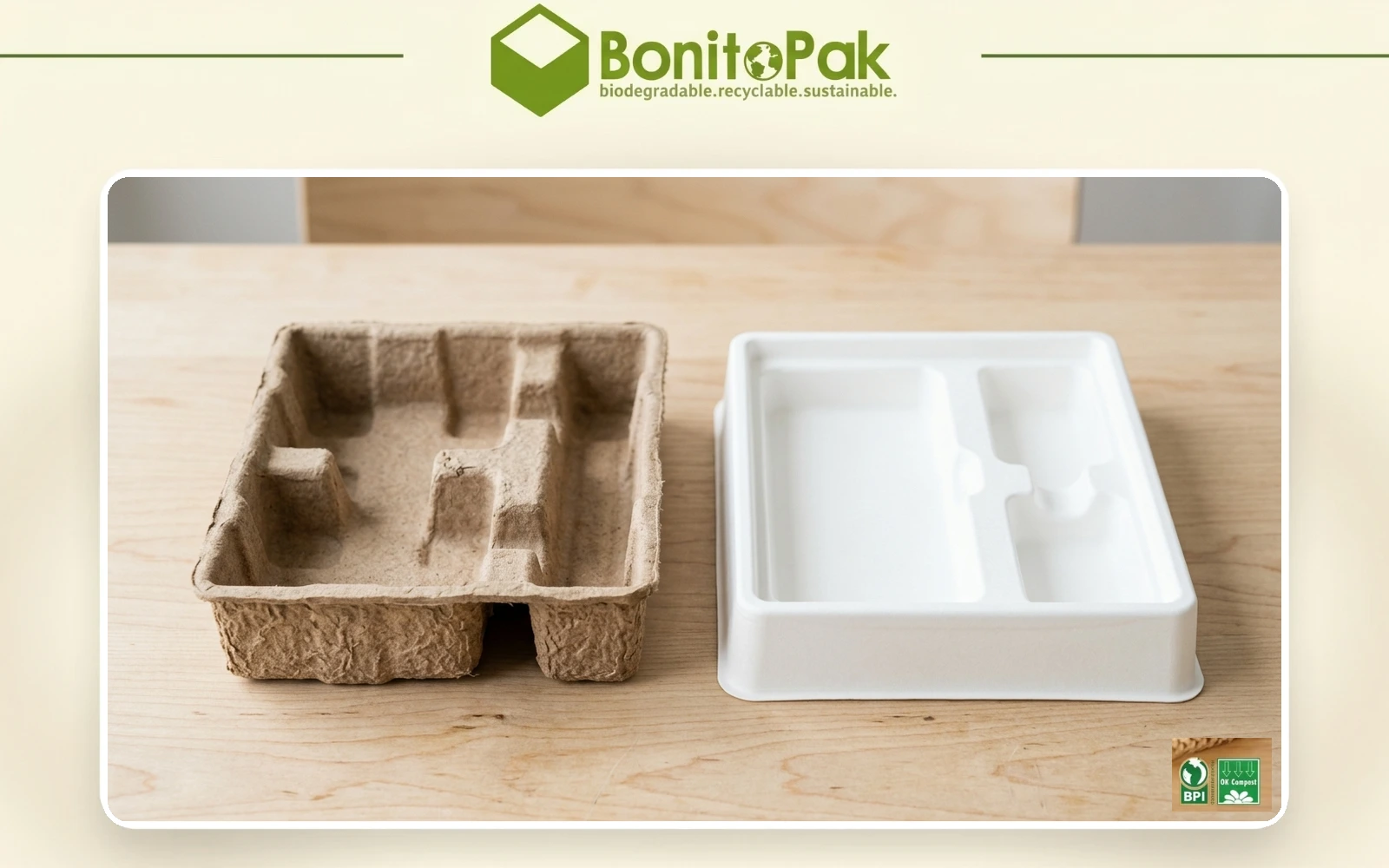
Beyond these standard products, small pulp molding machines are increasingly being used for protective packaging inserts. Electronics manufacturers, cosmetic brands, and glass product suppliers often require custom molded cushioning to replace foam and plastic.
With additional equipment such as hot presses and improved molds, small machines can also produce disposable molded fiber tableware such as plates, bowls, and clamshell food containers. However, these products require higher finishing standards and more precise drying control.
The key takeaway is that small pulp molding machines offer product flexibility, but profitability depends heavily on choosing the right product category for your market.
Capacity and Machine Type Comparison
Different small paper pulp molding machines vary significantly in output, automation level, and investment requirements. Below is a practical comparison:
| نوع الماكينة | Output Capacity (Pieces/Hour) | Best For | مستوى الاستثمار | Drying Requirement |
|---|---|---|---|---|
| Manual Small Machine | 200–500 | Very small production, testing market | منخفضة | Sun drying |
| Semi-Automatic Machine | 800–2000 | Local commercial packaging supply | متوسط | Oven or chamber drying |
| Fully Automatic Small Line | 3000–6000 | Export-level production, high demand | أعلى | Integrated drying system |
One important industry insight is that many buyers focus only on molding speed, but in reality, drying capacity is often the true production bottleneck. A machine may form thousands of trays per hour, but without sufficient drying infrastructure, output cannot reach its theoretical maximum.
Key Factors to Consider Before Buying a Small Pulp Molding Machine
Buying a pulp molding machine is not just purchasing equipment—it is investing in an entire production workflow. That is why careful evaluation is essential.
Factory space is one of the first constraints. Even small machines require room for pulp preparation, molding, drying, stacking, trimming, and storage. Many first-time investors underestimate how much space drying alone can consume.
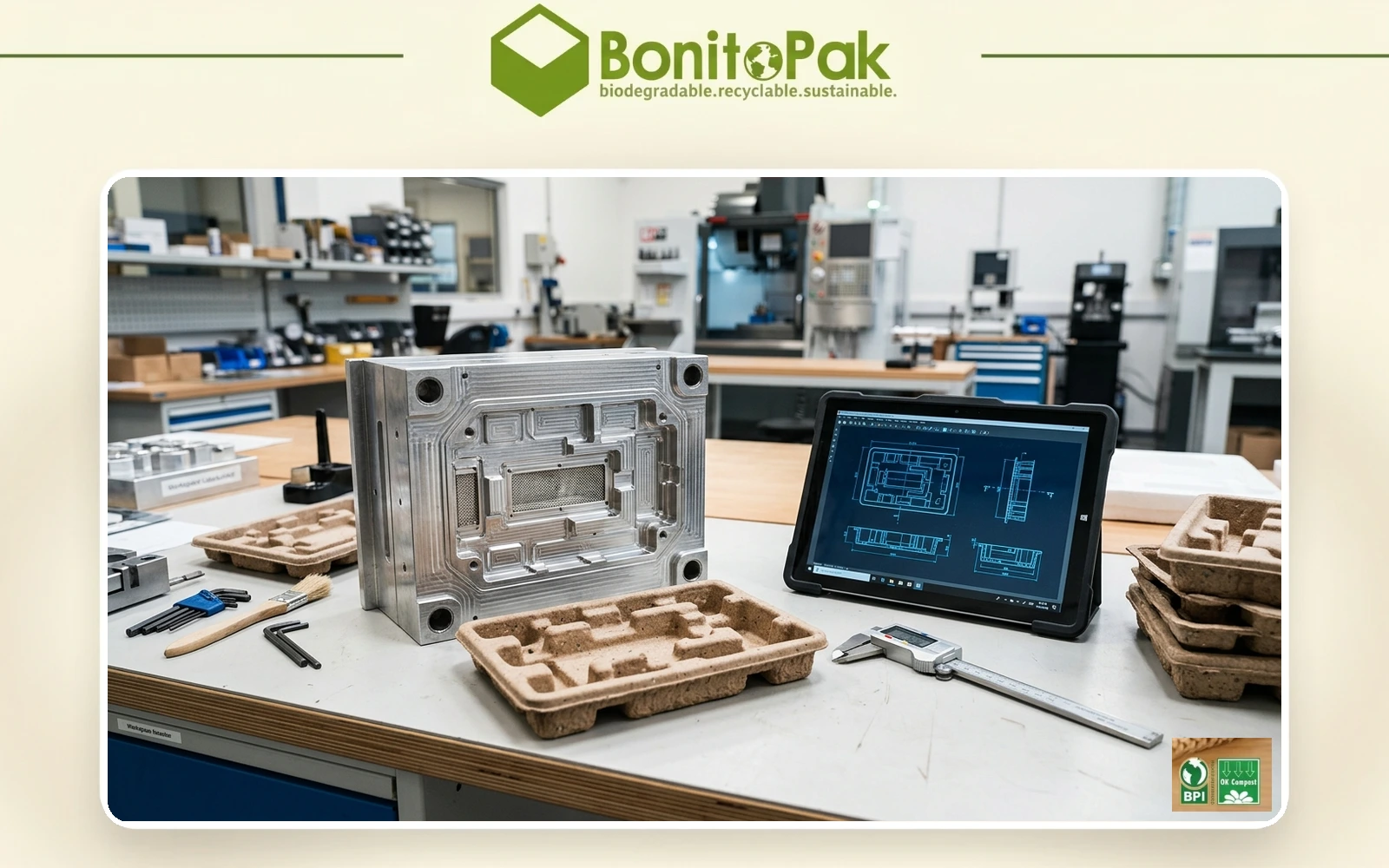
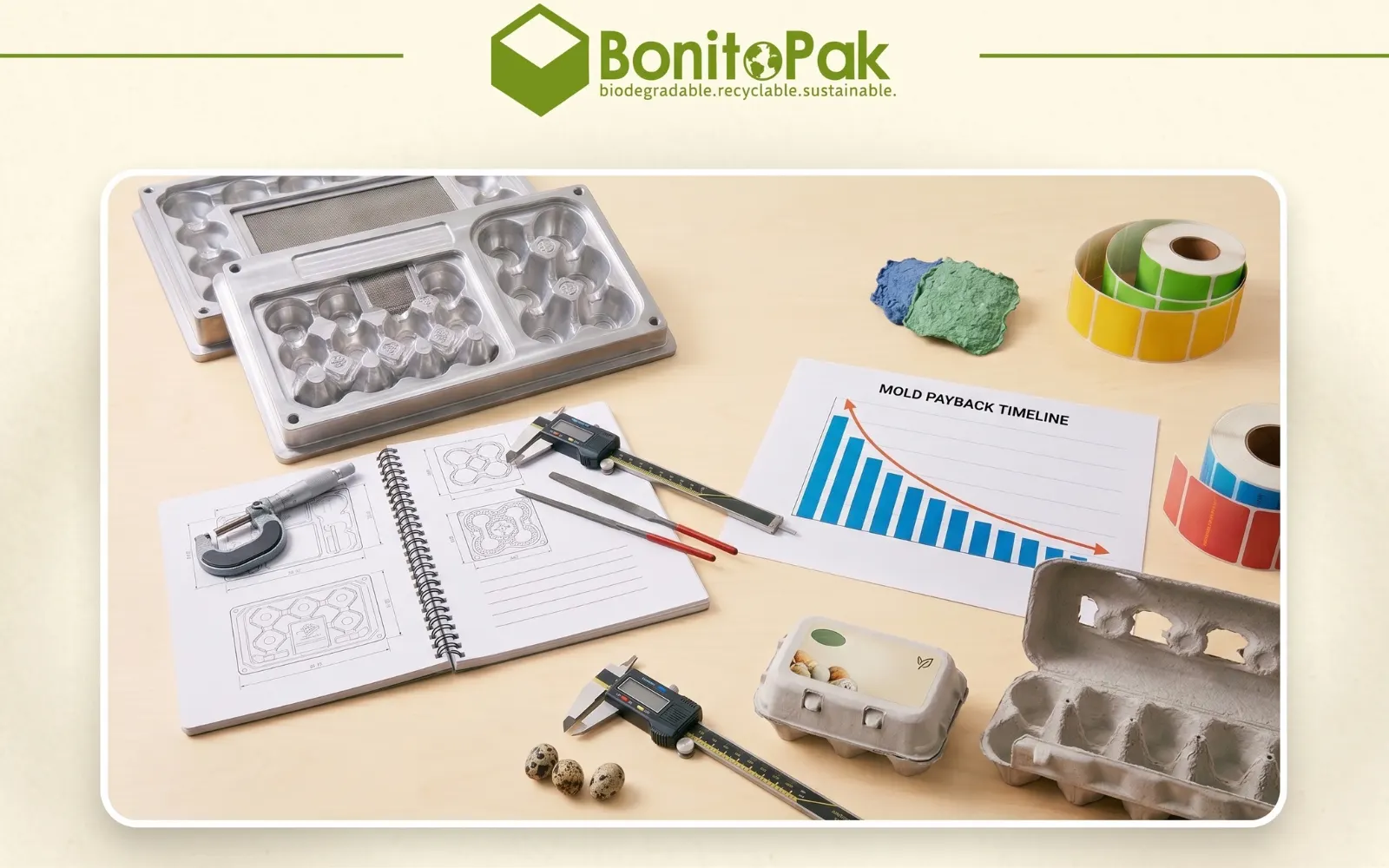
Molds are another major factor. The mold is essentially the heart of the product. Custom molds determine not only shape but also efficiency and durability. Cheap molds wear out quickly and reduce product consistency, which directly impacts customer satisfaction.
Utilities also matter. Pulp molding requires stable electricity, significant water usage, and often water recycling systems. Energy costs, especially for drying, can become the largest operational expense if not optimized.
Perhaps most importantly, market demand must be validated before investment. The most successful small pulp molding businesses begin with confirmed buyers such as egg farms, fruit distributors, or packaging contract customers. Buying a machine first and searching for customers later is one of the most common mistakes.
Common Mistakes First-Time Buyers Make
A major mistake is ignoring drying costs and complexity. Drying is not optional, and inefficient drying can destroy profitability.
Another frequent mistake is choosing the cheapest supplier without evaluating long-term maintenance, mold quality, spare parts availability, and after-sales support. In industrial manufacturing, machine downtime is often far more expensive than the initial purchase price difference.
Many beginners also overestimate how quickly production becomes stable. Realistically, it takes several weeks of testing pulp consistency, mold adjustments, drying optimization, and operator training before product quality becomes consistent.
Advanced Growth Strategies for Small Manufacturers
Once a small pulp molding operation becomes stable, scaling profitably is often about moving into higher-value products rather than simply increasing volume.
Custom protective packaging inserts for electronics, cosmetics, or premium goods can generate significantly higher margins than commodity egg trays.
Upgrading drying systems is another powerful scaling lever, because drying efficiency determines real output capacity.
Finally, building local supply contracts with nearby industries can reduce logistics costs and create long-term stable demand, which is often more valuable than competing in global price wars.
FAQ: Small Paper Pulp Molding Machine
How much does a small paper pulp molding machine cost?
Pricing varies widely depending on automation, mold complexity, and drying system. Buyers should budget not only for the machine but also for molds, drying equipment, and installation.
Can a small machine produce disposable plates and bowls?
Yes, but it usually requires hot pressing, higher-quality molds, and more precise drying control.
Is pulp molding profitable for small businesses?
Yes, especially when raw material is low-cost, demand is confirmed, and drying efficiency is optimized.
What raw materials are used?
Most systems use recycled paper, cardboard waste, and sometimes agricultural fibers such as bagasse.
Conclusion: Is a Small Paper Pulp Molding Machine the Right Choice?
A small paper pulp molding machine is one of the most accessible entry points into sustainable packaging manufacturing today. It allows businesses to produce biodegradable molded fiber products at moderate scale while meeting the growing global demand for plastic-free alternatives.
However, success depends on more than the machine itself. Drying systems, mold quality, market demand, factory setup, and operational planning are equally important.
If you approach the investment strategically, start with the right product, and focus on efficiency and quality, small-scale pulp molding can become a highly profitable and future-proof manufacturing business.

 Arabic
  English
  German
  Spanish
  French
  Russian
  Japanese
  Portuguese