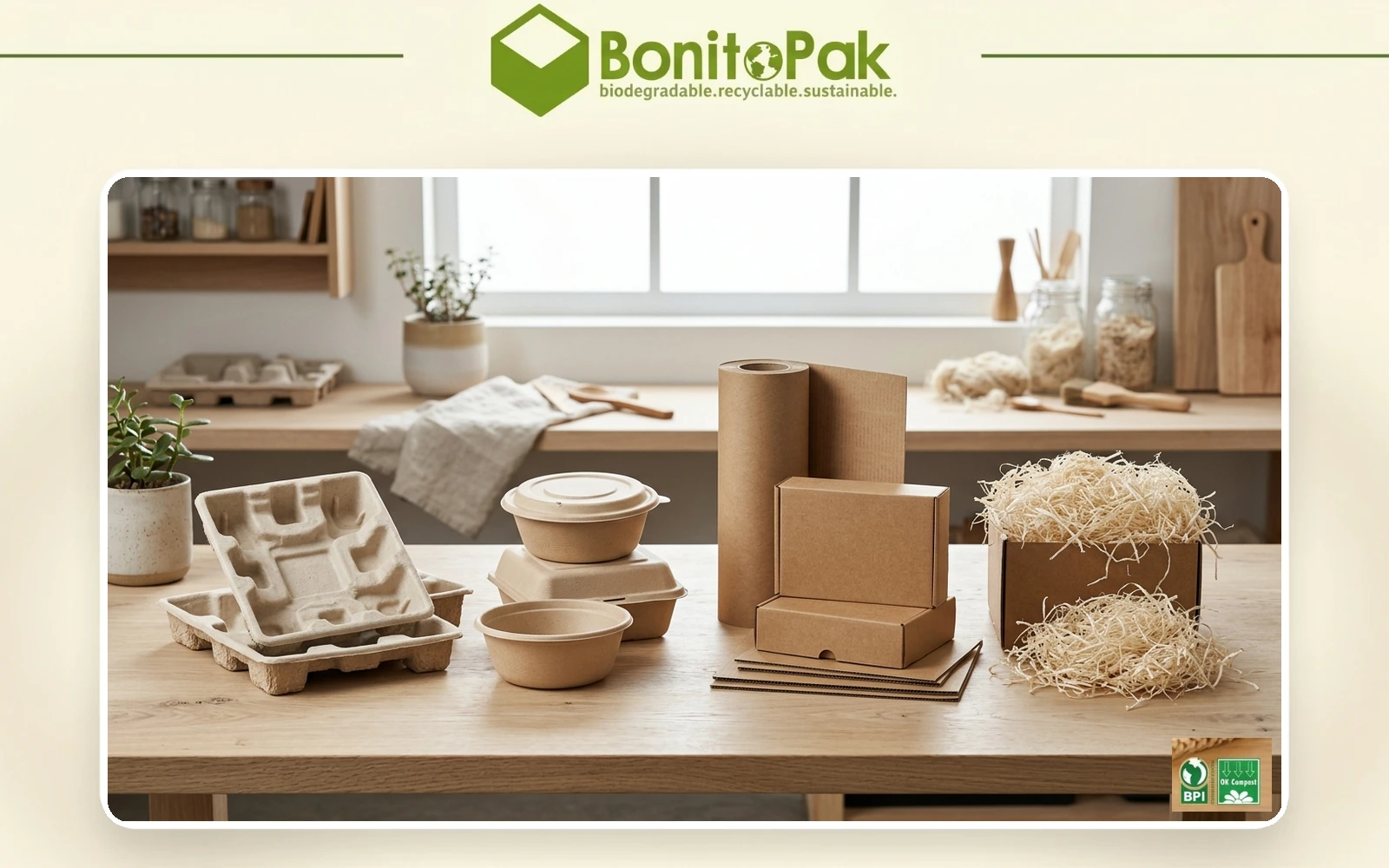

إن ماكينة صنع لب الورق industry has revolutionized sustainable packaging production worldwide. According to the Pulp & Paper Manufacturing Association, over 68% of manufacturers now employ advanced pulping equipment for eco-friendly packaging solutions¹. This transition represents a significant shift toward environmental responsibility in the paper and pulp industry.
Modern paper pulp machines process various raw materials including waste paper, wood pulp, and agricultural residues. The paper industry increasingly depends on these systems to meet growing demand for biodegradable packaging alternatives.
فهم تكنولوجيا ماكينات صناعة لب الورق
A paper pulp making machine transforms recycled materials into moldable pulp through mechanical and chemical processes. The equipment manufacturer designs these systems to manage diverse raw materials efficiently.
المكونات الأساسية في الأنظمة الحديثة
Pulp Digester: The digester breaks down raw materials using steam and chemicals. This pressure vessel operates at high temperatures to separate fibers effectively.
Paper Pulper: The paper pulper mechanically breaks apart waste paper and other materials. High-speed rotation creates the necessary agitation for proper fiber separation.
Stock Preparation System: This system cleans and prepares pulp slurry for the papermaking process. Multiple stages remove impurities and achieve consistent fiber quality.
Refiner Equipment: Refiners enhance fiber properties through controlled mechanical treatment. The refining process improves bonding characteristics in final products.
المواد الخام المستخدمة في إنتاج لب الورق
خيارات المواد الأولية الأولية
Wood Pulp: Softwood and hardwood species provide primary fiber sources. The kraft process remains the leading method for wood pulp making operations.
Waste Paper Pulp: Recycled newspapers, cardboard, and office paper form major raw material streams. Deinking processes remove printed materials during recycling.
Agricultural Residues: Sugarcane bagasse, wheat straw, and jute fibers offer sustainable alternatives. These materials reduce dependence on forest resources significantly.
| نوع المادة الخام | طول الألياف (مم) | طريقة المعالجة | العائد النموذجي (%) |
|---|---|---|---|
| لب الخشب اللين | 2.7-4.6 | طبخ كرافت | 45-50 |
| نفايات الورق | متغير | التعويم إزالة التعويم | 75-85 |
| تفل قصب السكر | 1.7-2.0 | لب الصودا | 40-45 |
| ألياف الخيزران | 2.5-3.2 | اللب الكيميائي | 42-48 |
عملية خط إنتاج لب الورق الكاملة
المرحلة الأولى: تحضير المواد الخام
The paper pulp making machine begins with raw material sorting and cleaning. Automated systems remove contaminants like metals, plastics, and adhesives. Specialized machinery breaks materials into uniform sizes for consistent processing.
المرحلة الثانية: طهي اللب وهضمه
يقوم جهاز هضم اللب بطهي المواد الخام عند درجة حرارة 150-170 درجة مئوية تحت الضغط. تعمل المحاليل الكيميائية على إذابة اللجنين مع الحفاظ على ألياف السليلوز. يستقبل خزان النفخ المواد المطبوخة لتخفيف الضغط والتبريد.
المرحلة الثالثة: التنظيف والفحص
تزيل مراحل التنظيف المتعددة الشوائب المتبقية من ملاط اللب. تفصل أجهزة التنظيف بالطرد المركزي الملوثات الثقيلة من خلال اختلافات الكثافة. تعمل المرشحات القرصية وغسالات الأسطوانة المفرغة على زيادة تنقية مخزون اللب.
المرحلة الرابعة: عمليات التبييض
يقوم مصنع التبييض بتبييض اللب باستخدام مواد كيميائية آمنة بيئياً. تستخدم الأنظمة الحديثة الأكسجين والأوزون وبيروكسيد الهيدروجين بدلاً من مركبات الكلور. تنتج هذه العملية درجات عالية الجودة من اللب غير المبيض أو المبيض.
تقنيات معدات اللب المتقدمة
أنظمة المعالجة عالية الكفاءة
Modern paper pulp making machines incorporate automation for optimal performance. Computer-controlled systems monitor temperature, pressure, and chemical addition rates continuously.
Twin Roll Press: These machines remove excess water from wet lap pulp. High-pressure nips achieve moisture content below 50% efficiently.
Heat Transfer Systems: Advanced heat recovery reduces energy consumption by 30-40%. Steam recovery systems capture waste heat for reuse throughout the production line.
Flow Box Technology: Precision flow boxes distribute pulp slurry evenly across forming wires. This technology ensures uniform basis weight in finished products.
التطبيقات المتخصصة في صناعة الورق
إنتاج ورق التغليف والتعبئة والتغليف
The paper pulp making machine produces various packaging grades including corrugated medium and linerboard. These products require specific strength characteristics for shipping applications.
High-Speed Production: Modern paper machines operate at speeds exceeding 2,000 meters per minute. Advanced stock preparation ensures consistent quality at these production rates.
Special Paper Grades: Custom formulations create packaging materials with enhanced barrier properties. Food-grade coatings provide moisture and grease resistance.
تطبيقات المعالجة الصناعية
Turnkey Solutions: Complete paper pulp production systems include all necessary equipment and controls. Equipment manufacturers provide comprehensive installation and commissioning services.
Low Density Products: Specialized forming techniques create lightweight packaging materials. These products reduce shipping costs while maintaining protective properties.
| الطاقة الإنتاجية | الإنتاج اليومي (بالأطنان) | استهلاك الطاقة (ميجاوات ساعة/طن) | استخدام المياه (متر مكعب/طن) |
|---|---|---|---|
| المصنع الصغير الحجم | 50-150 | 12-15 | 15-25 |
| منشأة متوسطة | 150-500 | 8-12 | 10-18 |
| مطحنة كبيرة | 500-1500 | 6-9 | 8-15 |
| مصنع الورق الرائد | 1500+ | 4-7 | 6-12 |
مراقبة الجودة في معالجة لب الورق
Most paper pulp making machine operations rely on continuous monitoring. Mill laboratories check lignin levels during cooking because these affect final product strength. Brightness measurements determine bleaching needs, while viscosity testing ensures proper fiber development.
يحدث الاختبار البدني على خطوط الإنتاج. يتم قياس قوة التمزق ومقاومة الانفجار كل بضع دقائق. تؤثر جودة التشكيل على تساوي الطباعة، لذا يراقب المشغلون هذه القراءات عن كثب.
إدارة المياه مهمة لأسباب بيئية واقتصادية. تقوم المطاحن بإعادة تدوير المياه البيضاء عدة مرات قبل معالجتها. تزيل أنظمة الترشيح الجسيمات والمواد الكيميائية التي قد تصبح نفايات.
الأثر البيئي والاستدامة
The paper pulp making machine industry has decreased its environmental footprint dramatically. Most kraft mills recover over 95% of cooking chemicals through black liquor systems. This process also generates steam energy for operations.
انخفضت الانبعاثات بشكل ملحوظ على مدى عقدين من الزمن. وانخفضت مستويات ثاني أكسيد الكبريت بأكثر من ٨٠١ تيرابايت ٣ تيرابايت في معظم المرافق. تعمل أجهزة تنقية الغاز المداخن على إزالة الجسيمات قبل إطلاقها.
انخفض استخدام المياه بشكل كبير. وتستخدم العديد من المطاحن 60-70% مياه عذبة أقل من مرافق التسعينيات. تتعامل أنظمة المعالجة البيولوجية مع مياه الصرف الصحي قبل تصريفها. تظهر بيانات وكالة حماية البيئة أن مصانع اللب الحديثة تولد نفايات صلبة أقل بكثير لكل طن².
الفوائد الاقتصادية وتحليل السوق
Modern paper pulp making machine technology requires substantial capital. Complete production lines cost $50-500 million depending on capacity. Mills recover investments within 15-20 years through operational savings.
Energy costs represent major expenses in إنتاج اللب. Newer equipment captures waste heat and optimizes steam usage. Many manufacturers report 25-35% energy savings after upgrades.
توفر القدرة على تغذية متعددة اللقيم مرونة تشغيلية. حيث تقوم المطاحن بالتبديل بين رقائق الخشب والورق المعاد تدويره والمخلفات الزراعية بناءً على الأسعار. هذه القدرة على التكيف تحافظ على الربحية أثناء تقلبات السوق.
ينمو قطاع الورق ولب الورق العالمي على الرغم من الاتجاهات الرقمية. تشير توقعات الصناعة إلى نمو سنوي قدره 3.21 تيرابايت 3 تيرابايت 3 طن سنويًا حتى عام 2028³. تُظهر الأسواق الآسيوية زيادات سنوية تبلغ 5.81 تيرابايت 3 تيرابايت³ سنويًا في بعض المناطق.
المواصفات الفنية ومعايير الأداء
Industrial paper pulp making machine systems handle impressive volumes. Large installations process 200-2,000 tons daily while maintaining quality. Continuous operation requires careful maintenance and process control.
يظل استرداد المواد الكيميائية أمرًا بالغ الأهمية لمصانع الكرافت. تستعيد أفضل المرافق 95-981 تيرابايت في الثالثة من مواد الطهي الكيميائية. وهذا يؤثر على تكاليف التشغيل والامتثال البيئي بشكل مباشر.
تحسنت استعادة الألياف من نفايات الورق باستخدام معدات أفضل. تستعيد أنظمة إزالة التشويش الحديثة 92-96% من الألياف القابلة للاستخدام مع إزالة الملوثات.
حوَّلت أتمتة العمليات عمليات المطحنة. تراقب أجهزة الاستشعار درجة الحرارة والضغط والمواد الكيميائية باستمرار. تضبط أدوات التحكم الآلي بشكل أسرع من المشغلين البشريين.
تتم مراقبة الجودة طوال فترة الإنتاج. تقيس الماسحات الضوئية المضمنة الوزن الأساسي والرطوبة والقوة كل بضع ثوانٍ. ترصد المراقبة الإحصائية الاتجاهات قبل ظهور المشاكل.
الابتكارات المستقبلية في تكنولوجيا لب الورق
تطبيقات التكنولوجيا الحيوية تغير كيمياء اللب. تقلل المعالجات الإنزيمية من المواد الكيميائية مع تحسين خصائص الألياف. تستخدم العديد من المطاحن هذه العمليات تجاريًا، على الرغم من أن التكاليف تحد من اعتمادها.
Nanocellulose represents exciting development for the paper pulp making machine industry. Standard pulp streams produce high-value materials through specialized processing. Applications include advanced packaging and composites.
يعمل الذكاء الاصطناعي والتعلم الآلي على تحسين عمليات المطحنة. تقوم هذه الأنظمة بتحليل بيانات العمليات للتنبؤ بتغيرات الجودة واحتياجات الصيانة. وتفيد الجهات التي تبنتها في وقت مبكر بتحسينات كبيرة في الكفاءة.
Equipment manufacturers collaborate with research institutions on next-generation technologies. Future paper pulp machines will achieve higher efficiencies while reducing environmental impacts.
الخاتمة
The paper pulp making machine serves as the backbone of sustainable packaging production. Modern equipment processes diverse raw materials efficiently while meeting environmental standards.
يعمل النجاح الاقتصادي والمسؤولية البيئية معًا في الصناعة اليوم. فالمصانع الأكثر ربحية غالبًا ما تتصدر مقاييس الاستدامة، مما يثبت أن الممارسات البيئية الجيدة منطقية من الناحية التجارية.
BonitoPak understands industry dynamics through years of paper pulp making machine experience. The company helps customers with equipment selection and process optimization for sustainability and profitability goals.
تبدو الفرص المستقبلية واعدة للمصنعين الذين يستثمرون في الأنظمة المتقدمة. ويضمن الطلب المتزايد على التعبئة والتغليف الصديق للبيئة عوائد قوية على الاستثمارات المخطط لها جيداً.
الأسئلة الشائعة
ما هي المواد الخام التي يمكن لماكينات تصنيع لب الورق الحديثة معالجتها بفعالية؟
Today’s paper pulp making machines work with everything from traditional wood chips to agricultural waste like sugarcane bagasse and wheat straw. Many mills prefer this flexibility because it lets them use whatever raw materials are cheapest and most available locally. Recycled paper and cardboard make up the largest volume at most facilities.
كم تستغرق عملية إنتاج لب الورق بالكامل؟
يختلف وقت الطهي الفعلي قليلاً حسب ما تقوم بمعالجته. قد يتم طهي رقائق الخشب الصلب لمدة 2-3 ساعات، بينما يستغرق الخشب اللين ما يقرب من 4 ساعات. أضف إلى ذلك التنظيف والتبييض إذا لزم الأمر والتجفيف، وستستغرق 6-8 ساعات من المواد الخام إلى اللب النهائي الجاهز لصناعة الورق.
ما هي الاختلافات الرئيسية بين طرق اللب الكيميائية والميكانيكية؟
تعمل عملية اللب الكيميائي على إذابة اللجنين الذي يربط ألياف الخشب معًا، مما يمنحك لبًا أقوى ولكن أقل إنتاجية. أما اللب الميكانيكي فيقوم فقط بطحن كل شيء مع الاحتفاظ بالمزيد من الخشب الأصلي ولكنه ينتج أليافًا أضعف. يعمل اللب الكيميائي بشكل أفضل لورق التغليف والطباعة، في حين أن اللب الميكانيكي جيد لورق الصحف ومنتجات المناديل الورقية.
كيف تزيل أنظمة إزالة التحميض المواد المطبوعة من نفايات الورق؟
هناك طريقتان رئيسيتان للتعامل مع إزالة الحبر من الورق المعاد تدويره. تقوم أنظمة التعويم بنفخ فقاعات الهواء عبر ملاط اللب - حيث تلتصق جزيئات الحبر بالفقاعات وتطفو على السطح حيث يتم التخلص منها. وتستخدم أنظمة الغسيل المنظفات والكثير من الماء لإذابة جزيئات الحبر وطردها من خلال الغربلة.
ما هي متطلبات صيانة ماكينات صناعة لب الورق الصناعي؟
تشمل المهام اليومية فحص نقاط التشحيم ومراقبة قراءات الضغط وتنظيف المكونات الرئيسية. تغطي الصيانة الأسبوعية فحص الأجزاء البالية وفحص المحاذاة. تسمح عمليات الإغلاق السنوية باستبدال المكونات الرئيسية وتحديثات نظام التحكم. تخصص معظم المطاحن ميزانية 5-8% من قيمة المعدات سنويًا لتكاليف الصيانة.
كيف تقلل المطاحن الحديثة من التأثير البيئي أثناء إنتاج اللب؟
Water recycling makes the biggest difference – most mills reuse their process water multiple times before treatment. Chemical recovery systems capture and reuse cooking chemicals while generating steam energy. Emission control equipment removes particulates and gases before discharge. The paper pulp making machine industry has cut water usage and emissions dramatically over the past 20 years.
المراجع والاستشهادات
Pulp & Paper Manufacturing Association. (2024). “Annual Industry Statistics and Trends Report.” PPMA Industry Analysis.
United States Environmental Protection Agency. (2024). “Pulp and Paper Manufacturing Point Source Category.” EPA.gov. Retrieved from https://www.epa.gov/eg/pulp-and-paper-manufacturing
Forest Products Industry Research Center. (2024). “Global Market Analysis and Projections.” Industry Research Report.
Technical Association of the Pulp & Paper Industry. (2024). “Best Practices for Sustainable Manufacturing.” TAPPI.org. Retrieved from https://www.tappi.org/sustainability
National Institute of Standards and Technology. (2024). “Material Testing Standards for Paper Products.” NIST.gov. Retrieved from https://www.nist.gov/manufacturing-engineering
International Organization for Standardization. (2024). “ISO 12625 Paper Testing Methods.” ISO.org. Retrieved from https://www.iso.org/standard/75507.html
United States Department of Agriculture. (2024). “Agricultural Residue Utilization in Manufacturing.” USDA.gov. Retrieved from https://www.usda.gov/topics/forestry/forest-products-manufacturing
Occupational Safety and Health Administration. (2024). “Safety Standards for Paper Manufacturing Operations.” OSHA.gov. Retrieved from https://www.osha.gov/pulp-paper